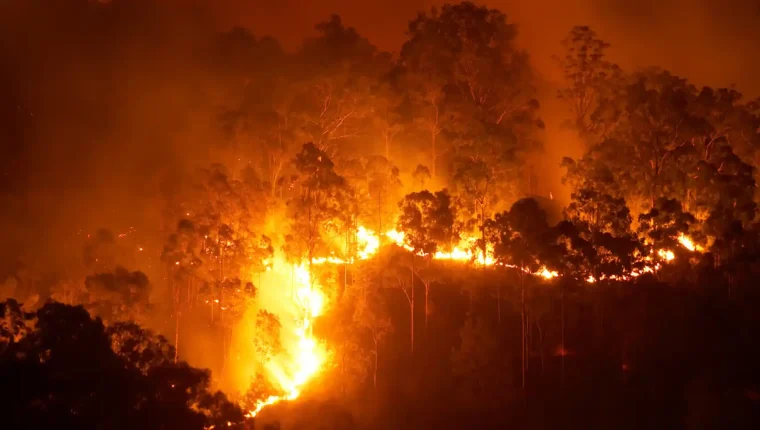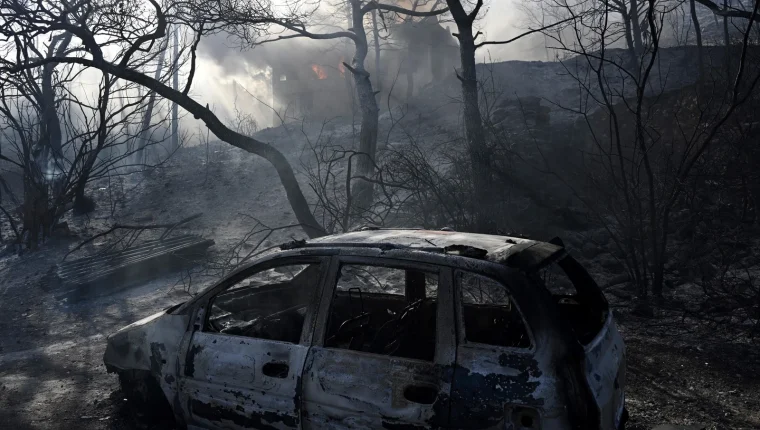

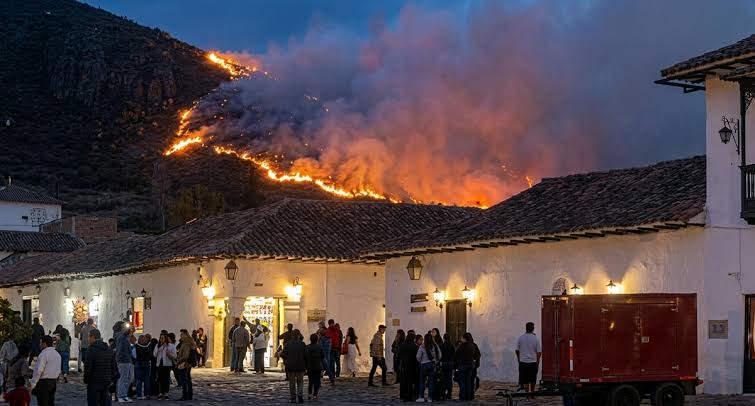
Authorities declared a public calamity in Villa de Leyva, one of Colombia’s best-known colonial destinations, as a wildfire spread through mountains around the Boyacá town. The fire began Saturday and, at AP’s reporting cutoff, had affected about 290 hectares of vegetation and was roughly 50% controlled.
Strong winds complicated operations and at times pushed flames toward populated areas. The town suspended in-person classes and conducted preventive evacuations, including hotels near the fire. The declaration enables extraordinary coordination, but does not mean danger has ended or the whole perimeter is contained.
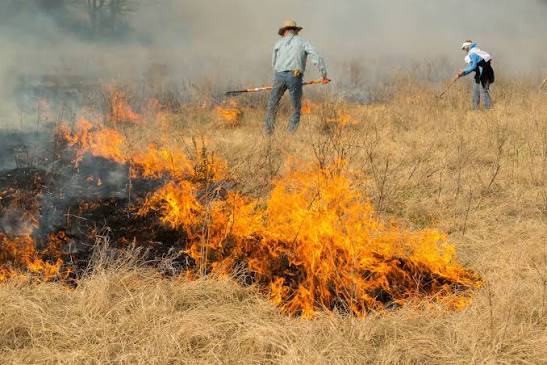
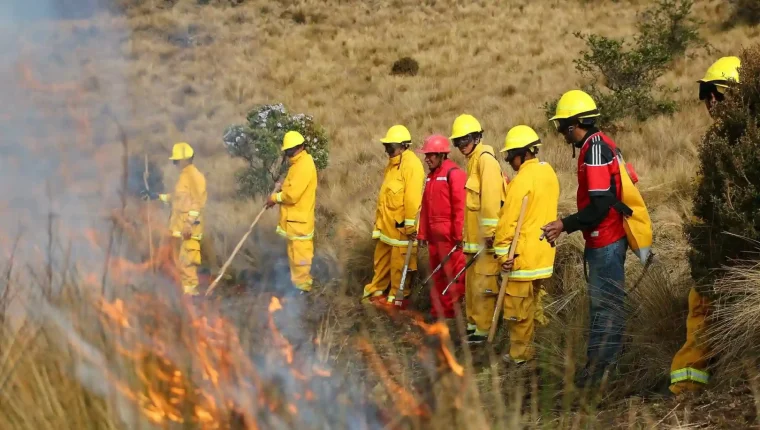
More than 400 firefighters, emergency workers, residents and volunteers joined the response. Four helicopters made about 170 drops on Sunday, releasing roughly 240,000 litres of water. Those figures describe the reported operation; final effectiveness depends on wind, terrain, available fuel and monitoring for flare-ups.
Environment Minister Fabio Arjona said preliminary disaster-agency information suggested the fire may have been deliberately started. The investigation remained open, so that possibility is not a confirmed cause and identifies no perpetrator. Preserving evidence and separating early suspicions from forensic conclusions is essential.
The event is part of a wider emergency. The national disaster agency was monitoring 27 wildfires: 19 remained active and eight were under control. Nine active fires were in Tolima. In addition, 279 municipalities had some level of fire warning and 36 were under the highest red alert.
Between June 16 and August 6, Colombia recorded 438 fires across 191 municipalities, affecting about 7,153 hectares, according to official figures. Dryness, heat and wind raise spread potential. El Niño can reduce rain and increase heat in some regions, but does not by itself establish the cause of each ignition.
The cutoff matters: 50% controlled is not extinguished, and contained fires can flare again. Immediate priorities are residents, crews and perimeter security. Later work must assess erosion, water, biodiversity and restoration. Prevention needs early warnings, burning controls, cause investigations and vegetation management before the highest-risk season from October to April.