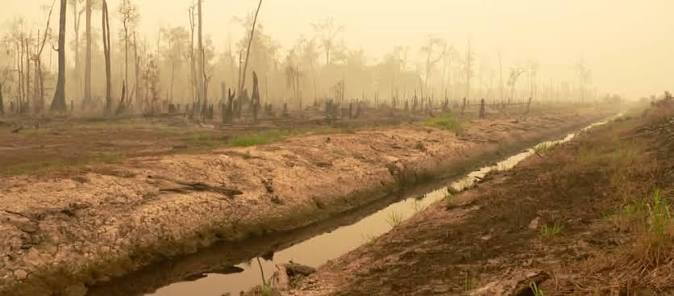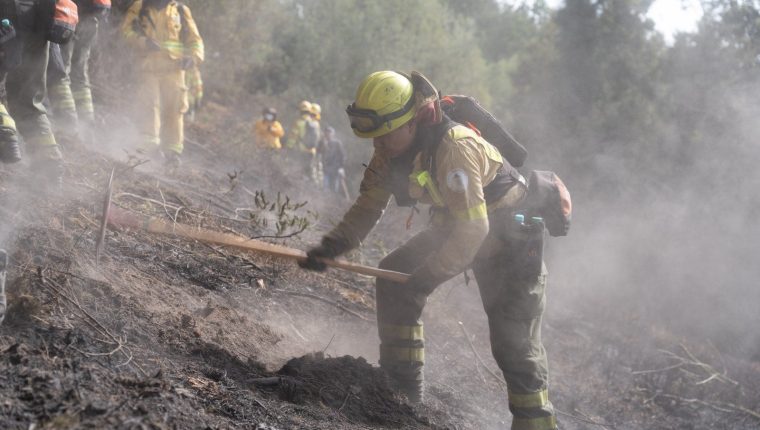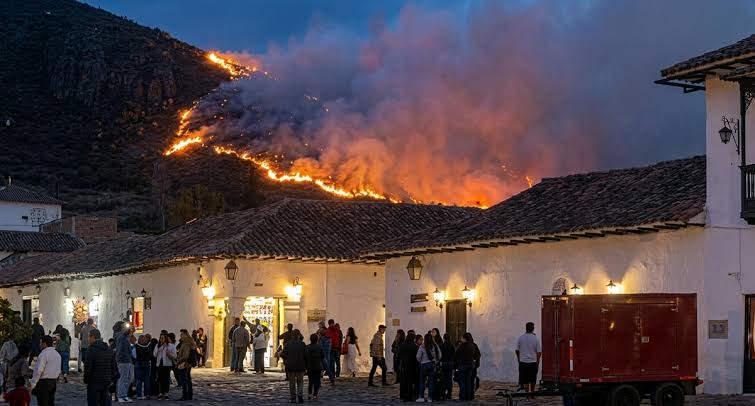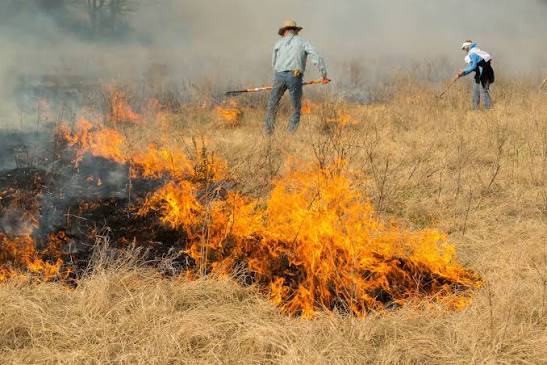

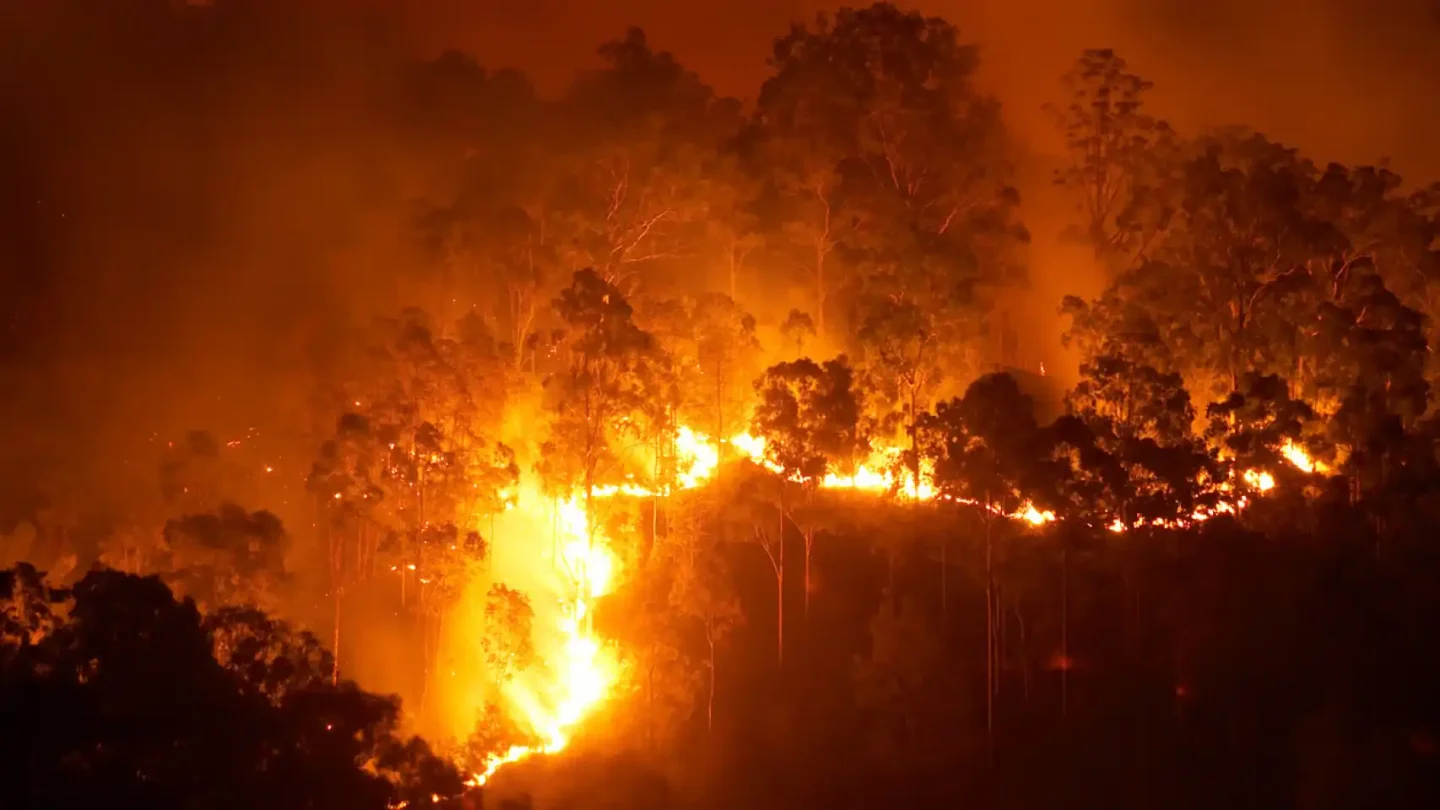
Colombia is experiencing an unusual dry and fire season marked by lower rainfall, high temperatures, winds and low soil moisture. The Humboldt Institute links these conditions to a high-severity El Niño episode that increases pre-existing vegetation stress. Climate allows fire to spread and intensify, but it does not identify the specific ignition source of each event.
The Institute’s analysis says 99 per cent of fire events in the country are related to human activities, including agricultural burning, unmanaged tourism, matches and cigarette butts. Dryness can turn negligence or a routine practice into a larger blaze. Climate forecasts, territorial prevention and behaviour controls must therefore work together.
Tolima accounts for about half of recorded fires and nearly 30,000 affected hectares, according to information examined by Humboldt. Tropical dry forest in the Magdalena-Cauca valleys is among the most exposed systems. More than 92 per cent of its original cover has already been lost, leaving fire to strike fragmented remnants and landscapes containing farms, livestock and homes.
Counting incidents alone cannot measure damage. Frequency shows recurrence, extent shows how much land burned and intensity helps explain changes to vegetation and soil. NASA satellite thermal data indicate that heat points rose sharply in July and August and doubled in some regions. These records detect anomalies but do not replace field verification of area and severity.
Impacts continue after flames are controlled. Loss of cover displaces wildlife and breaks connectivity between forest remnants. Intense fire can reduce soil infiltration and water retention, affecting rivers and water systems when rain returns. Open areas also favour invasive species such as leucaena in dry forest, gorse in high-altitude wetlands and other opportunistic plants.
Humboldt’s central message is to avoid automatic planting. Managers must first identify what burned, what survived, which remnants can provide seed and what pressures remain. In dry forest, excluding livestock and unmanaged tourism may allow resprouting, soil seed banks and natural dispersal. Passive restoration is preferable where recovery capacity remains.
Active restoration will be needed where fire destroyed remnants, degradation is severe or invasive plants block native return. It should combine environmental authorities, researchers, communities and local knowledge. Mapping previous cover, severity, connectivity, regeneration, water and invasive species will guide decisions and measure results. Urgency is no justification for one formula; sound restoration begins by understanding the burned territory.