
Electric vehicles, renewables, storage and grids are rapidly increasing demand for copper, lithium, nickel, cobalt, graphite, rare earths and silver. A Reuters Open Interest column argues that deployed transition infrastructure is becoming a material source itself. Spent batteries, panels, blades and electrical equipment form a growing industrial reserve.
Batteries have the most advanced loop. Redwood Materials says it recovers more than 95% of lithium, nickel, cobalt and copper and processes over 20 gigawatt-hours yearly, producing more than 60,000 tonnes of critical materials. These are company figures, not a measure of the global market.
The IEA estimates expanded recycling could meet 20-30% of global lithium, nickel and cobalt demand by 2050. European studies project about 15% of lithium, nickel and manganese and 25% of cobalt by 2030. Collection, design, rules, prices and refining will determine results.
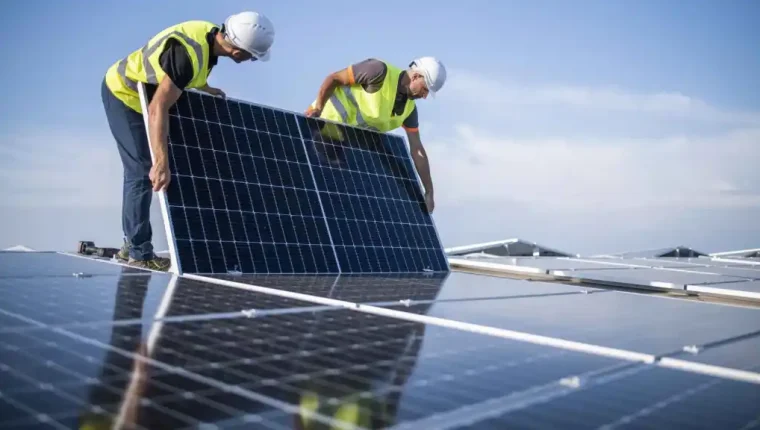
Solar panels create another stream. TNO demonstrated laser-assisted recovery with silicon up to 99.998% purity, silver at 99.7% and yields near 97%. Australian researchers achieved nearly complete silver recovery. Rystad says panels installed in 2020 could supply up to 21% of 2035 silver needs.
Composite wind blades remain difficult, but cement and construction uses are emerging. Veolia shreds fiberglass to displace coal, silica and limestone in kilns; REGEN Fiber makes reinforcement. One cited analysis says a seven-tonne blade can reduce coal use by five tonnes.
Retired transformers, substations and lines hold refined copper, aluminum and steel. Industrial programs return those metals to new grid components. The opportunity grows as modernization simultaneously removes old equipment and raises demand for new infrastructure.
Recycling will not automatically make the transition circular or eliminate mining; demand will outpace end-of-life equipment for years. Its value is diversified supply and reuse of extracted materials. Design for disassembly, material passports, take-back systems, recycled-content rules and clean processing energy are still needed.