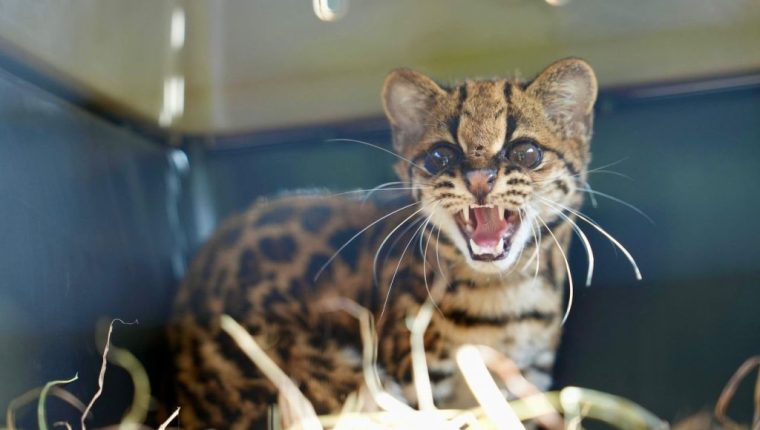

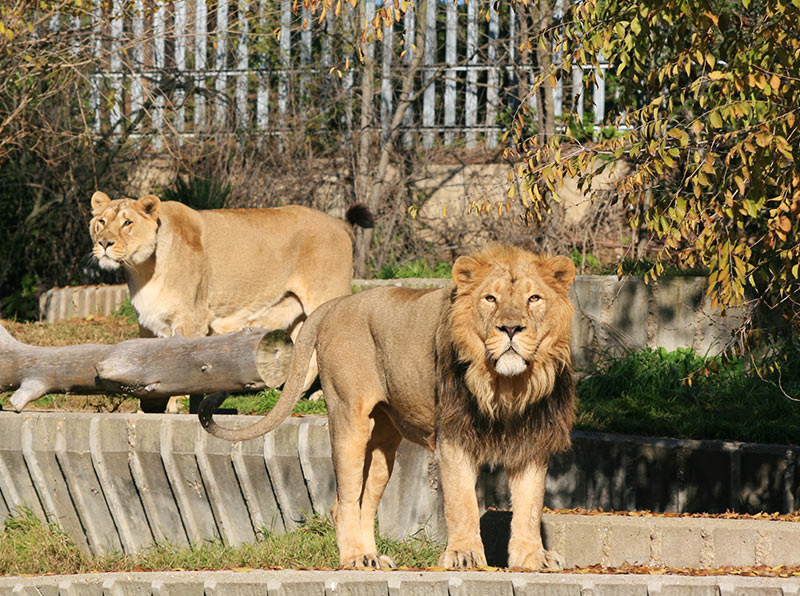
Thirty lions and tigers began leaving the former Luján zoo, about 70 kilometres northwest of Buenos Aires, in an operation Four Paws describes as one of the world's largest international relocations of captive big cats. On Friday, keepers guided the animals into transport crates prepared for journeys lasting several days.
The group is divided equally. Nine tigers and six lions are bound for Lionsrock, a 60-hectare South African sanctuary housing more than 80 big cats. Another eight tigers and seven lions will go to The Wild Animal Sanctuary in Colorado. The aim is spacious enclosures and specialized care, not release into the wild.
The logistics show the rescue's scale. Animals heading to Colorado will first cross into Chile, while the South African route is expected to pass through Frankfurt or Amsterdam to Johannesburg, followed by roughly four hours by road. Many cats were trained to enter crates voluntarily; some required sedation, and two tigers were lifted in canvas slings.
The facility closed in 2020 over safety and animal-welfare concerns. It had become notorious for allowing visitors to touch, feed and pose beside dangerous species. Around 200 big cats lived there when it shut, the result of years of breeding under conditions that later left an unusually large population to place elsewhere.
Four Paws arrived in 2023 and counted 112 lions and tigers. By the time it was authorized to take control in 2025, 62 remained. Teams found obesity, muscle loss, poor nutrition, dental and kidney disease, complications from declawing and injuries that had not healed properly.
Preparation included new diets, veterinary treatment and retraining former staff to reduce stress during handling. Relocation is not the same as release: animals bred for generations under human care cannot simply be returned to nature. Sanctuaries provide a permanent welfare solution with less human contact and environments better suited to their needs.
The departure of thirty animals is a milestone, not the end of the case. More than twenty big cats remain in Luján while long-term placements are sought. Success should be measured by safe arrival, health and behavioural adaptation, homes for those remaining and accountability that prevents the crowded model from being repeated.