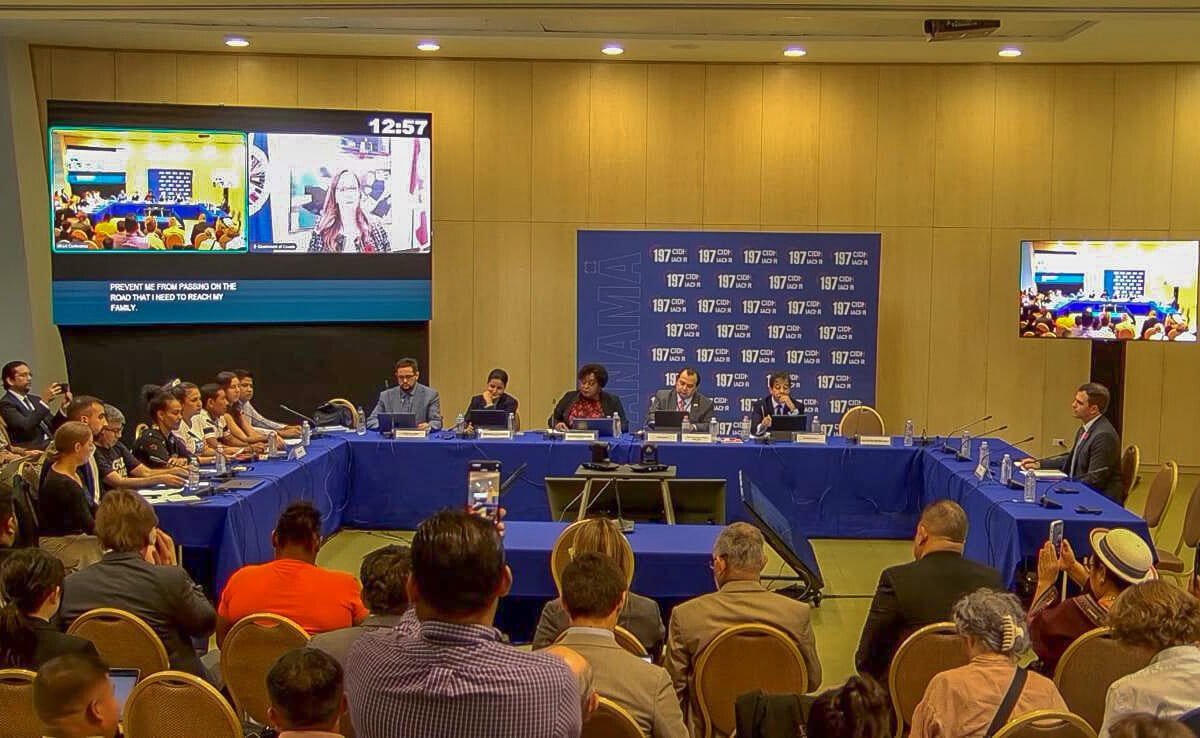
Representatives from Ecuador, Mexico, Panama, the Dominican Republic, Colombia and Argentina brought complaints about Canadian mining companies before the Inter-American Commission on Human Rights. The October 27 Panama hearing examined Canada's obligations abroad, but did not rule on each allegation.
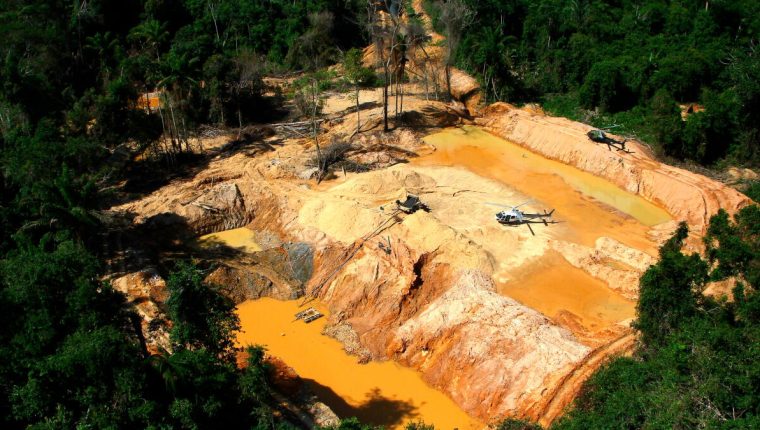
Witnesses described water contamination, deforestation, lost livelihoods and threats to ecosystems serving millions. Four participants alleged attacks or threats against environmental defenders. Those accounts demand investigation while remaining allegations rather than judicial findings against every named company.
Ecuadorian Indigenous fish farmer Marco Manobanda linked the El Domo copper-gold project to forest loss and polluted water affecting his livelihood. Owners Silvercorp Metals and Salazar Resources did not respond before Mongabay's deadline; he also described militarization, harassment and criminal cases against opponents.
Colombia's Mayerly Lopez reported threats and stigmatization against defenders of the Santurban paramo, a water source for about two million people, in the conflict over Aris Mining's Soto Norte project. Aris Mining had not responded before publication.
The hearing followed Canada's closure of the CORE ombudsperson and transfer of functions to its OECD National Contact Point. Critics say that office cannot compel documents or make factual findings; only three of 33 cases handled since 2000 reportedly produced formal joint agreements.
The legal route is limited. The IACHR can investigate, hold hearings and issue nonbinding recommendations, but Canada has not ratified the American Convention on Human Rights, preventing referral of Canada to the Inter-American Court for binding remedies in this matter.
Witnesses requested mandatory due diligence, independent accountability, access to remedy and safeguards tied to public finance, insurance and export support. The next test is whether the Commission recommends action and Canada adopts enforceable rules while authorities protect defenders and disclose water data.