Palos Blancos, Alto Beni, San Buenaventura, Rurrenabaque and Caranavi have approved local laws declaring themselves free of gold mining. Indigenous peoples, growers and authorities seek to protect rivers and agroecological livelihoods, but legal reach remains disputed.
Palos Blancos and Alto Beni have gone further: Bolivia's lower house approved a bill banning mining operations and new rights in both jurisdictions. Senate approval is still required, and the other three municipalities only have local measures.
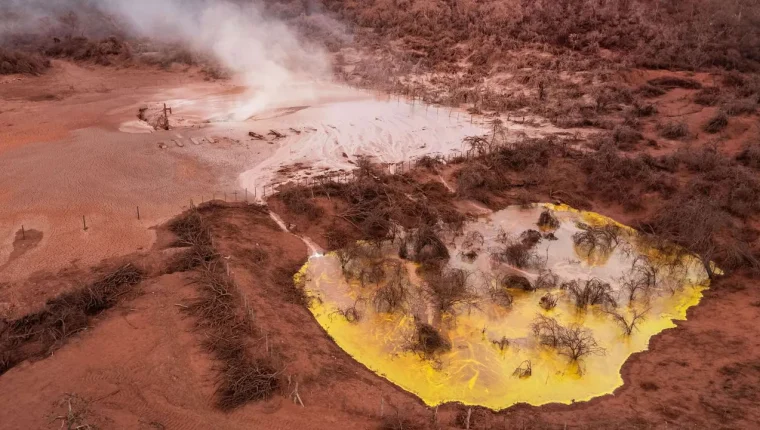
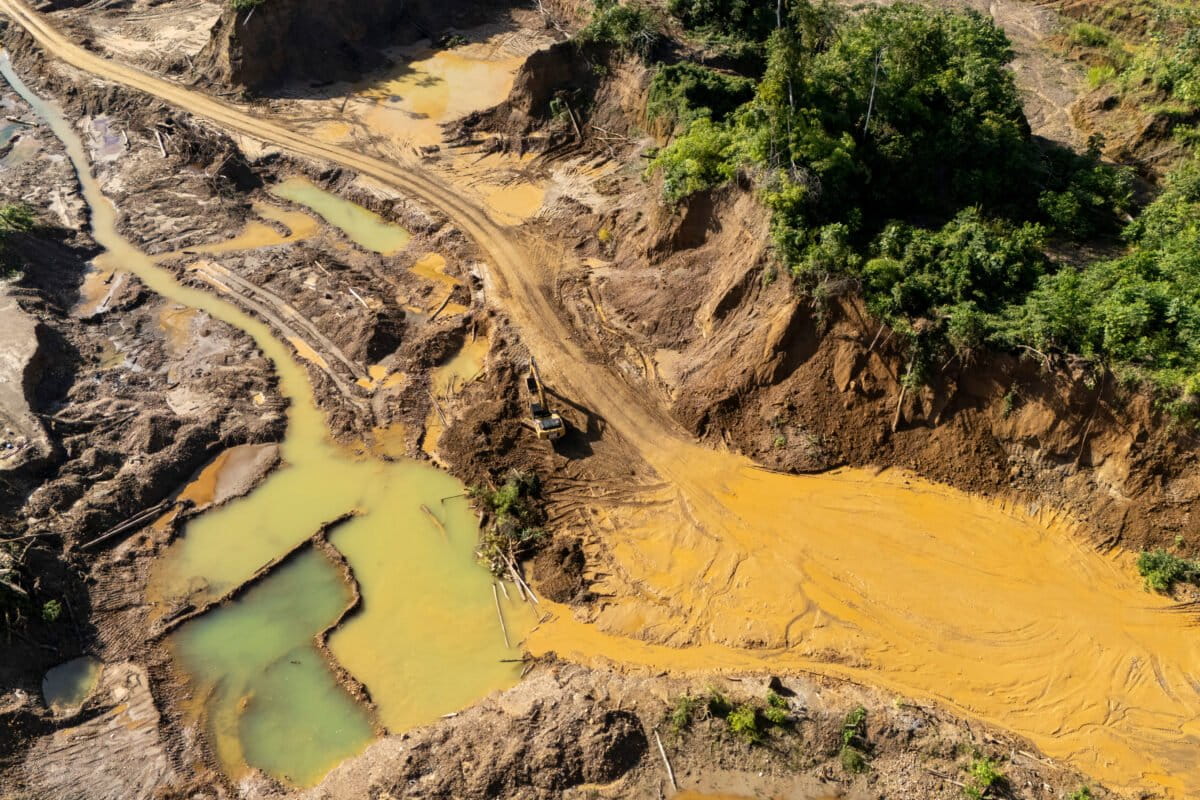
Before 2017, companies and cooperatives mined along the 187-kilometre Alto Beni River. Farmers say polluted water harmed crops; the mayor says large-scale activity has ended locally, although artisanal miners remain.
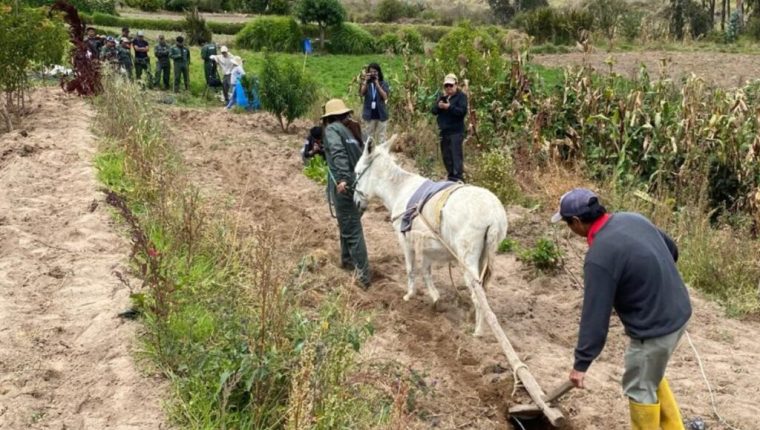
Organic cacao, citrus, bananas, cassava, rice, coffee and ecotourism underpin the alternative. Producers fear pollution could cut yields and certifications, but protecting agriculture also requires markets, infrastructure and credible local income.
Mining Minister Marco Antonio Calderón calls the declarations illegal because minerals are a central power. Legal experts counter that state authority remains bound by environmental duties and municipal planning, citing a constitutional ruling for Alto Beni.
Pollution crosses municipal borders, so isolated bans cannot protect a watershed. Advocates seek shared water monitoring, warnings, data and coordination among governments and Indigenous peoples, supported by Escazú rights to information and participation.
Implementation requires publishing concessions, separating legal, illegal and artisanal activity, monitoring mercury and sediment and assigning enforcement. Lower-house approval is political progress, not the conflict's end.