
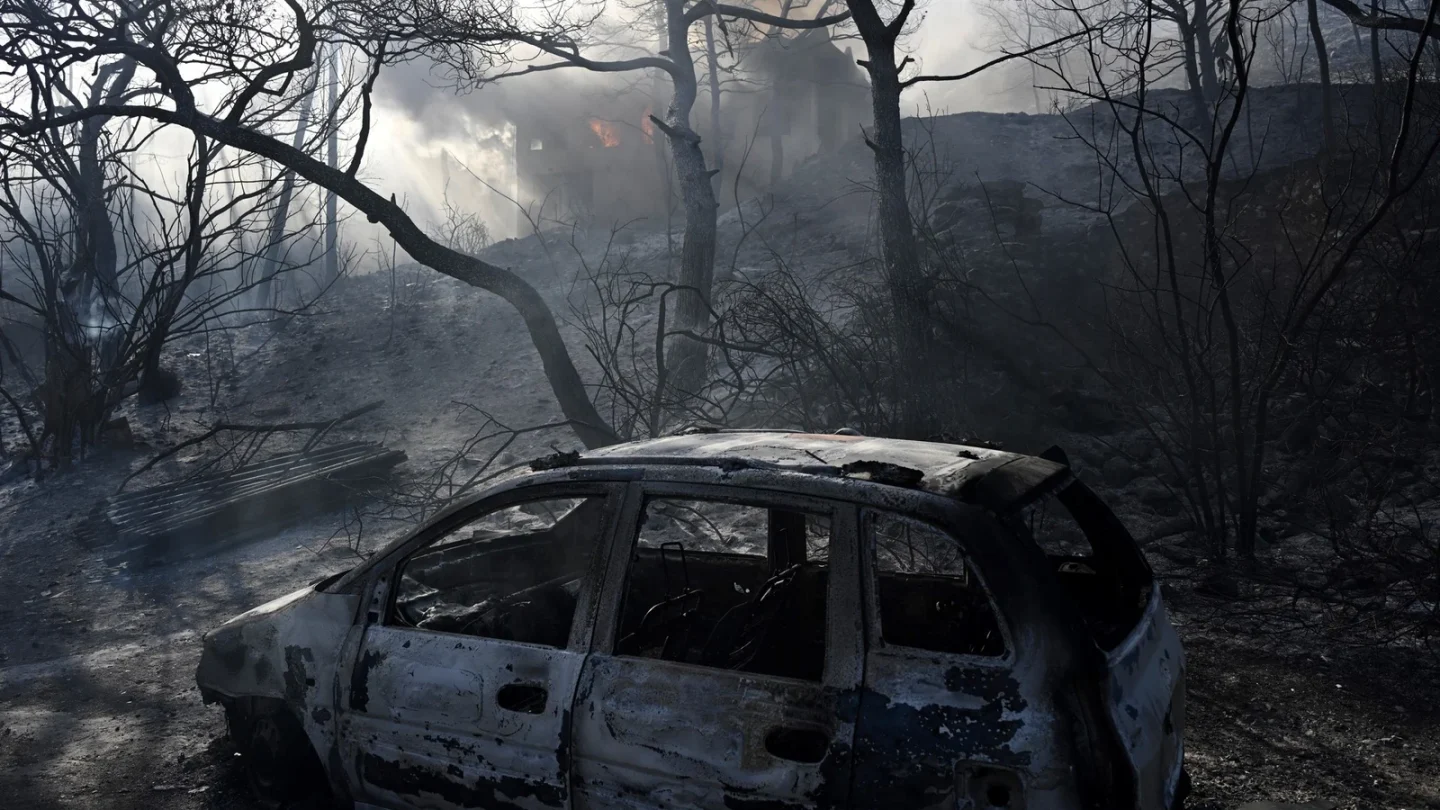
A new wildfire wave is crossing Europe amid intense heat and dry vegetation. On the Greek island of Salamis, an elderly couple died outside their home in the coastal area of Peristeria. Authorities ordered more than 500 people to evacuate as helicopters dropped water on fronts near inhabited areas.
The Greek emergency is part of a continental map. In Aragon, Spain, a soldier died while helping fight a week-old blaze that threatened a thousand-year-old monastery. Evacuations also occurred in western Germany and south-western France, while people were rescued from Greek beaches threatened by flames.
The most exceptional episode struck the High Fens, a Belgian nature reserve near Germany. The fire that began on Friday had affected about 3,000 hectares by Sunday and was described as the largest in Belgium's modern history. About 600 residents of Waimes and Bütgenbach, as well as tourists, were ordered out.
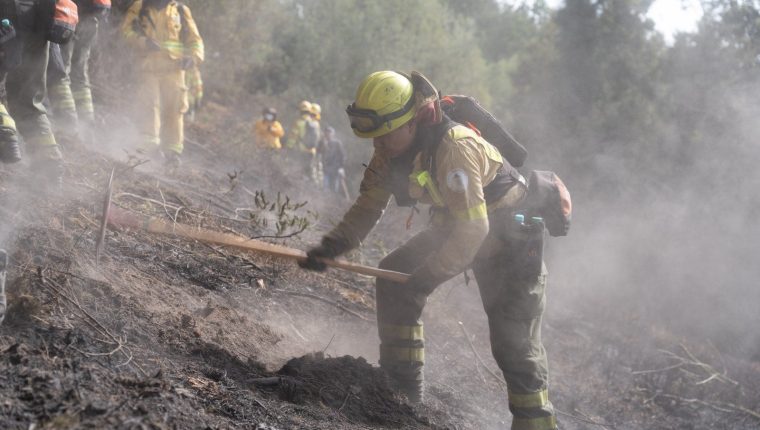
More than 250 firefighters and emergency workers joined the Belgian operation, including German teams and farmers using tractors to bring water from Lake Robertville. Two Swedish water-bombing aircraft and four helicopters — two Belgian and two Dutch — provided air support, a concrete example of European cooperation in a cross-border emergency.
Terrain complicates the response. Dense forest, peat bogs and raised boardwalks create fragile ground where heavy vehicles may sink, making aerial attack essential. Access to Lake Bütgenbach was closed for aircraft refilling. Two fronts toward Jalhay and Monschau were controlled on Sunday, but conditions remained difficult.
Portugal kept hundreds of personnel on several fires, and five firefighters were hurt when their vehicle caught fire near Dine. In Croatia, another blaze at a holiday resort left one person dead, 40 injured and 1,200 evacuated. The regional toll remained open, and each figure describes an evolving emergency rather than a final outcome.
Extreme heat creates fire-prone conditions, and human-driven warming is making such episodes more frequent and intense. That does not establish the ignition cause of each blaze, which requires separate investigation. Assessment must distinguish burned area, casualties, homes and ecosystems, actual perimeter control and cooperation capacity before the next heat wave.