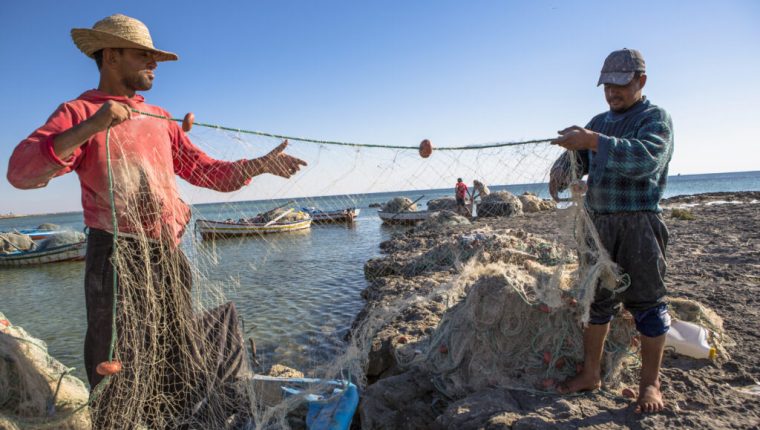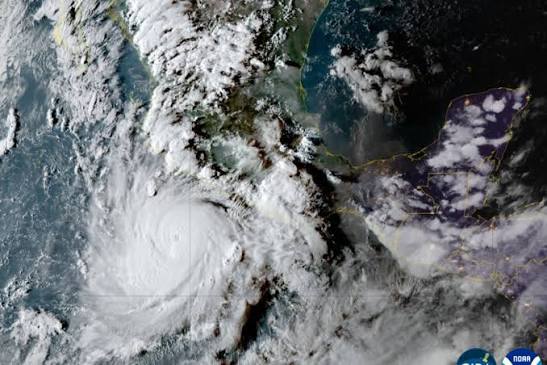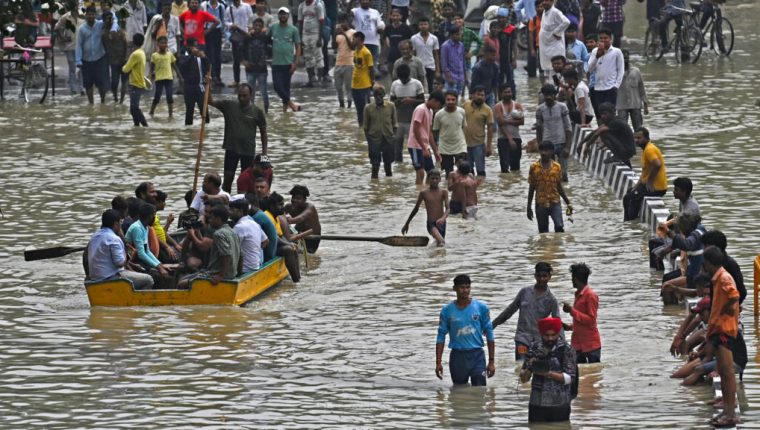

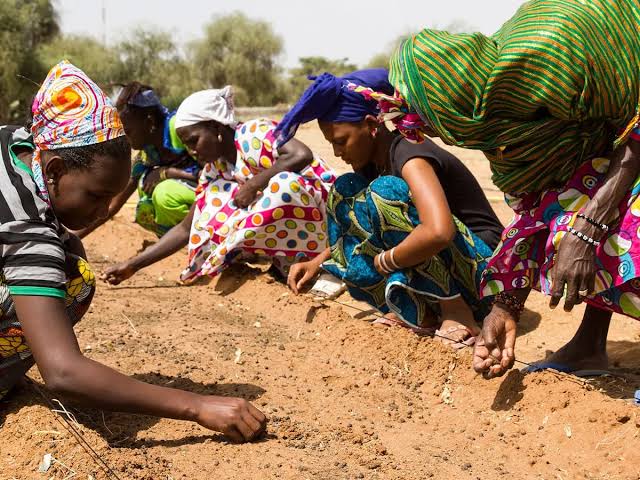
A study in npj Climate Action examined how climate services are used for nature-based solutions in Sub-Saharan Africa and what new needs users report. The team conducted 530 face-to-face interviews at seven sites in Ghana, Kenya, Madagascar, South Africa and Tanzania. Participants included communities, governments, public agencies, NGOs, companies, researchers and intergovernmental bodies linked to natural resources.
Ninety-six per cent of respondents used or needed climate services, and 78% combined current use with demand for a new one. Yet 39–53% of priorities described as needs exactly matched familiar uses, depending on rank. More than half repeated their main current use as their top desired need. This suggests that part of the demand is not for a different product but for fixing tools already in circulation.
Stakeholder type did not significantly predict the overlap between use and need: the pattern cut across communities, governments, NGOs, firms and researchers. Location did matter, with differences among the seven cases that available ecological, climatic and socioeconomic data did not fully explain. Local histories of access, intermediaries, collaboration and trust may be important, although the study says that explanation requires further research.
Current failures are concrete. Eighty-two per cent of existing users reported limitations, and more than 60% wanted stronger climate-change literacy. Priorities included better access and timeliness, integration of Indigenous and local knowledge with science, appropriate channels, greater credibility and skills to interpret forecasts, uncertainty and relevance to specific decisions about forests, water, agriculture or restoration.
Gaps between use and need did reveal genuinely new demands. They included integrated risk information combining meteorological, hydrological, ecological, health, social and economic variables; community and municipal scales; local radio, community networks, mobile phones, messaging and apps; and formats using illustrations, animation or video. Less-covered hazards such as heat, fire, landslides, erosion and cold extremes also gained priority.
Between 81% and 91% of respondents said a new service should combine Indigenous or local knowledge with science to be usable. That requires real co-production: users and producers jointly define problems, assumptions, formats and evaluation, rather than users being consulted after an expert product is designed. The paper recommends iterative processes, reflective learning and participatory or scenario approaches that can surface needs not yet familiar.
The results are not a representative inventory for the whole continent: sampling was purposive, concentrated in seven cases, and structured interviews can anchor answers in familiar options. Their strategic value lies elsewhere: separating improvements to existing services from investment in new products. Success should be measured through timely access, trust, interpretive capacity, use in decisions, knowledge integration and adaptation outcomes, not the number of platforms created.