

Oman's Environment Authority opened a three-day workshop in Muscat on 24 August to review progress on the National Adaptation Plan formulation project. The meeting presents climate scenarios and cross-sector consequences, examines technical outputs completed so far and gathers proposals on priorities, challenges, gaps and needs. Its stated purpose is to support the final stages of a comprehensive national framework.
An adaptation plan organizes how a country lives with impacts already occurring or no longer avoidable, unlike mitigation, which cuts emissions. Oman's process began earlier and has been linked to Paris Agreement commitments and preparation of its third nationally determined contribution. Identified sectors include water, agriculture, health, coastal zones and infrastructure, all central to the sultanate's security and development.
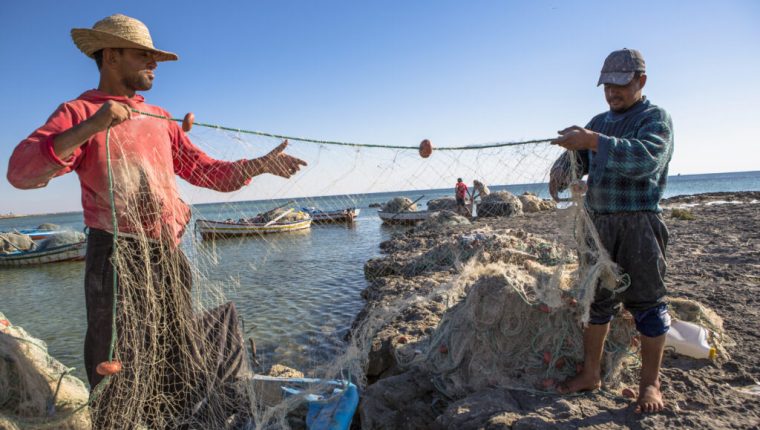
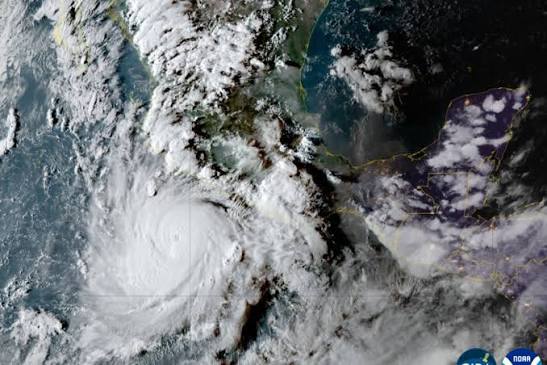
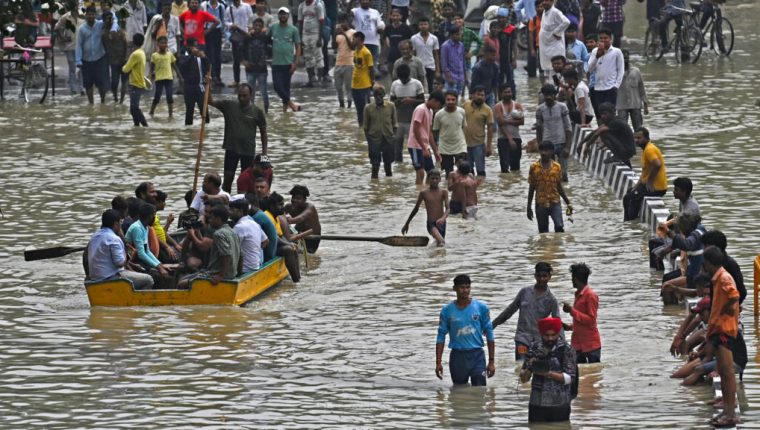
The document will be useful only if scenarios become territorial decisions. Extreme heat affects labour and health; water scarcity and variability shape cities, farming and industry; storms and flash floods test drainage and roads; and coasts concentrate people, ports, tourism and ecosystems. These links require avoiding isolated sector plans that simply transfer risk from one system to another.
The workshop brings a broad range of stakeholders together to compare national priorities with sector needs. Participation matters if it produces agreements on responsibility rather than general comments. Municipalities, companies, health services, water and energy operators, scientists and communities need to share data, define action thresholds and identify who is more exposed because of income, age, disability or location.
Technical work should include vulnerability baselines, risk maps, policy and legal options, cost estimates and an integrated climate-risk system. Every measure needs a responsible agency, schedule, budget, funding source and indicator. Without them, a project catalogue cannot distinguish preparation from aspiration or prioritize investment when water, coastal protection, health and infrastructure compete for resources.
Adaptation also requires sustained finance and institutional capacity. Alignment with international frameworks can improve access to funds, but proposals must be investable, socially fair and consistent with Oman Vision 2040. Resilient infrastructure, early warning, water efficiency, ecosystem protection, climate health and building standards should be assessed by losses avoided and service continuity, not only spending.
The workshop is not yet an approved plan and does not guarantee implementation. Verifiable next steps are publishing the diagnosis, closing consultations, assigning mandates, prioritizing a costed portfolio and setting periodic reviews as data change. Oman will strengthen resilience if the final document connects science, budgets and accountability to local decisions; quality will be visible when each sector can show what risk it reduces, for whom and by when.