

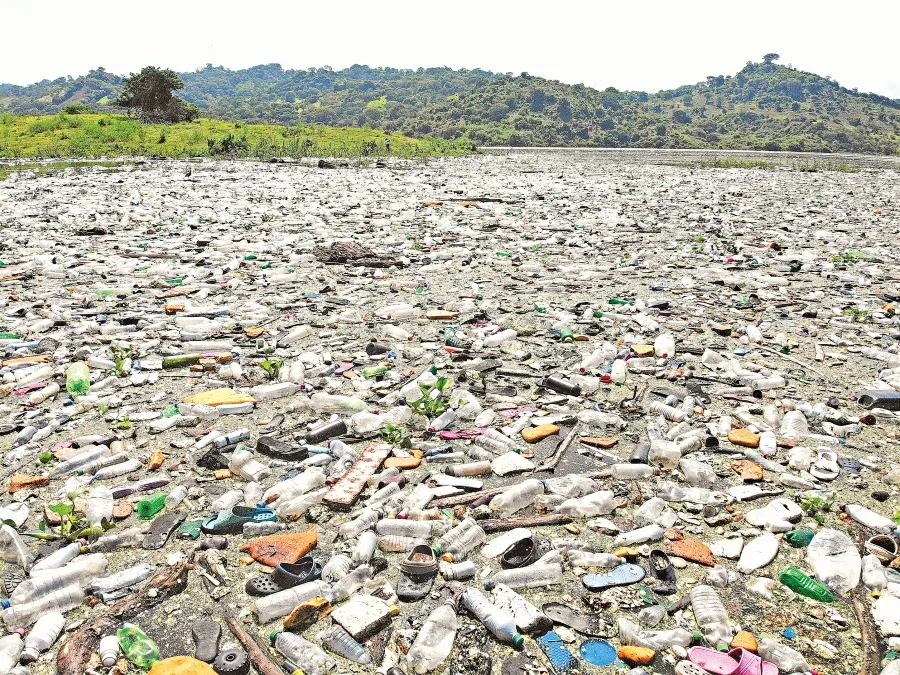
The Salvadoran Centre for Appropriate Technology has promoted waste management based on reduction, separation and recovery close to the point of generation for more than two decades. CESTA, regarded as El Salvador’s first environmental organization, links that work to agroecology, food sovereignty, biodiversity and community organization. It has belonged to the global Break Free From Plastic movement for ten years.
The organization supports about 30 communities alongside water and environmental committees, community and feminist groups, and Indigenous Peoples. Work begins by identifying how much plastic enters kitchens, homes and productive plots and discussing which uses can be avoided. This everyday diagnosis turns an abstract problem into choices about purchasing, storage, production and disposal.
Groups of women waste pickers collect recoverable materials, develop small enterprises and promote alternatives to disposable bags. Cloth bags circulate through parks, fairs, markets and shopping centres as practical tools and public messages. The aim is not to blame consumers alone, but to build local capacity while challenging the constant supply of products designed to be used for minutes.
In one municipality, CESTA supported block-by-block separation and worked with local authorities to keep organic and recoverable waste from being mixed. The pilot included a collection centre and municipal composting site, reduced final-disposal volumes and showed potential savings. It is not a national transformation, but an operating model requiring education, organization, budgets and political will.
CESTA rejects the idea that recycling alone can solve rising plastic production. It prioritizes prevention, reduction and reuse and proposes processing materials near their origin. It also trains officials in sustainable management and discusses landfills and incineration so municipalities can evaluate full costs and impacts. Better separation helps, but cannot indefinitely offset more disposable products.
The organization helped prepare a legislative proposal to phase out single-use plastics over five years and give companies time to adapt. The initiative stalled after political changes, so it did not create a national ban. CESTA attributes part of the obstacle to industry influence and seeks rules assigning responsibility to those who produce and profit before material becomes waste.
The international dimension matters because El Salvador is among the region’s leading importers of plastic waste. CESTA wants a legally binding global treaty covering the full lifecycle, reducing production and disposables and expanding reuse systems. Local indicators include less generation, cleaner separation, composting, decent waste-picker incomes and lower municipal costs; structural success also depends on corporate and trade decisions made beyond each community.