
Every November, a mixture of fine particles, ozone, nitrogen oxides, metals and organic compounds becomes trapped over Pakistan's Punjab. The health emergency affecting more than 20 million residents is well documented, yet exposure among birds, mammals and other wildlife remains largely outside formal observation. The issue is not an absence of risk but an absence of regional data capable of measuring it.
The imbalance is striking. A 2023 baseline study followed ten livestock farms in Lahore and Kasur, each holding 90 to 275 animals, and measured particles, carbon dioxide, trace elements and even opportunistic pathogens inside sheds. A wild bird just outside those facilities receives no equivalent surveillance because equipment, annual calibration, budgets and institutional commitment are lacking.
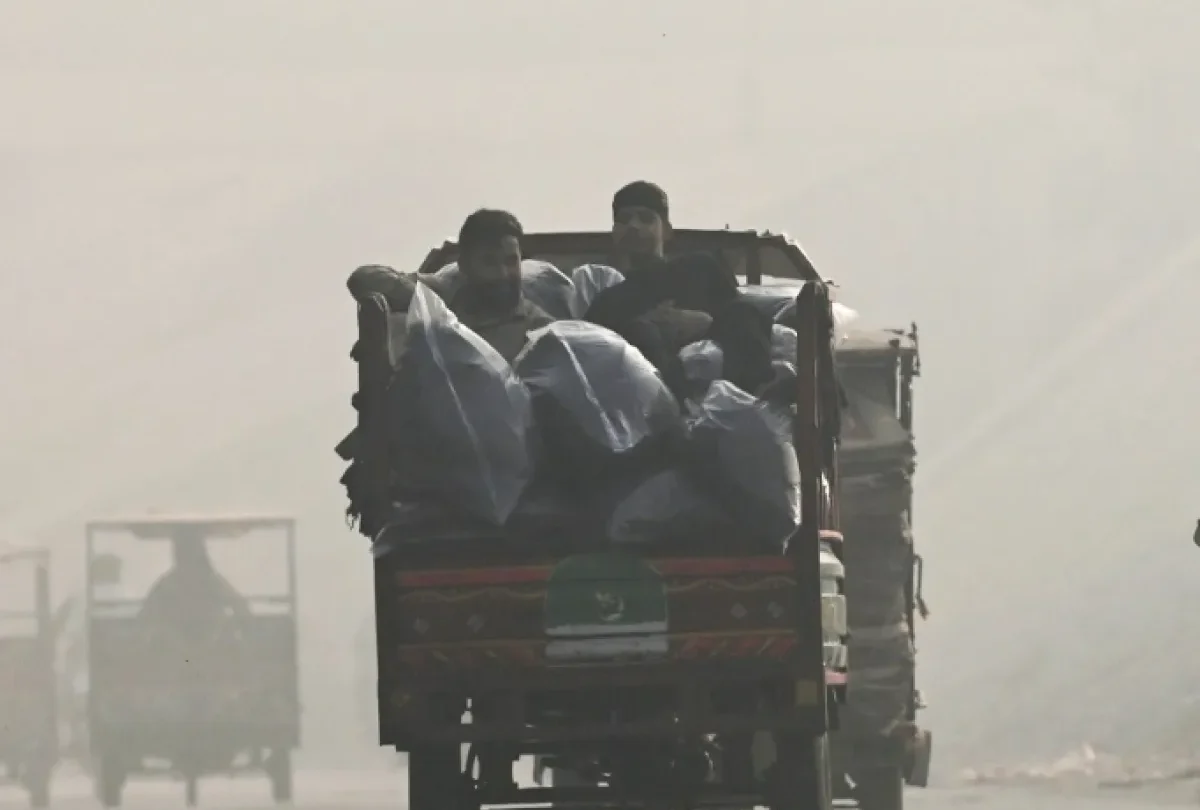
Pollution comes year-round from traffic, industry and thousands of brick kilns, then rises when crop residue is burned before winter planting. As temperatures fall, an inversion traps cold air near the ground while weak winds prevent dispersal. Lahore's air-quality index exceeded 500 in January 2026, and Pakistan's average PM2.5 concentration in 2025 was more than thirteen times the WHO guideline.
Physiological evidence provides credible pathways of harm, though it cannot replace wildlife population surveys. Fine particles and ozone enter respiratory systems, inflame tissue, restrict oxygen and worsen existing disease; some components also disrupt hormones. Lahore veterinary clinics report more birds and animals with sneezing, nasal discharge, eye irritation, lethargy and labored breathing during severe smog.
The effects may extend to behavior and food webs. Poor visibility hinders predators hunting and herbivores finding forage, while pollutants deposited on leaves and in water persist after winter. Toxic haze may interfere with migratory birds that navigate by stars, scent or magnetic fields, but researchers cannot yet separate its contribution from habitat loss and other pressures along the Indus Flyway.
Punjab's wildlife department says it monitors migration sites and captive animals and notes that native species have some resilience. Adaptability does not prove that exposure is harmless, especially for juveniles, sick animals or long-distance migrants. Likewise, observed declines in visiting birds cannot be assigned solely to smog without comparable series on health, abundance and contaminant loads.
Researchers propose a One Health program that measures air, people, livestock, wildlife, vegetation and water together. It would require regional stations, necropsies and biomarkers, tracking of movement and reproduction, and open multiyear data. While evidence is built, precaution means reducing emissions from transport, industry, kilns and crop burning rather than mistaking a statistical blind spot for safety.