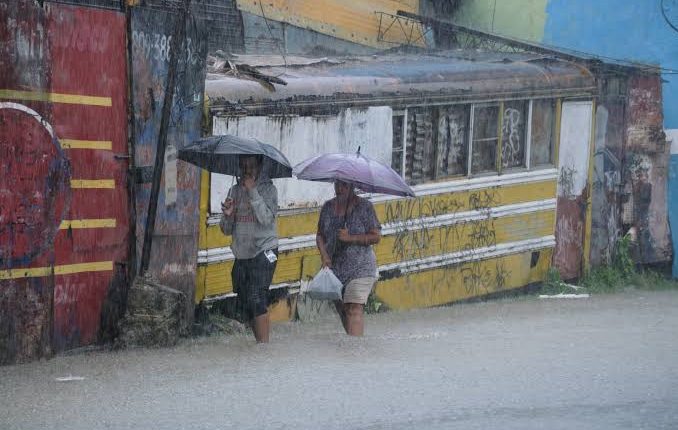
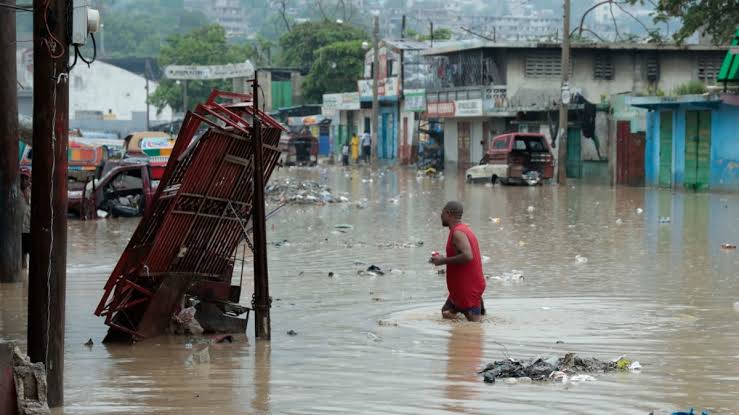
Heavy rain from a low-pressure system over the northern Caribbean triggered floods and landslides in Haiti and the Dominican Republic, the two countries sharing Hispaniola. The official tally released October 27 included at least four deaths and two missing people in southwestern Haiti, plus isolation and housing damage on both sides of the border.
Haiti's Civil Protection Agency said more than 3,200 families were affected and hundreds of homes destroyed. Landslides damaged or blocked several southwestern roads, complicating access for rescuers, food, safe water and medical care. The figures remain preliminary and may change as teams reach communities that are still cut off.
In the Dominican Republic, the Emergency Operations Center reported at least 30 isolated communities and more than 100 flooded homes. That tally should not be merged casually with Haiti's: each authority uses its own categories, cut-off times and procedures. Reporting by country preserves meaning and avoids treating flooded homes, affected families and isolated communities as interchangeable counts.
Danger does not end when rain stops. Saturated slopes can fail after peak rainfall, rivers may continue rising and damaged roads can collapse under heavy traffic. Flooded homes bring risks from electricity, contaminated wells, waterborne disease and lost medicines, documents and food. Return therefore requires inspection, not simply visibly receding water.
Immediate priorities are finding missing people, evacuating unstable areas and restoring access without putting response crews at unnecessary risk. Safe shelters need potable water, sanitation, protection for children and women, continuity of treatment and family reunification. Rural assessments should also record losses of crops, animals and tools that support livelihoods after the emergency.
The same weather disturbance produced different outcomes across a shared island. Vulnerability depends on settlement location, housing, vegetation, drainage, roads and institutional capacity. The low-pressure system explains the meteorological trigger but not the full distribution of harm, a distinction needed to prevent reconstruction from reproducing disaster conditions.
After rescue, recovery should integrate slope stabilization, watershed restoration, urban drainage, resilient bridges and roads, accessible warnings and cross-border planning. Haiti and the Dominican Republic need hydrometeorological information exchange because they share basins and weather systems. Final reporting should retain dates, methods and official sources rather than prematurely closing an evolving emergency.