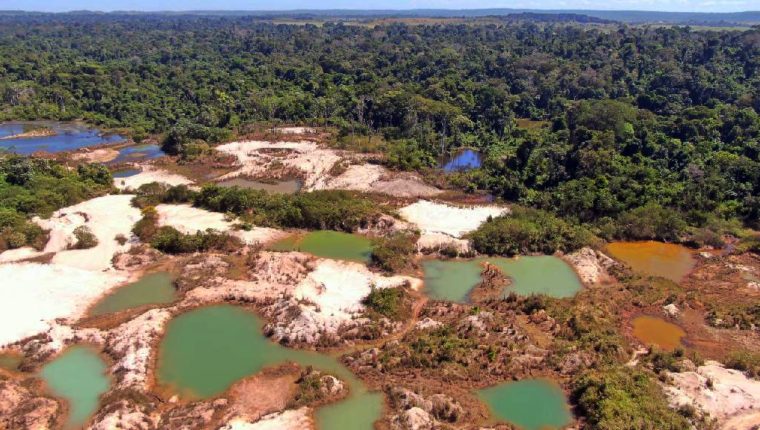


Chile is accelerating seawater use to sustain copper mining in its arid regions. The Chilean Copper Commission projects total sector demand to rise from 18.5 cubic metres per second in 2024 to 20.6 in 2034. The decisive shift is the source: seawater’s share would increase from 40.7 to 67.6 per cent, easing pressure on continental water while moving new burdens to the coast.
Law 21.813, enacted in May after seven years of debate, created a specific desalination concession regime, new powers for the General Water Directorate and a national strategy. Industrial plants and intensive seawater extraction must enter environmental assessment. Yet regulations and full commencement may take 18 months, leaving much of implementation unfinished.
The industry is already large. The Chilean Desalination and Water Reuse Association reported 24 plants producing more than 11,000 litres per second, with 2026 projects potentially lifting capacity by about 30 per cent. From January to June, the Environmental Assessment Service approved 23 mining projects worth $3.275 billion and received 34 more declaring over $18 billion.
The law orders procedures but leaves major marine risks unresolved. It sets no desalination-specific salinity limit for brine and does not require an emission standard. Monitoring protocols, definitions of industrial plants and intensive intake, and rules for antiscalants and other reverse-osmosis chemicals also remain to be settled.
Potential impact begins before discharge. Intakes may draw in phytoplankton, zooplankton, eggs and larvae. Studies near outlets in Caldera recorded declines in some bottom-attached organisms, displacement of mobile species and growth of tolerant species. Severity depends on volume, diffusers, waves, currents and whether a plant sits on an open coast or in a sheltered bay.
Project concentration creates another challenge. Ports, fishing, aquaculture, sewage and industry share many bays, so project-by-project reviews can miss interactions. SEA has applied cumulative-impact criteria since 2025 and its 2026 guide requires nearby intakes and outlets to be considered, but scientists seek stronger baselines and whole-bay carrying-capacity studies.
Water and energy must also be integrated. Cochilco projects 5.4 terawatt-hours of electricity for mining seawater use in 2034, comparable to the annual use of about two million homes; nearly 80 per cent would pump water inland and uphill. Desalination can improve water security, but legitimacy depends on rules, siting, monitoring, efficiency and limits that prevent a land solution from increasing ocean pressure.