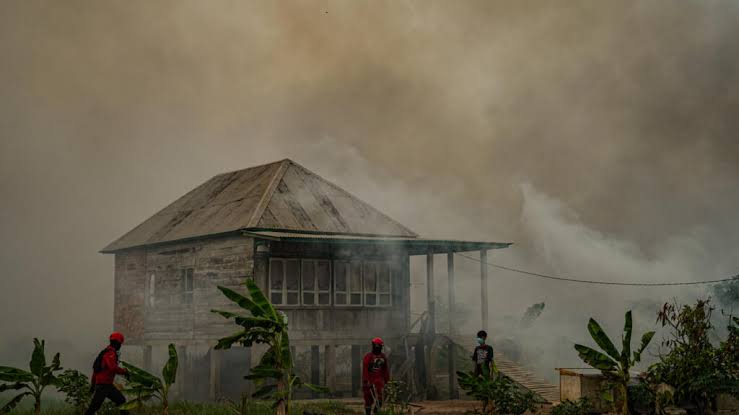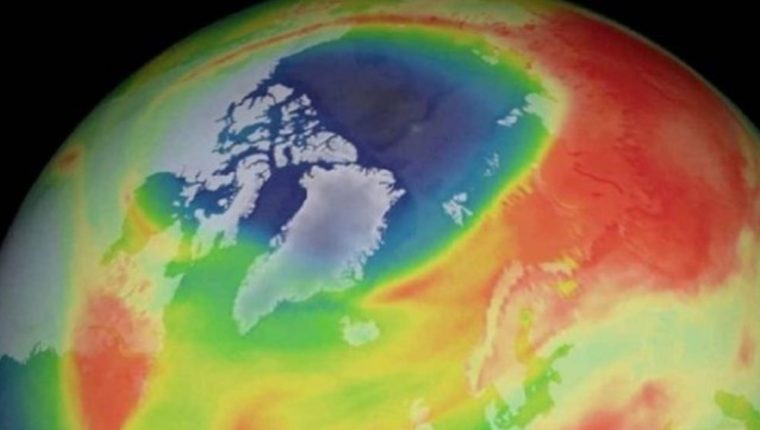

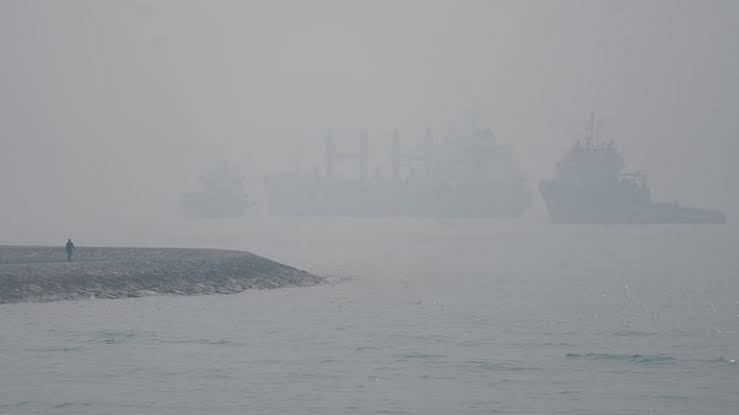
Singapore passed an expedited overhaul of its Transboundary Haze Pollution Act after the worst episode since 2015. The changes expand corporate investigations, trace commercial links and allow action before smoke arrives, while the government concedes domestic law cannot alone control fires in foreign jurisdictions.
A convicted company may now face up to S$1 million per day and S$20 million overall, up from S$100,000 daily and S$2 million total. Courts may also disgorge benefits, while a separate civil route carries a maximum S$10 million penalty without double punishment for the same case.
NEA can direct entities with suspected links to hire approved private assessors at their own expense. They may examine operations, ownership, supply chains and financing and report directly to the agency. The direction is fact-finding, not proof of an offence; courts retain liability decisions.
Authorities may designate entities and restrict third parties from supplying goods, services, credit or support. Breaching an order can cost S$1 million per offence plus S$100,000 for each continuing day. Ten Singapore-registered companies have already received information notices about the 2026 haze.
Other provisions allow arrests inside Singapore, electronic service, trials in absence under procedural safeguards and intervention when an overseas fire creates credible risk before haze reaches the country. Distance, duration, area, winds and weather will guide a targeted assessment.
A company can no longer rely only on saying another person lit the fire without its knowledge; it must also show reasonable prevention and firefighting. Yet designation or an adverse report should not become automatic conviction, making transparent evidence, response rights and judicial review important.
Minister Grace Fu said the tools do not guarantee prosecutions. Overseas evidence still depends on access, sovereignty and cooperation. A Singapore-Indonesia task force and ASEAN work in 2027 remain essential; success will mean linking fires to decisions, preventing ignition and reducing exposure, not merely raising possible fines.