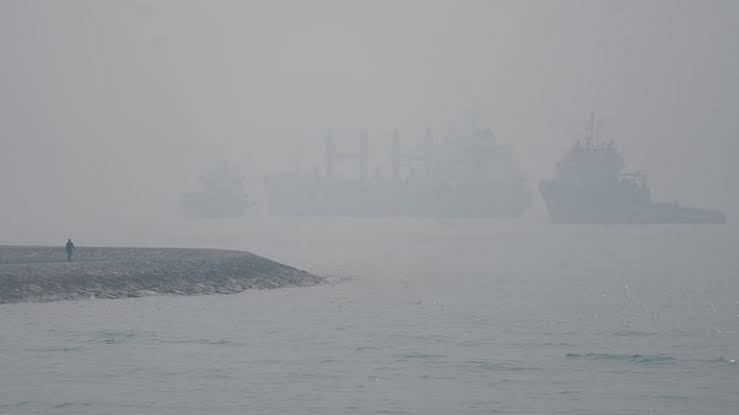

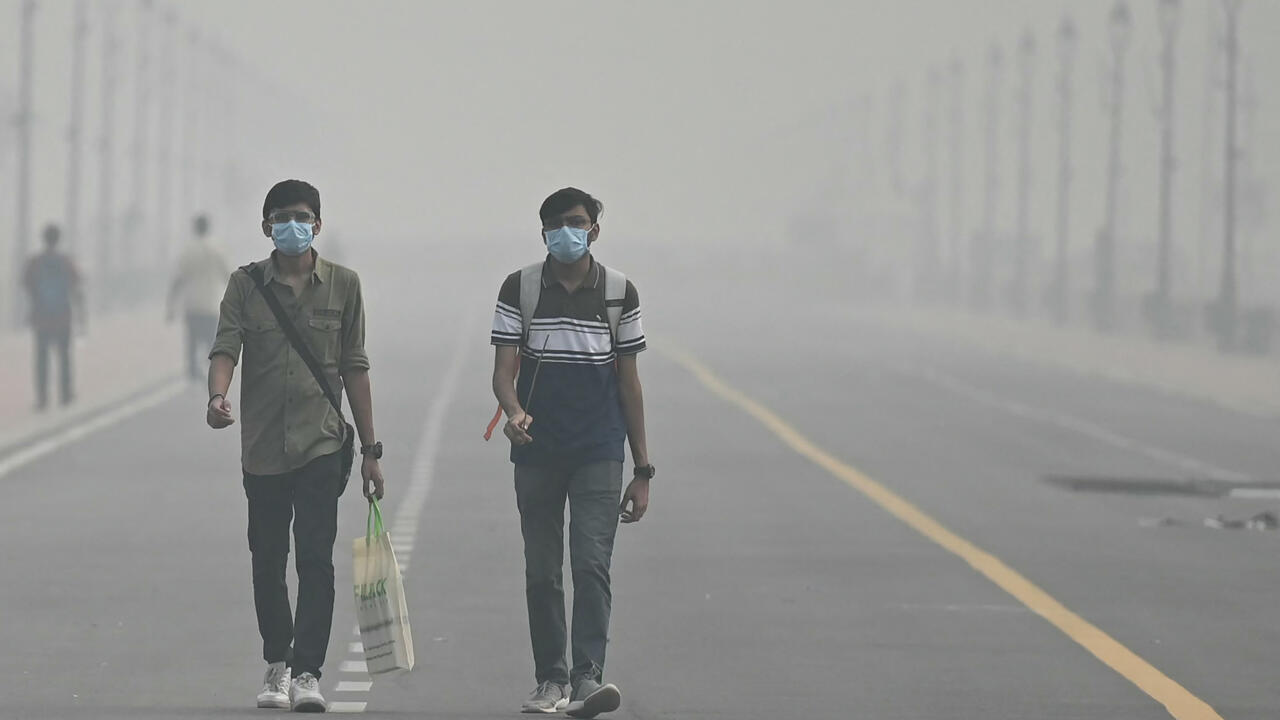
Delhi opened November beneath renewed smog. Private platform AQI.in reported 386 at 11:01 a.m. on November 2 and an instantaneous peak of 512 shortly after midnight, with a 24-hour minimum of 334; neighbouring Noida was shown at 409.
Those readings are not the official daily average. The Central Pollution Control Board recorded Delhi's 24-hour AQI at 261 on November 1, in the Poor category, although several stations were Very Poor. A live sensor and a citywide average answer different questions.
Fine particles drive much of the health risk. AQI.in listed Delhi PM2.5 at 233 micrograms per cubic metre and PM10 at 291, with Noida at 262 and 297. PM2.5 can enter deep into lungs and the bloodstream, worsening respiratory and cardiovascular disease.
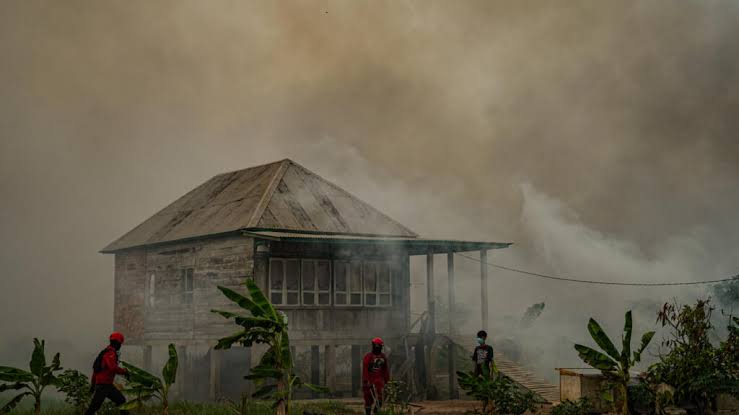
There is no single source. A decision-support model attributed 18.57% of November 1 pollution to crop-residue fires, up from 5.33% a day earlier. Traffic, construction dust, industry, waste burning and fireworks also emit pollution, while weak winds and a shallow mixing layer trap it.
The early-warning service expected air to turn Very Poor on November 4 and remain Poor to Very Poor for six more days. Cooling, humidity and slow winds favour winter accumulation, but an hourly rise or fall cannot prove a stable trend or predetermine an entire fortnight.
The Commission for Air Quality Management has kept Stage I of the GRAP response in force since October 21. It also ordered 50% physical office attendance from November 5 to 20 in Delhi and neighbouring districts, alongside dust controls and limits on some non-BS-VI vehicles.
Emergency restrictions reduce exposure but cannot replace structural policy. Cleaner transport, enforceable industrial and construction controls, waste management, alternatives to farm burning and comparable monitoring are needed, while residents should use official local advice to limit outdoor exertion and protect vulnerable people.