The South-West Pacific continued to warm and acidify during 2025, with environmental, economic and social consequences that call for better observation, early warning and response systems. The assessment comes from the State of the Climate in the South-West Pacific 2025 report, presented by the World Meteorological Organization (WMO) in Singapore on July 7, 2026.
The region experienced its second warmest year on record, behind only 2024. The annual mean surface temperature across land and ocean was approximately 0.37 °C above the 1991-2020 average, although La Niña temporarily cooled the sea surface in some areas.
The ocean assessment was particularly concerning. Almost the entire region recorded historically low surface pH values, indicating widespread acidification, while warming and deoxygenation affected habitats and biodiversity. Record heat content was also observed in the upper 700 meters of the ocean south of Australia and in the southern Tasman Sea, as well as in other parts of the Pacific.
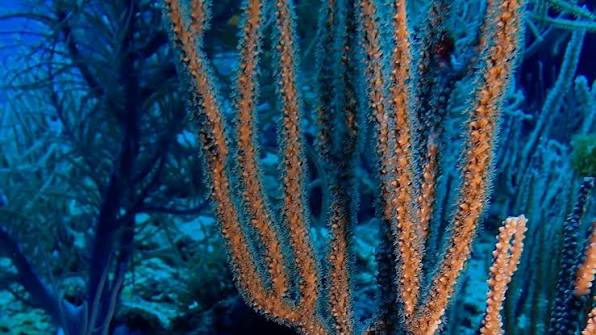
Marine heatwaves affected almost the entire regional ocean area. Although their extent was smaller than in 2024, it was the widest ever recorded in a year without El Niño. Impacts included coral bleaching, fish deaths, disruption to aquaculture, kelp forest mortality, shifts in species distribution and harmful algal blooms.
These processes directly affect fisheries and other livelihoods on which millions of people depend. At the same time, rising sea levels increase the exposure of coastal communities and island nations, while heat intensifies risks affecting food systems, public health, infrastructure and local economies.
The report also warned that coordination and capacity gaps persist. Marine heatwave forecasting services can provide weeks or months of lead time, but their value depends on timely alerts, trusted messages and mechanisms capable of reaching the most vulnerable populations and translating information into decisions.
From a sustainable human development perspective, the challenge is not merely to record ocean deterioration, but to turn data into prevention and capacity for action. Strengthening monitoring, scientific cooperation, institutional preparedness and the territorial reach of warnings can protect ecosystems while supporting communities, productive activities and infrastructure in the face of growing risks.