
The energy transition has a second life to solve: what happens to solar panels, wind turbines and batteries when they stop operating. In Latin America and the Caribbean, that question is becoming an industrial-scale issue. A report by the Latin American and Caribbean Energy Organization warns that the region could turn renewable infrastructure waste into a strategic source of materials, jobs and innovation.
The central figure is striking: the potential economic value of recoverable materials could reach 209 billion dollars by 2050. This is not only about recycling as an environmental obligation. It is about building a circular economy able to reduce imports, recover critical inputs and strengthen regional supply chains.
The region already operates around 150 million solar panels and about 16,000 wind turbines. As new renewable capacity expands, the volume of equipment reaching the end of its useful life will also grow. By 2050, these technologies could contain nearly 81 million tons of materials, including steel, copper, aluminum, glass, plastics and other industrially valuable components.
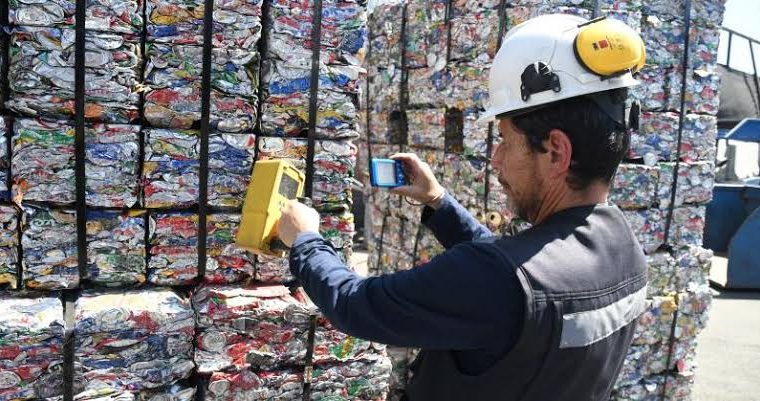
The challenge is to prepare early. Without collection systems, traceability, repair capacity, dismantling and processing infrastructure, a large share of those materials could end up in landfills or informal circuits. With the right standards, however, energy-transition waste can become secondary raw material for new industries.
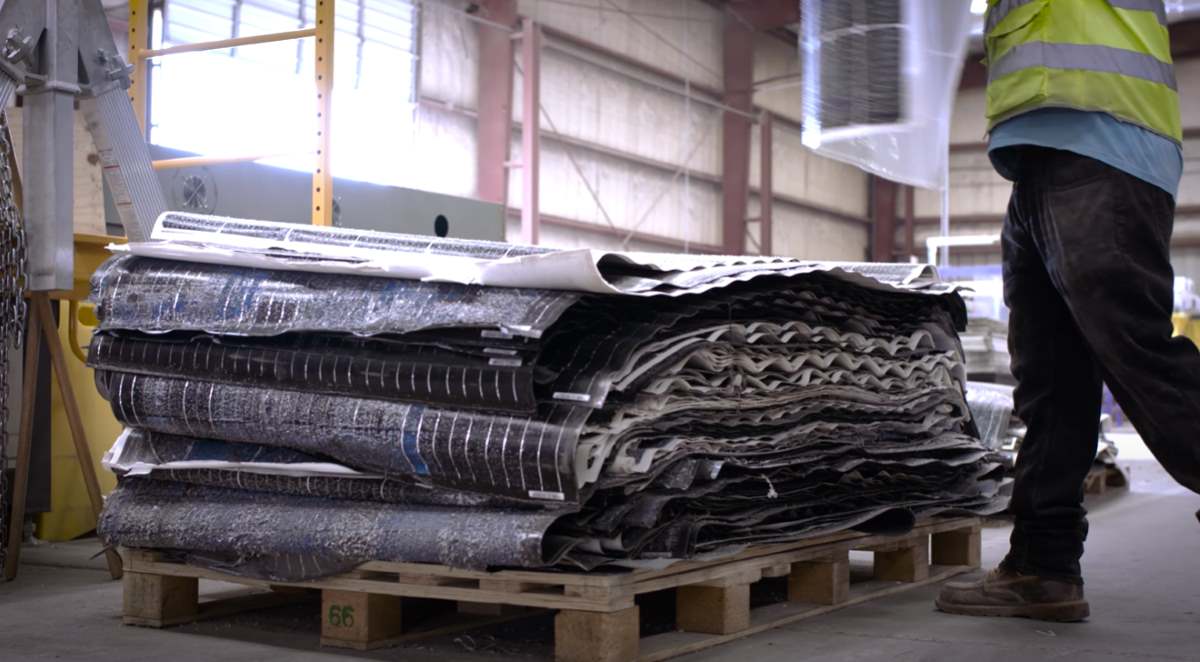
Solar panel recycling also has a direct environmental dimension. Poor management can create risks for soil, water and air, especially when equipment is broken, abandoned or handled without technical controls. Recovering glass, aluminum, copper and other materials reduces extractive pressure and lowers the footprint of new supply chains.
For Latin America, the opportunity lies in combining public policy, infrastructure and technical knowledge. A circular economy for renewable energy requires regulation, extended responsibility, repair workshops, separation plants, laboratories, certifications and trained workers.
Clean energy does not end when a panel stops producing electricity. Its real environmental closure depends on whether its materials return to the productive cycle. If the region plans in time, recycling renewable infrastructure can move from a future problem to a new platform for sustainable development.