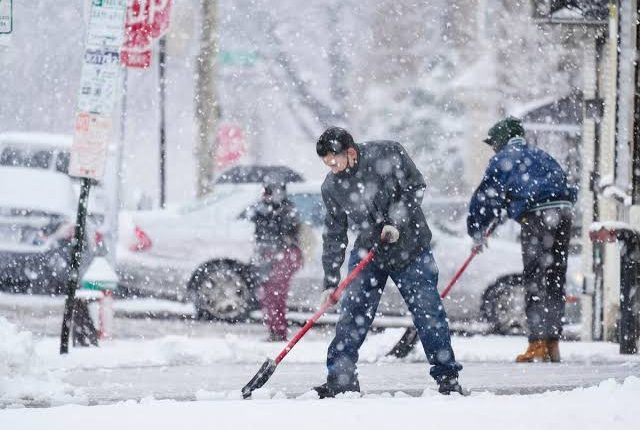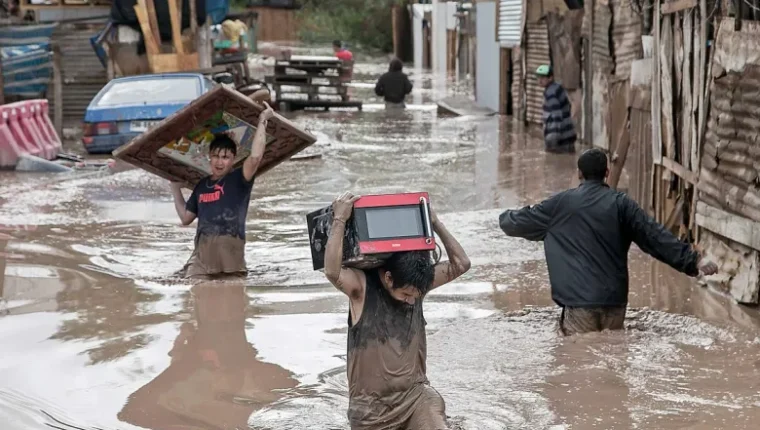

A succession of torrential rain, flash floods, landslides and typhoons is affecting territories from Afghanistan and Bangladesh to China, Japan, Vietnam and Taiwan. It is not one weather system but a regional season in which intense events overlap and encounter exposed communities, fragile housing, crops in flood-prone areas and insufficient infrastructure.
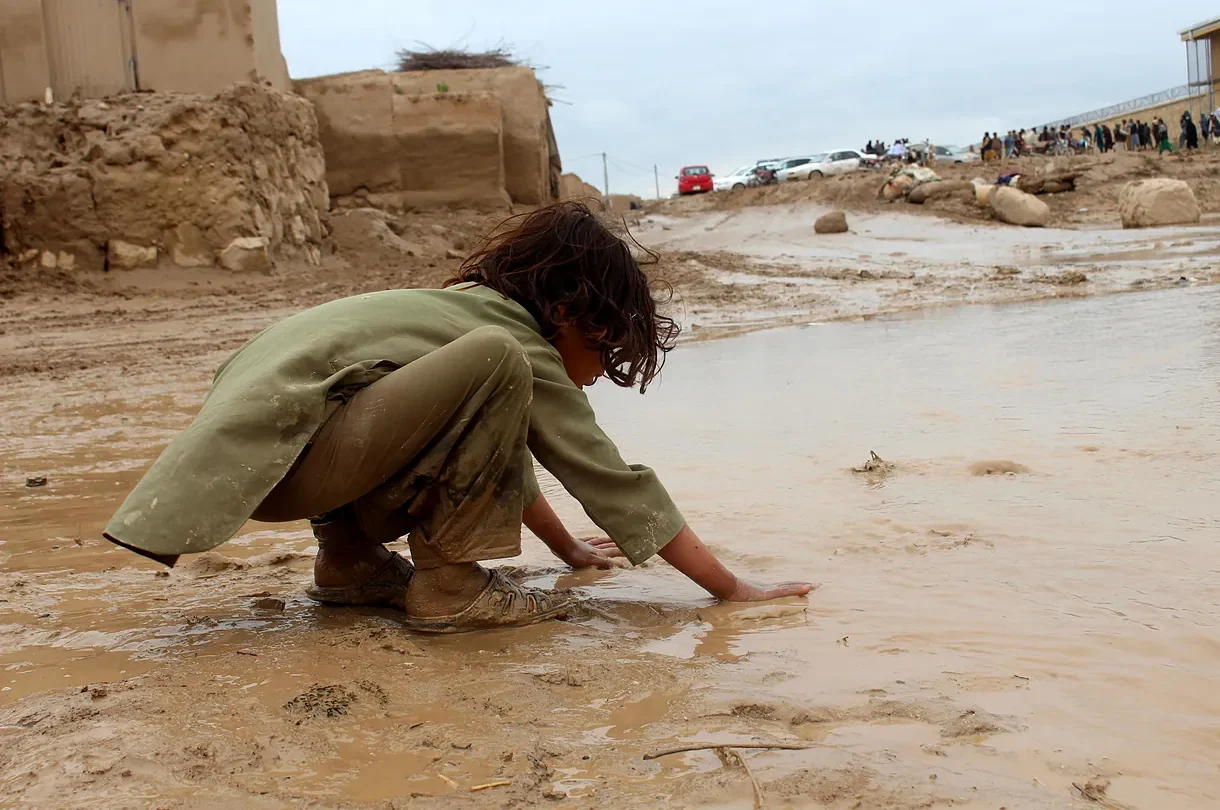
In eastern Afghanistan, ten days of rain damaged roads, washed away crops and collapsed stone-and-mud houses. Flash floods left at least 31 people dead and hundreds missing. For rural families, the emergency does not end when the water recedes: loss of shelter, food and access complicates relief and extends health risks.
In Bangladesh, the coastal city of Chattogram received a record 412.3 millimeters of rain in 24 hours in early July. Floodwater reached Banshkhali district, destroyed homes, inundated rice fields and killed poultry. Low-income households returned to damp or collapsed structures where contaminated water and crowding increase the likelihood of fever and disease.
China has been in a flood season since April in which more than 600 rivers rose above warning levels, 35% more than the average for the same period over the previous five years. A landslide in Chongqing killed at least 11 people and left 50 missing, while a flash flood at a camping area in Gansu killed ten people and injured 23.
Tropical storms add another layer of risk. Typhoon Noul, the strongest to make landfall in China so far this year, prompted the evacuation of more than 890,000 people in Guangdong. Forecasts call for northern China, including Beijing, to receive 20% to 50% more rain than usual and for four to six typhoons to affect the country during the summer, compared with an average of 4.2.
Taiwan reported June agricultural losses of more than NT$330 million — about US$10.2 million — while Taipei recorded its wettest month in more than a century. Global warming does not by itself explain each death or collapse, but it intensifies a basic physical condition: warmer air holds more water vapor and can release heavier rain, a pattern the IPCC projects for Asia's monsoon regions.
The International Federation of Red Cross and Red Crescent Societies is calling for investment before impact in local preparedness, warnings, evacuation and risk reduction. With more rain forecast and another El Niño expected, concrete steps include reinforcing housing and drainage, protecting schools and health centers, securing access routes and financing community response before a warning turns into another mass loss.