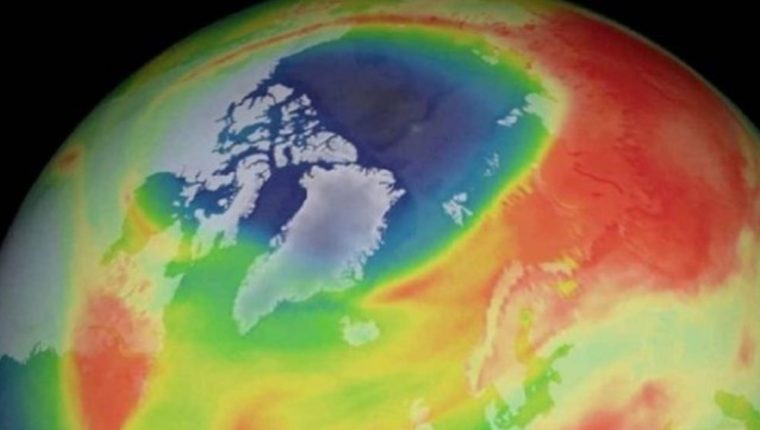

More than half of the world's population was probably exposed to very high or extremely high ground-level ozone between January and September 2026, CAMS reported. The finding is a global exposure estimate, not a direct measurement for every person.
The system combines air-quality stations, satellite observations and meteorological models to reconstruct concentrations and movement. This expands coverage where monitors are sparse, while retaining the uncertainty inherent in modeled products.
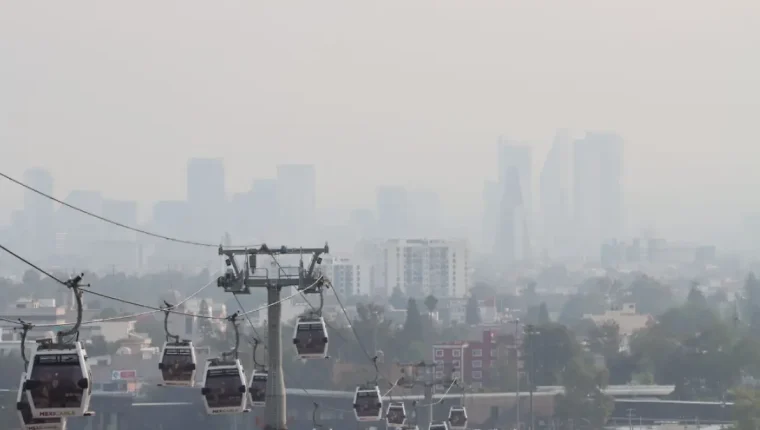
Ground-level ozone forms when methane, nitrogen oxides and other pollutants react in sunlight and heat. It can worsen asthma, inflammation and infections and cause shortness of breath; it is different from the protective ozone layer in the stratosphere.
Heat waves make the pollutant harder to reduce. Even when precursor emissions fall, higher temperatures accelerate smog-forming chemistry and can offset part of the gain, requiring stronger controls as the climate warms.
In North America, more than a quarter of the population was estimated to have faced very poor or extreme ozone air, with another 41% facing poor air. The categories use the WHO guideline, which is stricter than the U.S. standard.
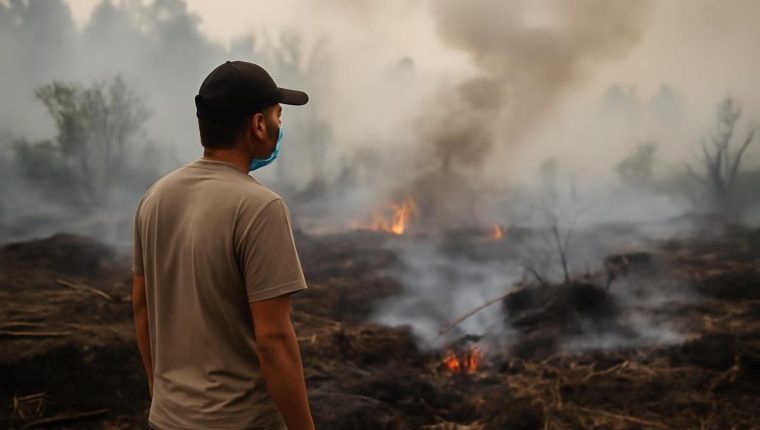
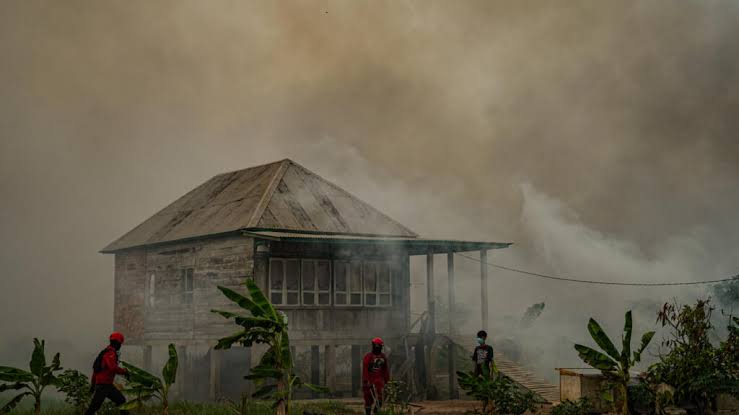
Wildfires emit nitrogen oxides, volatile organic compounds and fine particles. In 2026, smoke transported from North America and major fires in France and Spain worsened European air, combining smog with soot that harms lungs and hearts.
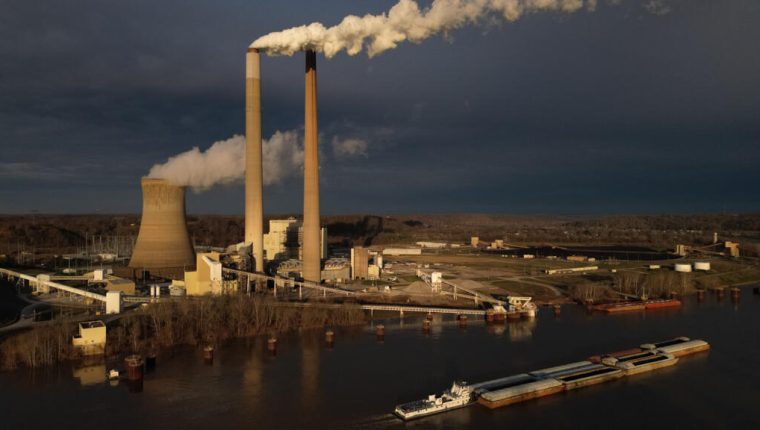
Action requires cuts to methane, NOx and organic compounds from energy, transport and industry, alongside fire prevention and health alerts. Looser rules for power plants and vehicles can raise local exposure just as heat makes ozone control more difficult.