
Colombia lost 119,483 hectares of forest in 2025, 5% more than the 113,608 hectares recorded in 2024. The official figure from the Environment Ministry and the Institute of Hydrology, Meteorology and Environmental Studies (IDEAM) shows a moderate national increase, but also a structural difficulty: after reaching a historic low of 79,256 hectares in 2023, the country has yet to consolidate that reduction.
The longer-term comparison produces a less linear result than the annual change. Forest loss in 2025 was 31% below the 2021 level and exceeded the government's target of reducing annual deforestation by at least 20% from that baseline. The balance therefore combines achievement of a four-year goal with a second consecutive year above the 2023 floor, following the 43% surge recorded in 2024.
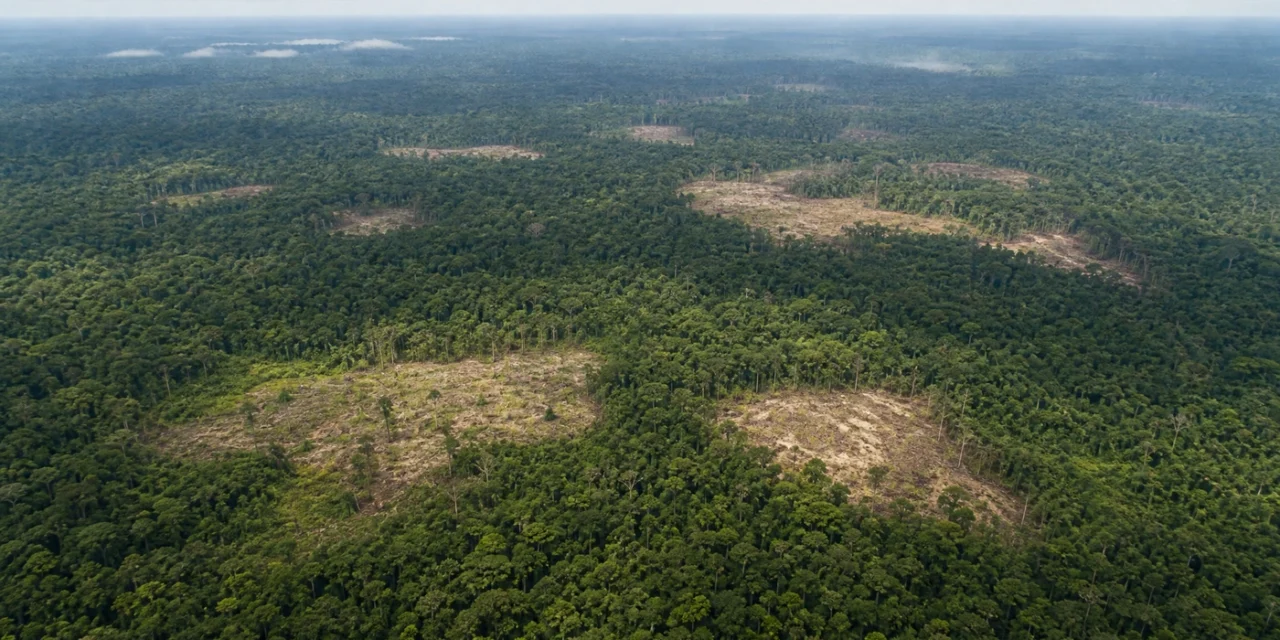
The Amazon remained the center of the problem. A total of 77,805 hectares were cleared there, more than 65% of national forest loss and virtually the same as the 77,124 hectares reported in 2024. The monitoring system identified ten active hot spots, mainly in the northwestern Amazon. Cartagena del Chairá, Mapiripán, San Vicente del Caguán and Calamar led the municipal ranking within the long-standing deforestation arc.
Authorities identify illegal land grabbing, the expansion of extensive cattle ranching and unplanned road building as the principal drivers. These processes turn the forest into a territorial asset: land is first occupied and cleared, cattle are then introduced and possession is subsequently consolidated. The power vacuum after the 2016 peace agreement with the FARC enabled economic and criminal networks to expand in remote areas, while coca cultivation does not appear as the dominant driver in the official assessment.
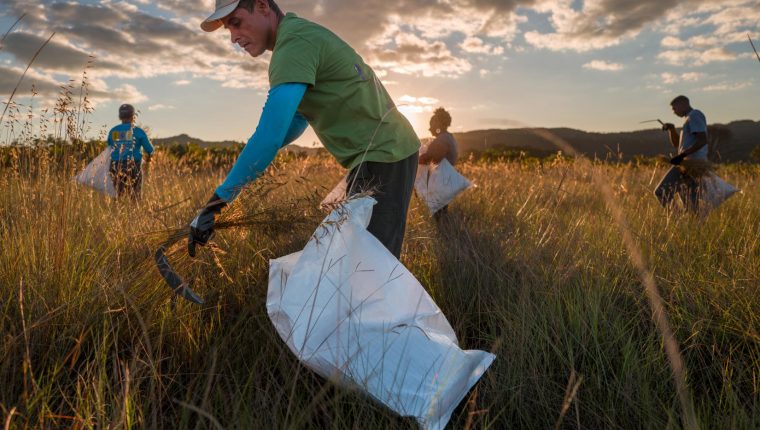
There were, however, positive results in protected areas. Deforestation inside national parks fell by almost 19% to 9,388 hectares. The government attributed the improvement to payments for community forest conservation, restoration programs and the country's first community forestry concession. It also highlighted an investigation in Mapiripán that led to 17 arrests over an alleged network connected to land grabbing, clearing and extensive cattle ranching.
The contrast between stable Amazon loss and lower clearing in parks suggests that conservation tools can work but are insufficient on their own to dismantle the profitability of illegal occupation. The cattle traceability law passed under President Gustavo Petro is intended to keep beef linked to deforestation out of supply chains. Its effectiveness will depend on identifying animals and farms, sharing data, monitoring movements and imposing consequences when origin cannot be demonstrated.
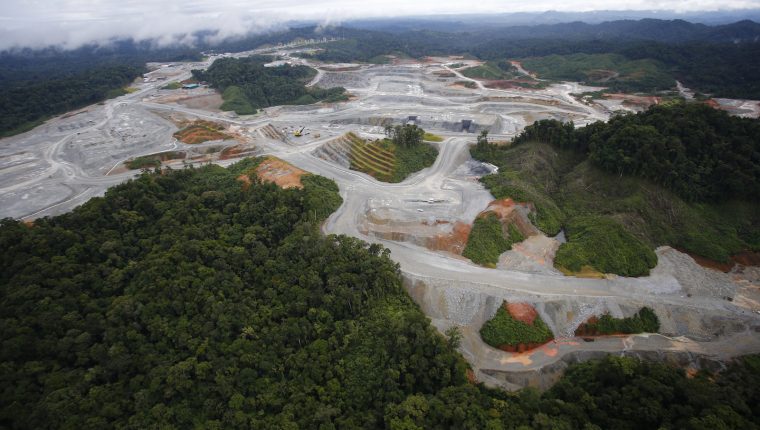
The figures now become a baseline for the incoming government of Abelardo de la Espriella, which has announced a review of environmental policies and an expansion of oil and mining development. The next measurable steps are to maintain public monitoring, focus judicial and territorial enforcement on the ten active hot spots and show that community incentives and traceability reduce actual loss. Remaining below 2021 matters; recovering and sustaining the 2023 low remains the unresolved challenge.