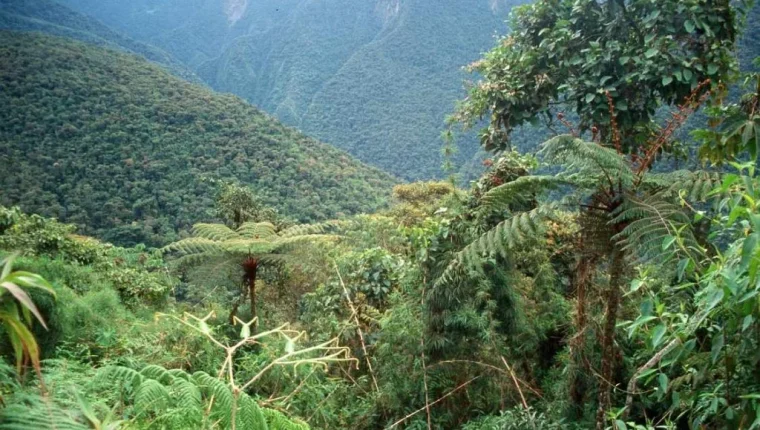

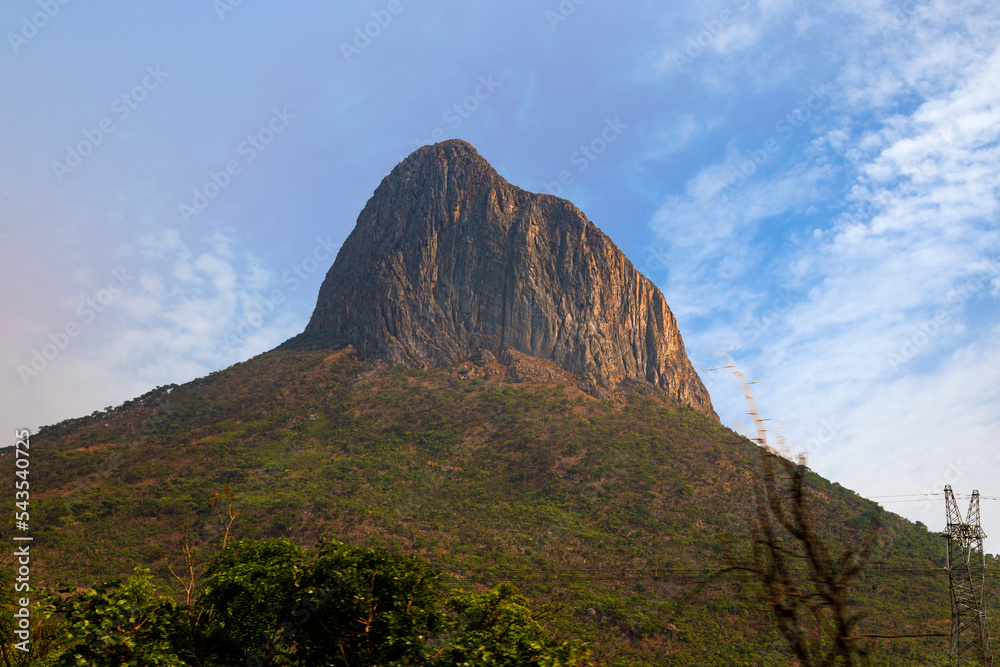
Angola established the Serra do Pingano Conservation Area in April 2026 to protect one of the country's last tropical forest fragments in northern Uige province. The decision follows a proposal made in 2010 and a 2021 scientific recommendation, but arrives after extensive conversion to farming and charcoal production.
The central mountain block lost 43% of its original forest in two decades. Across the wider Serra do Pingano forest landscape, loss reached 21%, or 536 square kilometres. Researchers estimate at least half the mountain has already been deforested, showing the cost of delayed action.
The range lies between Congo Basin rainforest and miombo woodland. It holds endemic Impatiens pinganoensis, the near-threatened Angolan dwarf galago, specialised dragonflies, undescribed amphibians and possible forest elephants, while regulating water, soil and carbon across a still poorly studied ecosystem.
Shifting farming and charcoal reflect local economic needs as well as weak control. A ban without alternatives can displace clearing or create conflict. Management must recognise uses, agree zones with villages, improve production on already cleared land and create forest-compatible income without overpromising tourism.
The designated area is smaller than the original proposal and excludes sites scientists call exceptional, some under active clearing. Precise public boundaries and evidence-based revision are needed, while corridors to neighbouring forest may be essential for mobile species and water systems.
Education, ecotourism and sustainable use in the decree require an operational authority, stable funding, trained rangers, satellite and field monitoring, transparent rules and enforcement against illegal commercial networks. Angola also needs local researchers, biological collections and results shared with residents.
Designation is an opportunity, not a conservation outcome. Success means lower loss inside and around Pingano, persistence of sensitive species and better community conditions without moving pressure elsewhere. A management plan, baseline and annual public reports would make the long-awaited protection verifiable.