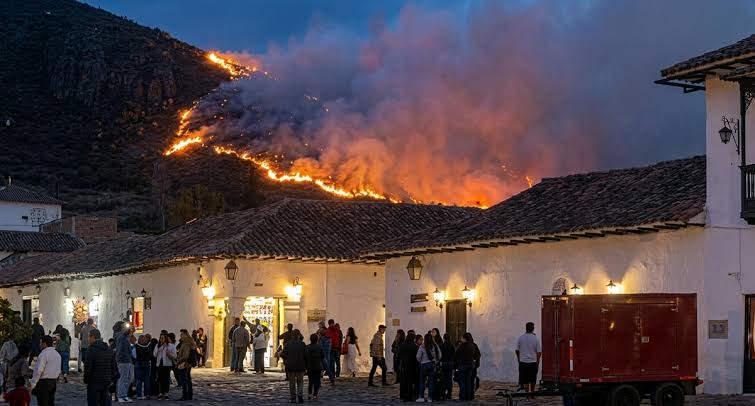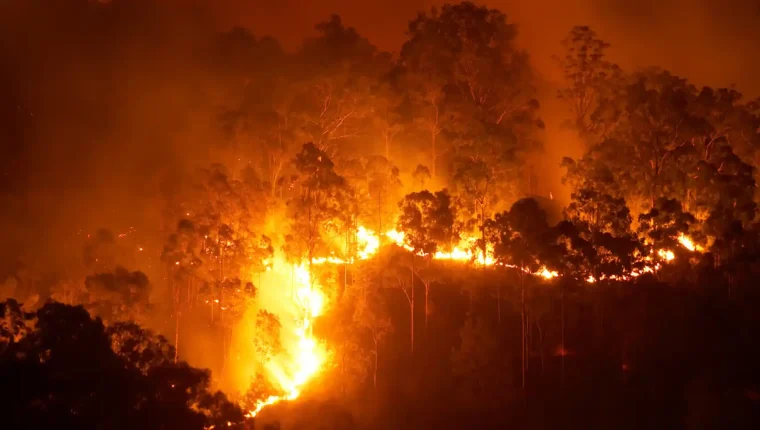

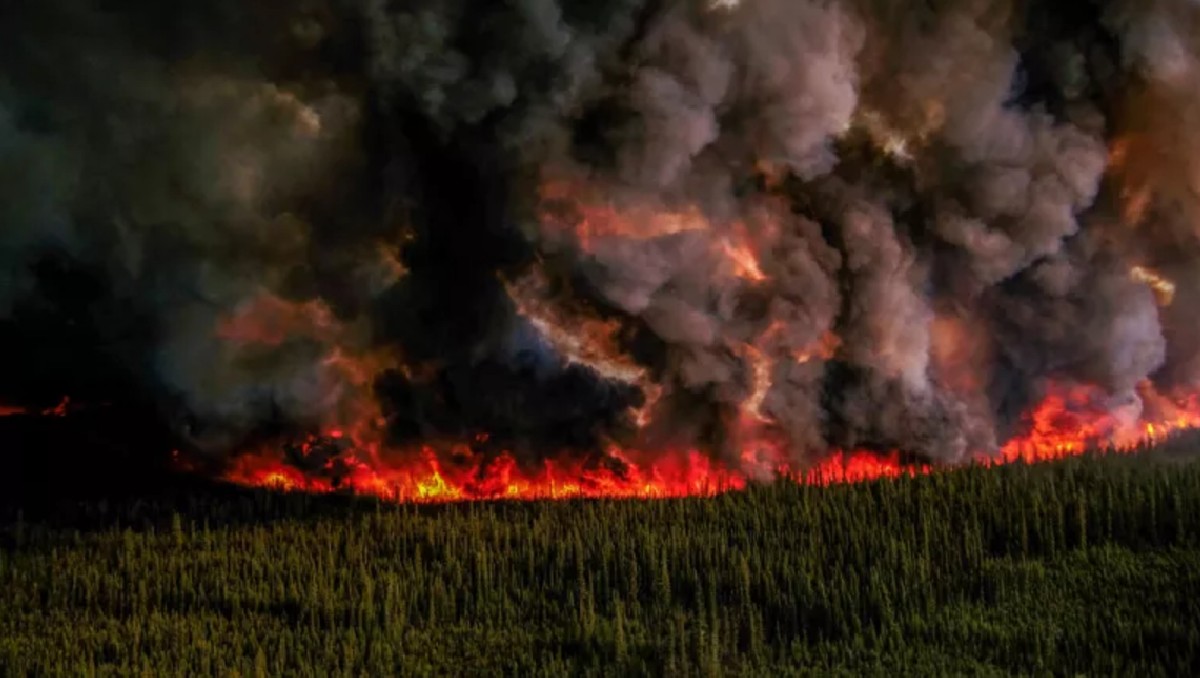
British Columbia declared a state of emergency on August 8 after the Bald Range wildfire expanded with extreme speed in the Canadian province's southern interior. More than 20,000 people had to leave their homes in Summerland, Peachland and other districts west of Okanagan Lake, the province's largest evacuation operation of the season at that point.
The estimated fire area reached about 9,500 hectares after nearly doubling overnight. Orders arrived around midnight, and many residents drove toward Penticton or Kelowna before roads closed. Rapidly changing conditions trapped people who needed rescue, and authorities confirmed homes and properties had been lost without yet having a definitive count.
Summerland, a community of about 12,000 people, lost power and issued a boil-water notice after untreated water entered the system by bypassing the treatment plant during the emergency. Peachland has roughly 6,500 residents. Damage to farms adds a production dimension in a region that contains much of British Columbia's wine industry.
The provincial declaration enables travel restrictions, supply protections against price gouging and extraordinary coordination of rescues and accommodation. At the reporting cutoff, British Columbia had 40 evacuation orders and 49 alerts. An order requires departure; an alert requires preparation. Combining the two categories can overstate or understate the number actually displaced.
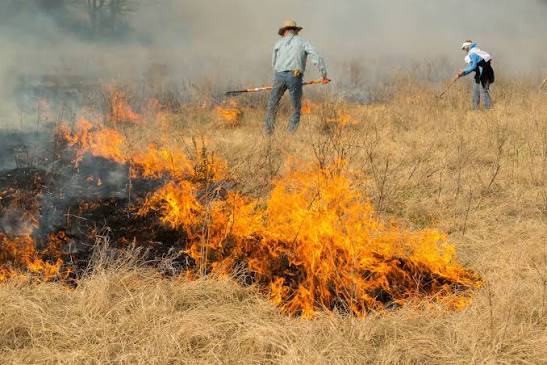
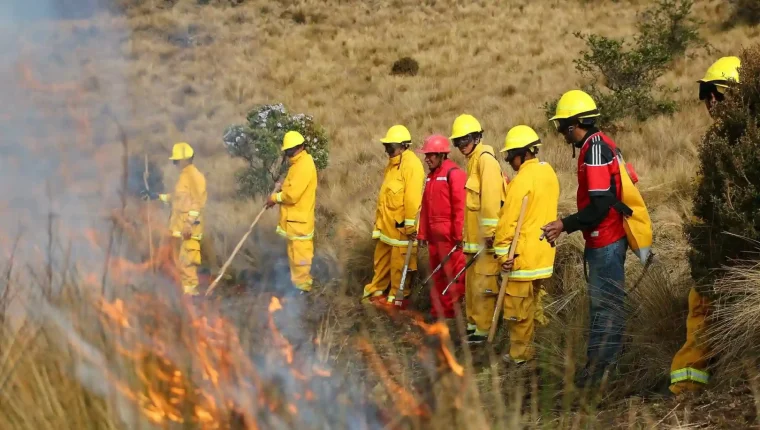
About 1,500 firefighters were battling more than 100 fires in the province under hot and dry conditions. Crews from Mexico, Australia, France and New Zealand were supporting Canada's response. Simultaneous outbreaks divide personnel, aircraft and logistics, while smoke, wind and extreme fire behavior can reduce visibility and close routes within hours.
Across Canada, wildfires had burned about four million hectares in 2026, according to the Canadian Interagency Forest Fire Centre. That national figure provides scale but does not belong to the Bald Range fire or a single event. Likewise, heat and dryness favored the spread, while the ignition source requires a separate investigation.
Immediate priorities are locating people cut off by the fire, maintaining shelters, restoring water and power, and containing the perimeter. The tally of affected structures and farms will continue to change when teams can enter safely. Evacuation figures capture the human emergency; later assessment must measure losses, water contamination, soil recovery and communities' ability to return.