The Mining Directorate of Mendoza's Energy and Environment Ministry launched the “Urban Mining: Nothing Is Lost, Everything Is Transformed” contest for students at public and private institutions. Open to secondary, tertiary and university levels, it asks participants to translate urban mining into short videos designed to inform and engage other young people.
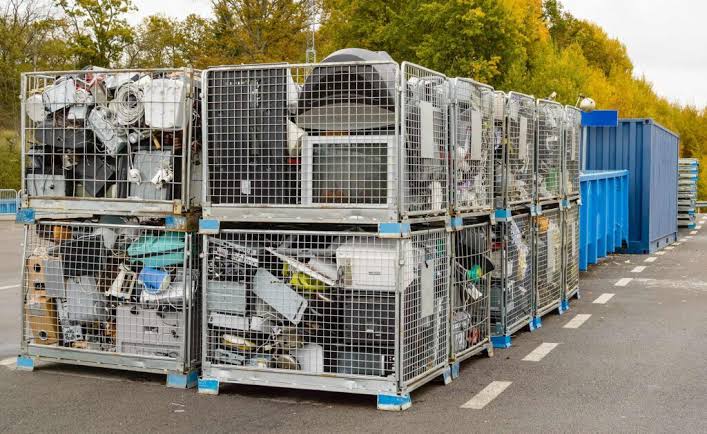
The proposal starts from a concrete idea: many discarded products still contain materials that have already been extracted and could return to production. Waste electrical and electronic equipment, end-of-life vehicles and construction waste hold metals and minerals. Recovering them reduces lost value and can ease demand for new extraction.
Javier Frías, coordinator of the Sustainable Development Area, listed lithium, copper, nickel, cobalt and rare earths among recoverable resources. He also highlighted substances such as lead and mercury, which can contaminate the environment when equipment is discarded without proper management. The contest seeks to explain both dimensions: usable resource and environmental risk.
Participants must form teams of two to four from the same institution. Entries must be original, recorded vertically in 9:16 format, no longer than two minutes, and submitted as MP4 or MOV files through the organizer's form. Pre-registration and delivery remain open until August 28; minors need authorization from their school or legal representatives.
A panel with representatives from the Mining Directorate, sponsoring companies, Reciclarg and Traperos de Emaús will assess understanding, clarity, creativity, technical quality and potential reach. Selected videos move to a public Instagram vote from September 7 to 13. Winners will be announced on September 15, with prizes presented on September 25.
Winning institutions will receive waste-separation containers, while successful classes will take themed guided visits. Those incentives can extend learning into the school environment, but the contest is not itself a collection system and does not guarantee that materials will actually be recycled. Its immediate outcome will be measured through participation, message quality and dissemination.
The later challenge is to connect awareness with verifiable channels for intake, sorting and treatment. Videos can change habits only if people who respond find clear options for delivering devices and learning their destination. After the contest, container use, visits, the reach of winning campaigns and possible operational partnerships will show whether communication becomes circular practice.