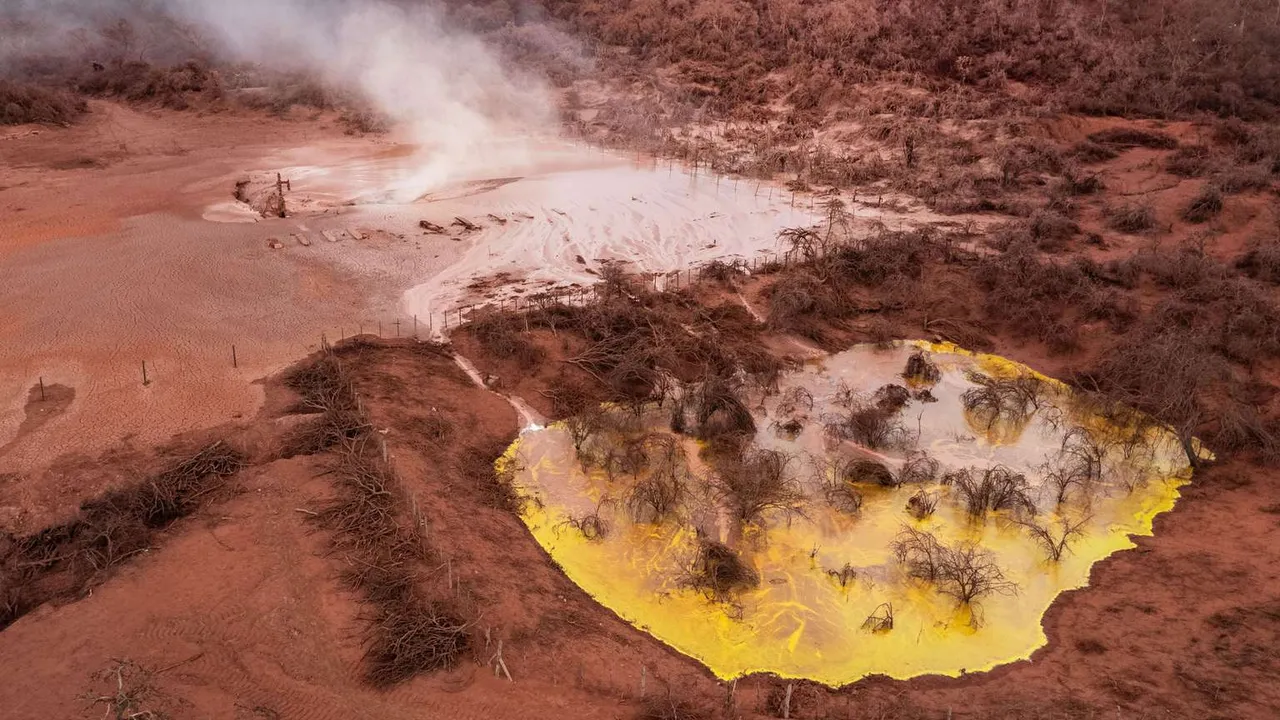
The LO-X10 well in Lomas de Olmedo, Salta, continues releasing gas and hydrocarbons into transition forest between the Dry Chaco and Yungas. YPF drilled it in 1983, it never produced commercially and was never properly sealed; since 2022, roughly 20 hectares have dried and become coated.
The site is a conservation priority and important bird area that includes the threatened crowned eagle. Biologist Matías Arrigazzi says mature native forest recovery may take more than a century, so sealing the source is only the beginning.
Neighbouring rancher Aureliano Reyes filed the complaint behind a criminal case and reported 350 cattle and horses dead plus soil and groundwater damage. Those are allegations requiring forensic links between exposure, chemicals and mortality, not a final judicial finding.
The concession changed hands six times from 1991 to 2015. Last operator President Petroleum inherited the well and entered bankruptcy in 2024. Its legal representative faces a preliminary pollution investigation and the defence has sought nullity.
Salta also sued the six companies and the national state under joint environmental liability. On October 23, a court gave YPF and President Petroleum ten business days to present closure and containment plans; YPF offered cooperation while disputing responsibility.
After revocation, the area returned to Salta and temporary state company REMSa control, limited to emergency safeguarding and baseline study. Full work requires pressure control, cementing, fluid removal, plume mapping and soil and water treatment.
A coordinating authority, secured budget and public milestones must stop the source first, then monitor air, water, soil, biodiversity and animal health. Liability litigation cannot leave the environment waiting as collateral.