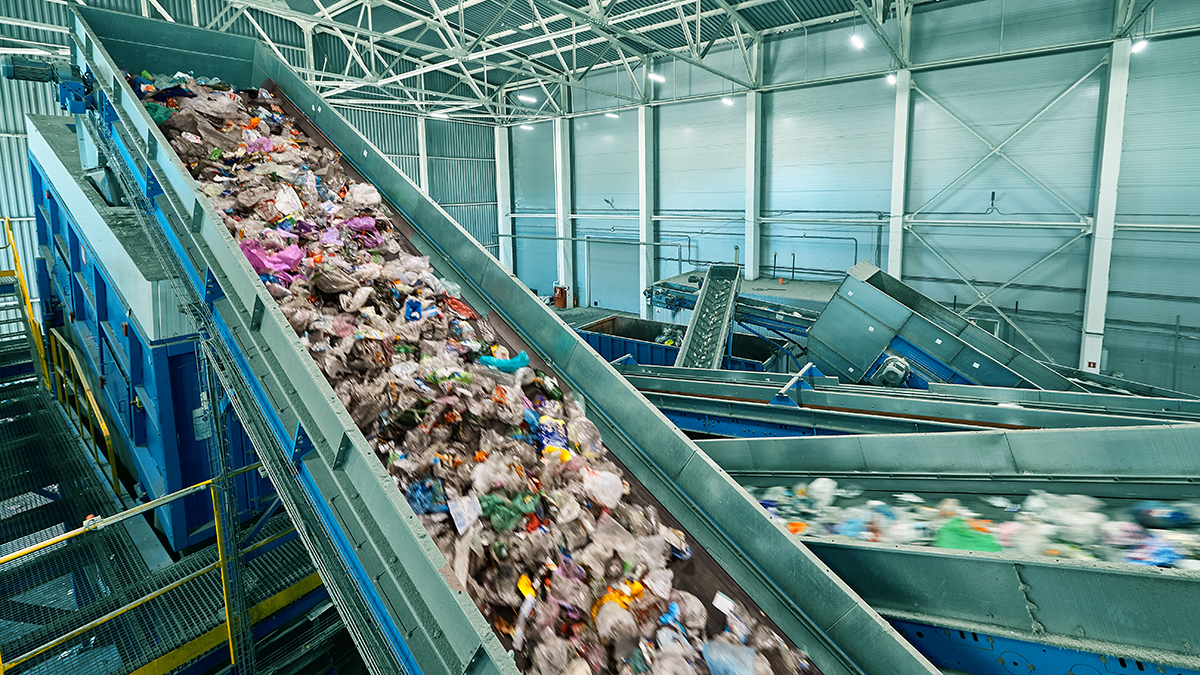
The 2026 Recycling Leaders Forum, held in Mexico, consolidated the country as a key player in the transition towards a circular economy in Latin America. The event featured representatives from ECOCE, PETSTAR, Arca Continental, and the Monterrey Institute of Technology, who agreed that recycling has ceased to be an environmental trend to become a structural strategy for competitiveness, investment, and economic development[reference:10].
The new General Law on Circular Economy was highlighted as the regulatory framework driving this transformation, aligning industry, academia, government, and society in an integrated ecosystem[reference:11]. From ECOCE, Montserrat Ramírez emphasized the system's evolution: from promoting recycling in an incipient market to building an articulated management and environmental education ecosystem, stressing that the new legislation opens a stage of broader coordination where citizen co-responsibility will be key[reference:12].
PETSTAR's "bottle-to-bottle" model was recognized as one of the most advanced in the world. Carlos Mendieta explained that the system has required investments exceeding $280 million, a national container recovery network, the social inclusion of waste pickers and their families, and a traceability system that certifies recycled resin globally[reference:13]. This approach combines environmental sustainability with human rights, ensuring dignified conditions for those who participate in the recycling chain[reference:14].
David Moreno, corporate sustainability manager at Arca Continental, stated that circularity is integrated into the business model, especially in packaging design. In 2025, the company reached an average of 36% recycled resin in its packaging, demonstrating that the circular economy is a value enabler and not a restriction[reference:15].
The Monterrey Institute of Technology highlighted the role of research in the transition towards circularity. Jorge Membrillo explained that Mexico has moved from mitigating waste to a regulated model with extended producer responsibility. The Tec is developing sandboxes to test technologies, public policies, and strategies with artificial intelligence, including bioplastics and chemical recycling[reference:16].
The forum identified key challenges to consolidate the model: source separation, strengthening citizen co-responsibility; social awareness, integrating waste pickers into the formal system; technological innovation in bioplastics and chemical recycling; and environmental education to foster responsible consumption habits[reference:17].
Inclusive recycling was highlighted as a central axis. It is not just about recovering materials, but about recognizing who participates in the process and ensuring they obtain social and economic benefits, turning recycling into a tool for human as well as environmental development[reference:18]. The Forum concluded that Mexico is advancing towards a solid circular economy ecosystem based on investment, innovation, social inclusion, and progressive regulation, consolidating itself as a regional leader in PET recycling and industrial circularity models[reference:19].