
North Wales and the Upper Severn basin have officially entered drought after successive heatwaves, exceptionally low river flows and widespread wildfires. Natural Resources Wales declared the new status while the rest of the country remains under prolonged dry conditions, indicating that the water deficit is no longer an isolated weather episode and is now affecting landscapes, ecosystems and productive activities at the same time.
The two drought areas had received less than 2% of the rainfall expected for July. The Clwyd, Alwen, Alyn, Clywedog, Dyfi and Conwy rivers in north Wales, together with the Wye, recorded new monthly minimum flows or approached their historic lows. If the pattern continues, July will become the driest month recorded in Wales for nearly two centuries.
The declaration does not depend on a single numerical threshold. The environmental authority combines a significant shortage of rainfall and available water with impacts on rivers, groundwater, ecosystems, agriculture and land management. One week earlier, north and south-east Wales had moved into the preceding “prolonged dry weather” stage, triggering additional checks on waterways and protected sites as well as reservoir releases to support depleted rivers.
Wildfires have turned water scarcity into a visible emergency. Several fires were still burning after more than a week, and the Welsh government activated crisis plans as the blazes spread and concern grew over the availability of firefighting helicopters. Dry vegetation increases the risk of further propagation, while the response to the fires places additional operational pressure on water resources.
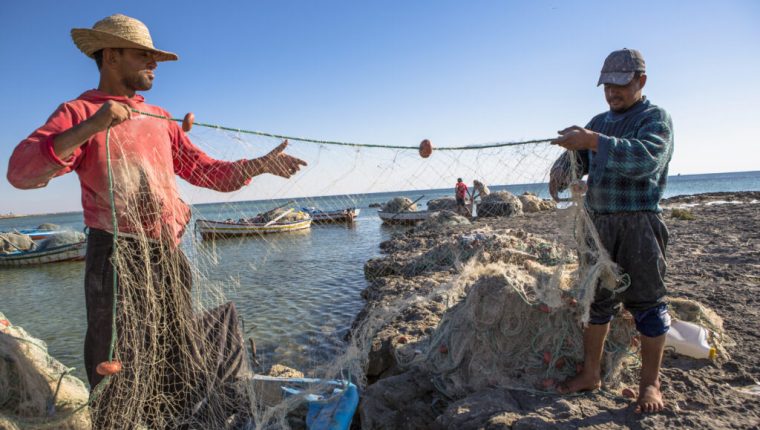
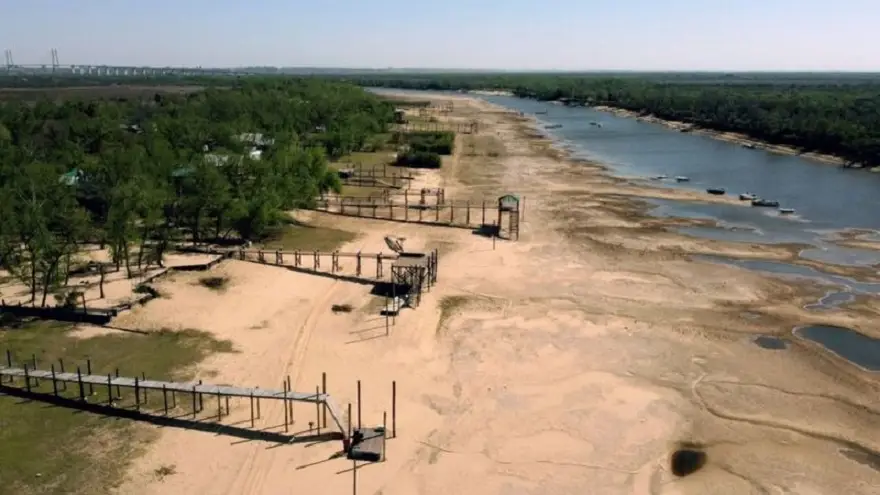
The effects already extend to fish, wildlife, crops and sensitive habitats. Lower flows reduce available habitat and degrade river conditions, while groundwater continues to decline. Reports of damage to fisheries and farms are also increasing, making the drought both an ecological crisis and a source of potential losses for food production and rural management.
Reservoirs managed by Welsh Water remain healthy overall, but those reserves have not removed the need for consumption restrictions. A hosepipe ban is already in force in parts of west Wales, and about 23 million people will be covered by similar measures in England and Wales by the weekend. England received only 3% of its long-term average July rainfall, while the south and east recorded none, creating the longest rainless spell since the mid-1990s.
Agriculture has begun adapting before the season ends. Farmers brought harvests forward and were warned that cereal yields will fall below expectations. The immediate precedent shows that recovery can take months: the drought declared last summer across much of England, Wales and eastern Scotland did not officially end until March, after a wet autumn and winter replenished rivers and reservoirs.
The climate outlook makes the challenge increasingly structural. By 2070, UK summers are projected to be between 1°C and 6°C hotter and up to 60% drier than in 1990. The next moves are already being set by the emergency: intensified monitoring of rivers, groundwater and protected sites, reservoir releases where required, consumption restrictions and a deeper review of whether the water system can retain supplies and withstand more extreme summers.