
Amazon's global use of single-use plastic delivery packaging remained virtually unchanged in 2025 despite progress in replacing bags and fillers with paper alternatives. Total volume was 74,073 metric tons, compared with 74,137 tons in 2024. The difference amounts to a plateau after the much larger reduction recorded in the previous year.
North America accounted for 92% of the total, with 68,169 tons, 0.7% less than in 2024. Europe, however, increased its use by 34% to 1,199 tons, while the rest of the world rose 2% to 4,678 tons. The figures show that regional improvement can coexist with growth in smaller markets and that the global result must be assessed by mass, not only by the number of packages changed.
Amazon reported that converting automated packaging machines to paper-based materials avoided 288 million plastic bags in North America during 2025. That was more than double the 134 million reported for 2024. The company also removed plastic air pillows from global fulfillment centers, a visible prevention measure, although total tonnage indicates that other formats and operational growth offset much of the saving.
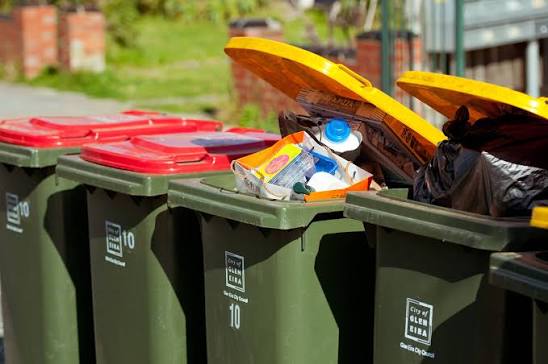
The share of North American shipments containing single-use plastic delivery packaging fell from 37% in 2024 to 27% in 2025, after standing at 65% in 2023. Shipments using materials recyclable in household systems rose to 73%, ten percentage points higher than the previous year. Amazon did not disclose the total number of shipments or the weight behind those percentages, limiting comparisons of plastic intensity per delivery.
Organizations including As You Sow and Oceana acknowledge the move away from flexible delivery packaging but are seeking absolute reduction goals and fuller disclosure. The main gap concerns product packaging sold through Amazon, Whole Foods and private brands such as Happy Belly. Without a separate measure for those pouches, bags and packs, the delivery indicator does not represent the business's entire plastic footprint.
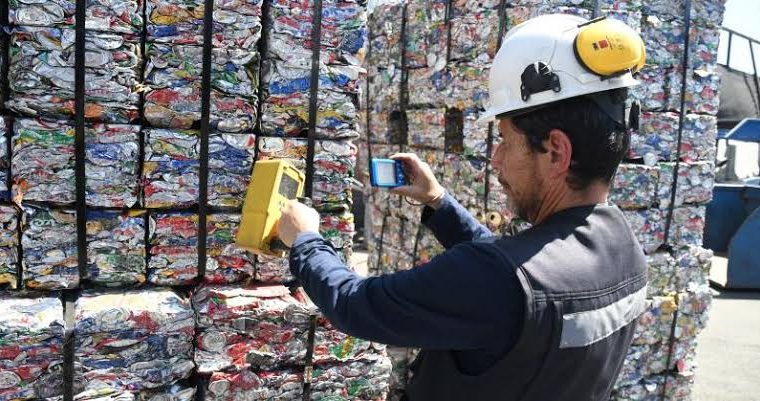
Amazon's internal waste recycling rate also remained flat: 82% in 2025, compared with 83% in 2024 and 82% in 2023. Transport and handling materials dominate fulfillment-center waste, with cardboard and wood making up 64%. The company deployed an artificial intelligence sorting assistant, expanded recovery of label liners and installed balers to compact plastic film for transport.
The overall picture combines packaging-design progress with an absolute reduction that has stalled. Replacing plastic with paper may improve household recyclability, but fiber use, weight, energy and local recovery systems also require assessment. The next verifiable step is for Amazon to publish comparable reduction targets, disclose product packaging and show whether prevention, reuse and sorting investments can consistently lower total tonnage.