
Indian company ProClime and Japan-based sustainable investment manager Cadira Capital Management have signed a memorandum of understanding to develop an Indian biochar platform. Their first target is to mobilize $10 million and finance seven plants across six states.
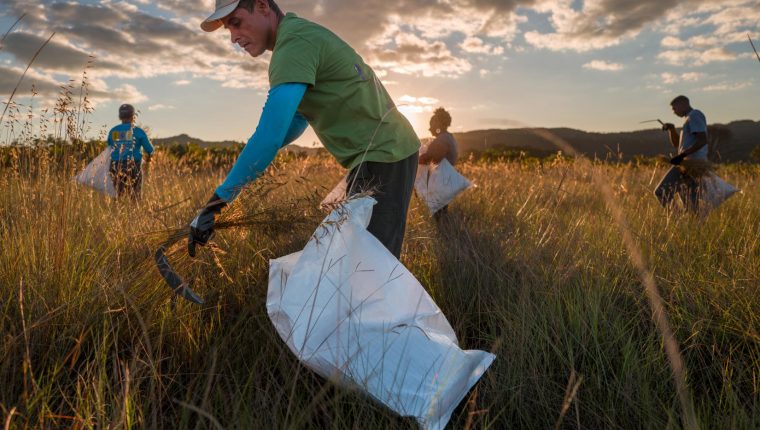
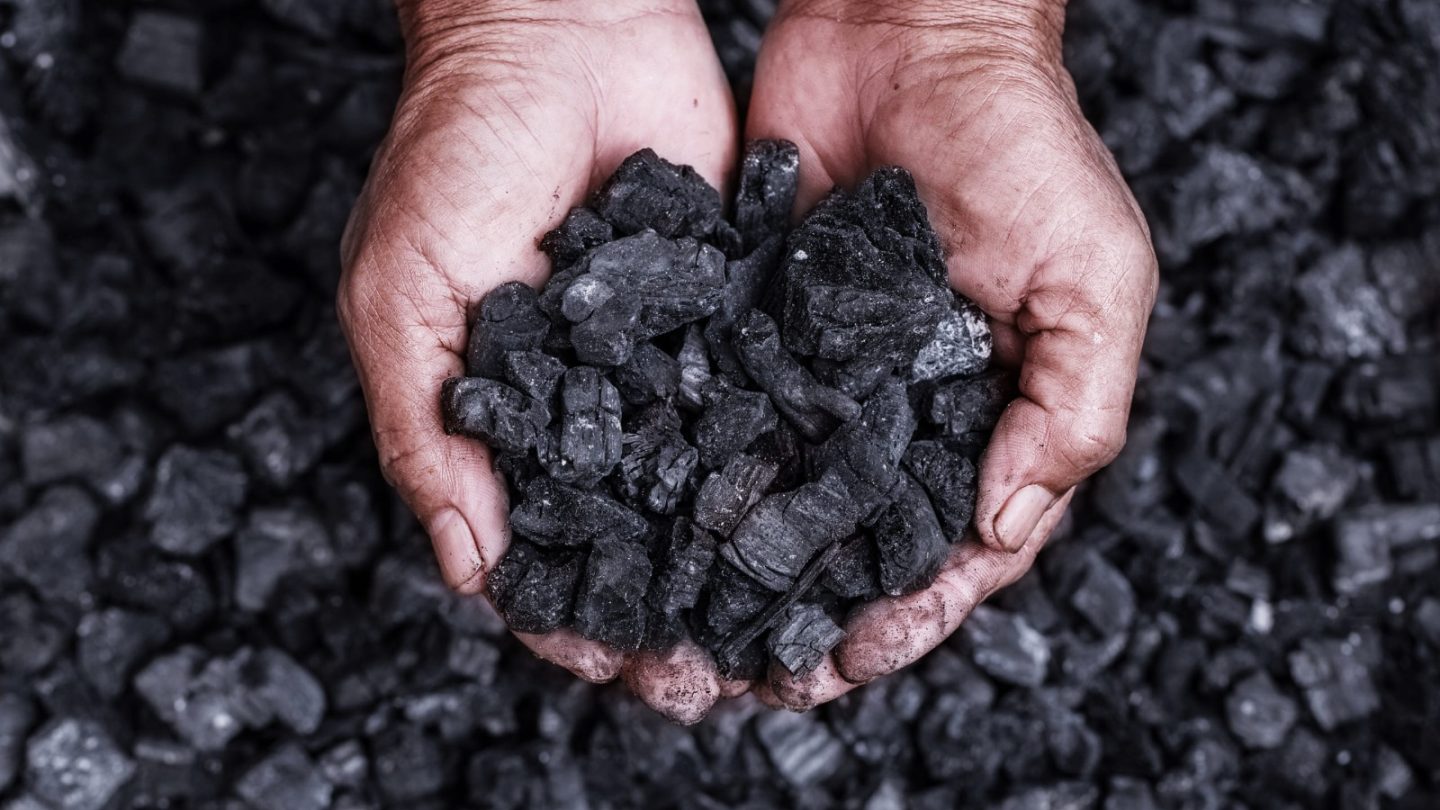
The facilities would use agricultural residues, waste forest biomass and invasive species as feedstock. Through pyrolysis, heating with little oxygen, part of the biomass carbon is stabilized in a solid material that can be applied to soils or used in other products, delaying its return to the atmosphere.
The partners project about 35,000 carbon-dioxide-removal credits per year under Puro.earth and Isometric standards. That figure is not issued credits: it depends on construction, sustainable feedstock and the measurement, verification and registration of each ton.
The MOU assigns roles. Cadira will lead capital formation and management; ProClime will handle feedstock, operations, community engagement, credit origination and long-term monitoring. Raicho Capital structured the collaboration and serves as adviser.
Biochar can combine durable removal, waste management and improvements to some soils, but its balance is not automatically positive. Integrity requires avoiding induced harvesting, biomass competition, excessive transport, pyrolysis pollution and double counting. Additionality and claimed storage duration must also be demonstrated.
In India, the platform aims to turn dispersed residues into an industrial chain that creates jobs and supports land restoration. Operating across six states will require traceable contracts, local benefits and scrutiny of previous biomass uses; calling a material waste does not erase its ecological or productive value.
The next milestone is not credit sales but financial close, transparent site selection and detailed plant development. Commissioning, audits and issuance would follow. The project should be judged by capital actually mobilized, feedstock quality, local environmental performance and verified removals rather than the volume announced in the MOU.