
The US Environmental Protection Agency announced the repeal of rules limiting greenhouse gas emissions from coal- and gas-fired power plants. The decision reverses a central element of Joe Biden’s climate policy and changes the direction of federal regulation under Donald Trump. Repeal will take effect soon after publication in the Federal Register.
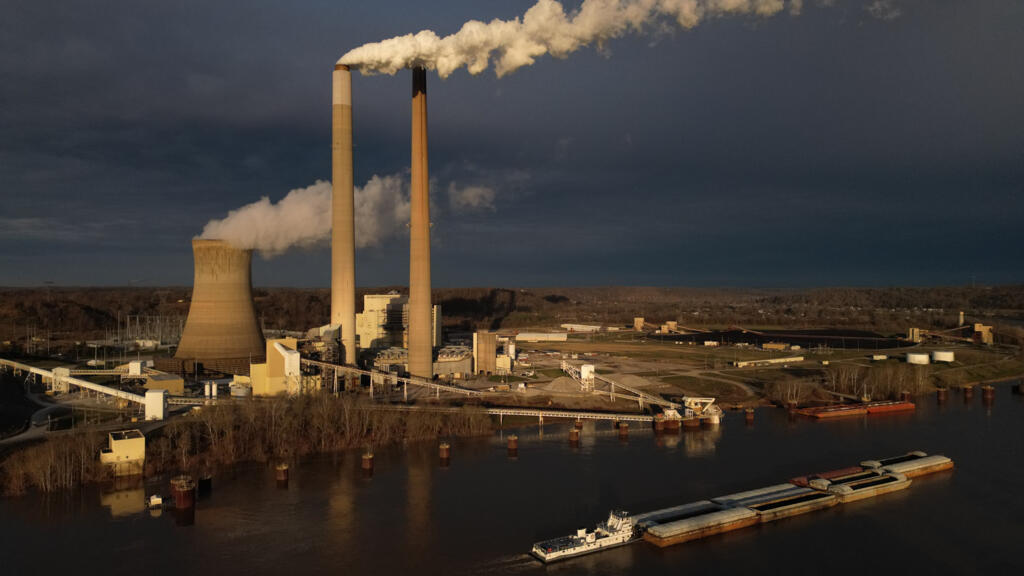
The 2024 rule required certain coal plants to capture smokestack emissions or close. The EPA now says withdrawal lets utilities decide according to costs, savings and reliability for ratepayers. It estimates that industry will avoid more than US$300 billion in costs and presents the change as part of its strategy to expand energy supply.
The administration also announced a separate proposal that could prevent future governments from regulating climate pollution from power plants. That second instrument is not final and is expected to complete its process next year. It follows a February decision removing greenhouse gas standards for cars and trucks and withdrawing a scientific basis long used to regulate those emissions.
Coal-, gas- and oil-fired plants produce about one quarter of US climate pollution, second only to transportation. The change therefore affects a structural source of carbon dioxide. In its original proposal, the EPA argued that emissions from these plants are a small and declining part of the global total and do not reach the Clean Air Act threshold for regulation.
Environmental and health organisations promised legal challenges and warn of more warming and associated pollution. An AP review estimated that the wider set of environmental regulations targeted by the administration could prevent about 30,000 deaths and save US$275 billion for every year in effect. That estimate covers multiple rules and cannot be assigned solely to the power-plant rule now repealed.
Coal industry representatives supported the withdrawal, arguing it will protect grid reliability and consumers as demand rises from data centres, artificial intelligence and manufacturing. Opponents say clean and reliable technologies are already available and emissions worsen heat, floods, storms and insurance costs. The positions foreshadow technical, economic and legal disputes.
The announcement coincided with a G20 ministerial meeting on energy abundance in Houston. Yet the sequence is unfinished: repeal needs publication, courts will examine its legality and the future-administration proposal follows another process. Impact should be measured in actual emissions, power mix, prices, reliability and health, without turning projected savings or harms into observed results.