
Voluntary surrender is the main route by which small wild cats enter Colombia’s environmental-authority care system, but it leaves unanswered how they reached human hands. A Biological Conservation study examined more than 600 official records and found that over 60 per cent used this category, far above confiscations and seizures.
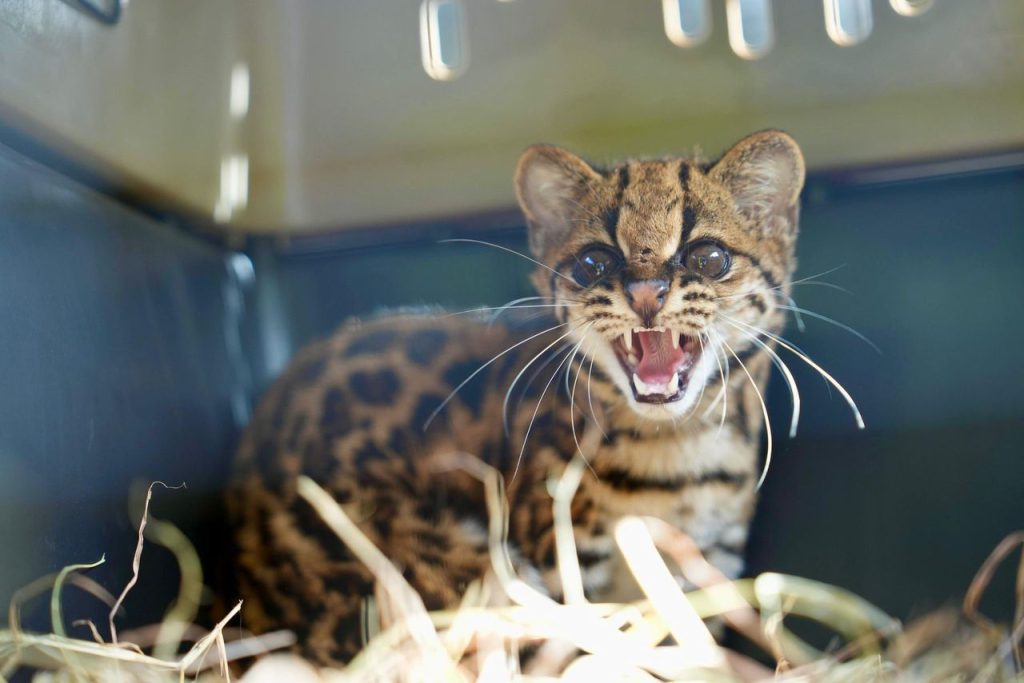
From 2015 to November 2021, researchers documented 643 voluntary surrenders involving 708 animals from 11 species. Ocelots, Leopardus pardalis, made up 56.7 per cent, nearly five times the oncilla, the second most frequent species. The figures describe recorded admissions, not the total wild population or the full scale of clandestine trade.
The procedure lets a person hand an animal to an authority for care, rehabilitation and, where possible, release. That exit route can save wildlife held in poor conditions. Yet a surrender does not show whether there was a good-faith rescue, isolated illegal possession or a purchase connected to a commercial chain.
The legal issue starts with the definition in an annex to Resolution 2064, which includes regret, illness, aggression or finding an animal, while Colombian law otherwise prohibits unauthorised possession of wildlife. The Environment Ministry says voluntary surrender cannot automatically be equated with trafficking; each case must be assessed.
Traceability is inadequate. No consolidated national system is operating, and many regional corporations keep separate spreadsheets with blank fields, different formats and incomplete identifications. Ocelots, margays and oncillas can be confused without training. A national wildlife-information portal promised since 2009 is under review with no public relaunch date.
Prosecutors cannot determine how many criminal cases began with voluntary surrenders because their systems lack that variable. Receiving an animal does not automatically open a criminal report, and repeat involvement cannot be systematically tracked. Regional approaches also differ: some emphasise education, while others assess sanctions case by case.
The study does not conclude that every surrender conceals trafficking or accuse surrendering people of criminal networks. Its finding is institutional: Colombia lacks consistent data to separate rescue, possession and commerce. Better forms, species identification, interoperability and judicial follow-up could reveal patterns without discouraging the immediate surrender of an animal needing protection. The task is to preserve a safe exit while recovering each animal’s missing history.