The United Nations recognized the Articulation for Cerrado Restoration, known as Araticum, as one of three new World Restoration Flagships. UNEP and the FAO announced the distinction on 26 August during the UNCCD COP17 in Mongolia. The other initiatives selected operate in the Sahel and Saudi Arabia.
Created in 2020, Araticum connects more than 180 organizations and brings together Indigenous Peoples, quilombola and local communities, farmers, researchers, and public and private institutions. The network supports projects across nine Brazilian states and the Federal District. Its collaborative structure seeks to coordinate actions that would struggle to reach the Cerrado’s territorial scale on their own.
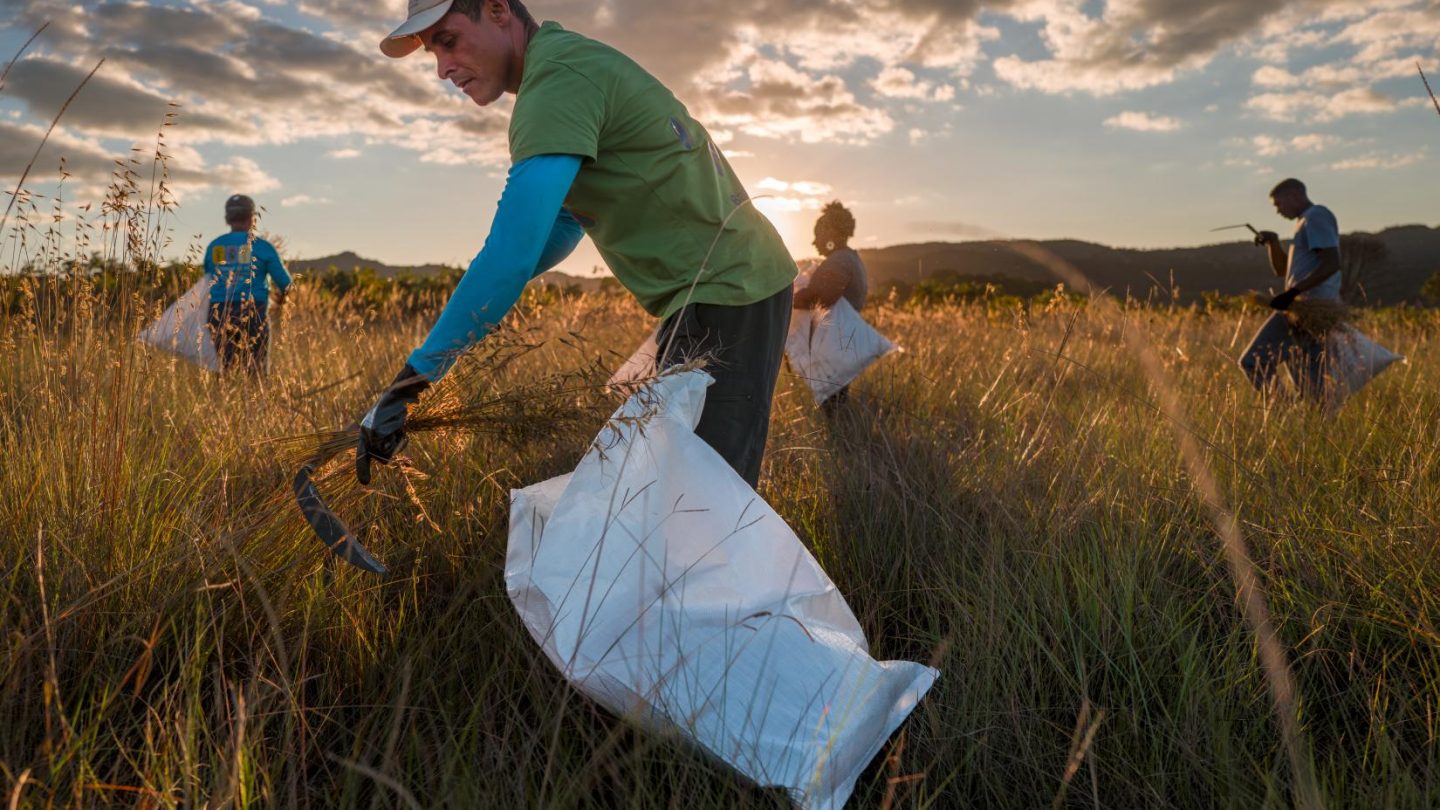
According to the UN assessment, more than 27,000 hectares were under restoration by June 2026, and seeds from over 150 native plant species had been collected and used. Methods include natural regeneration, direct seeding, ecological restoration, and agroforestry. This mix matters because the biome’s forests, savannas, and grasslands do not respond to one formula and should not become uniform plantations.
The stated goal is to bring two million hectares under restoration by 2030. The gap between the current area and that target reveals the size of the task: the award validates a model and its potential, but it does not certify that the future result is secured. Delivery will require stable finance, native seed supplies, local teams, agreements with landholders and communities, and protection against renewed land conversion.
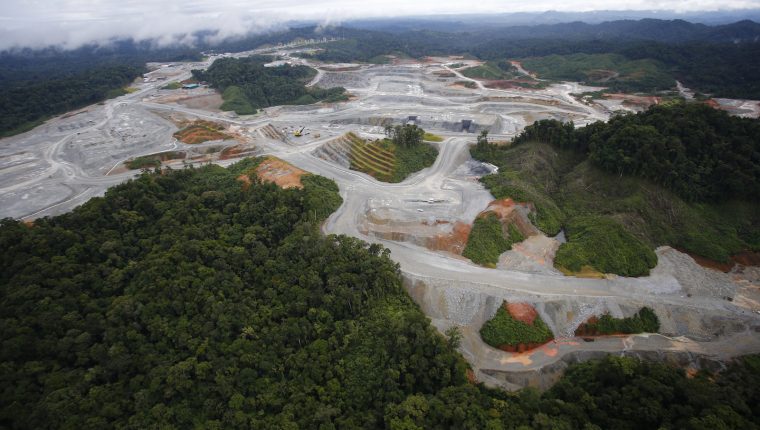
The Cerrado has already lost more than half of its native vegetation to agricultural expansion and other land-use changes. Degradation fragments habitat, releases carbon, and threatens headwaters that supply several of Brazil’s major river basins. Restoring ecological function means rebuilding infiltration, soils, connectivity, and diversity, not merely increasing a count of treated hectares.
Participation by traditional communities is also a condition of quality. Knowledge of seeds, fire cycles, productive uses, and territorial management can prevent mistakes and distribute benefits more fairly. Restoration must also generate income and autonomy without turning the biome’s stewards into precarious suppliers in a value chain controlled elsewhere.
The recognition places Araticum within an international monitoring framework for flagship projects. Decisive indicators will include native-species survival and diversity, water and soil recovery, landscape connectivity, local jobs and income, and the durability of results. The 2030 target will be environmentally credible only if every reported hectare represents a functioning and lasting ecosystem.