Brazil has become a leading destination in the international race for rare earths, minerals essential to magnets, electronics, electric vehicles, wind turbines and defence systems. An Associated Press and Repórter Brasil analysis counted 2,727 exploration applications filed with the National Mining Agency through June. The country estimates reserves of 21 million metric tons, the world's second-largest volume after China.
The acceleration is recent: more than 86% of applications were filed in the past three years, including 268 in the first half of 2026. Forty-two per cent came from subsidiaries of foreign mining groups or companies with foreign stakes, and eleven of the top twenty applicants have outside backing. Australia leads with 695 applications; U.S. companies have 347, including 181 held by Alpha Minerals Brazil.
Industrial demand explains the interest. The International Energy Agency estimated rare-earth demand could at least triple by 2040, while China has restricted exports and dominates processing. The United States responded with public support: Serra Verde, Brazil's only commercial producer, secured $565 million in financing and was acquired by USA Rare Earth for about $2.8 billion in a transaction linked to up to $1.6 billion in federal backing.
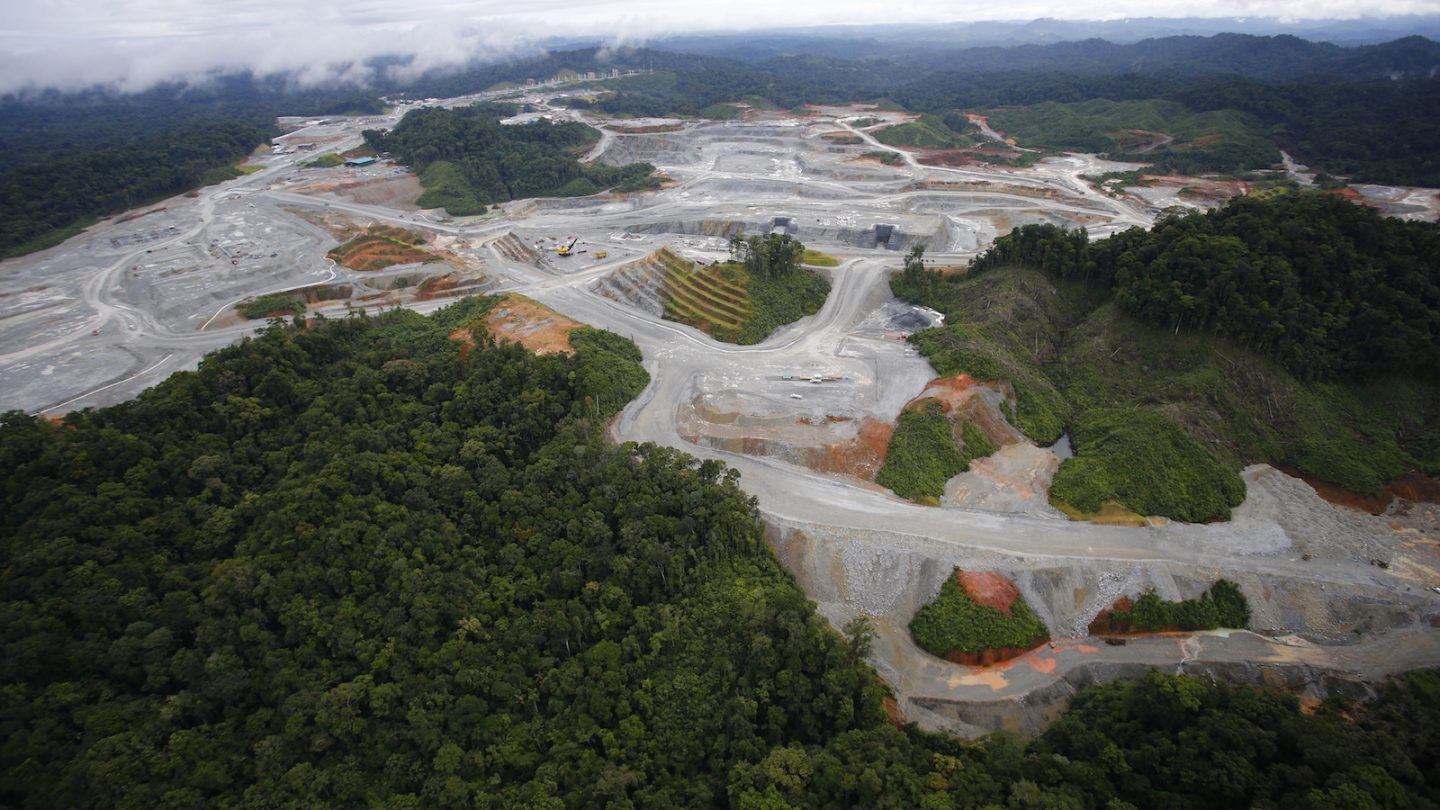
The application map creates an environmental conflict. At least 25% overlap or lie within ten kilometres of 283 protected areas and Indigenous territories. Depending on ore and process, mining and separation can release toxic substances, generate radioactive waste, clear vegetation, produce dust and noise and pollute water. Proximity also matters because rivers, aquifers, wildlife and roads do not follow a claim's formal boundary.
An application is not a mine. Moving from exploration to production usually takes five to ten years and requires technical studies, a mining plan, environmental licensing and consultation where Indigenous territories are affected; very few prospects become viable. The distinction prevents exaggerating immediate occupation, but also defines the window for land-use planning and cumulative assessment before investment makes decisions harder to reverse.
Communities want involvement from the beginning. In Goiás, Aclara Resources claims initially overlapped territory used by about thirty families in the Afro-Brazilian Família Magalhães community. The company says no mining will occur inside the community, but residents fear impacts on springs and wildlife. Faster permits without independent information, consultation and financial guarantees can shift the cost of a supposedly green supply chain onto local people.
Brazil is also debating value capture and sovereignty. Pending legislation proposes federal priorities, a national council, scrutiny of foreign influence and technology transfer so minerals are processed domestically; China had no direct applications through June but advanced through acquisitions and partnerships. Success should be measured not only by permits or exports, but by domestic processing, jobs, water, waste, restoration, consultation and effective exclusion of irreplaceable areas.