
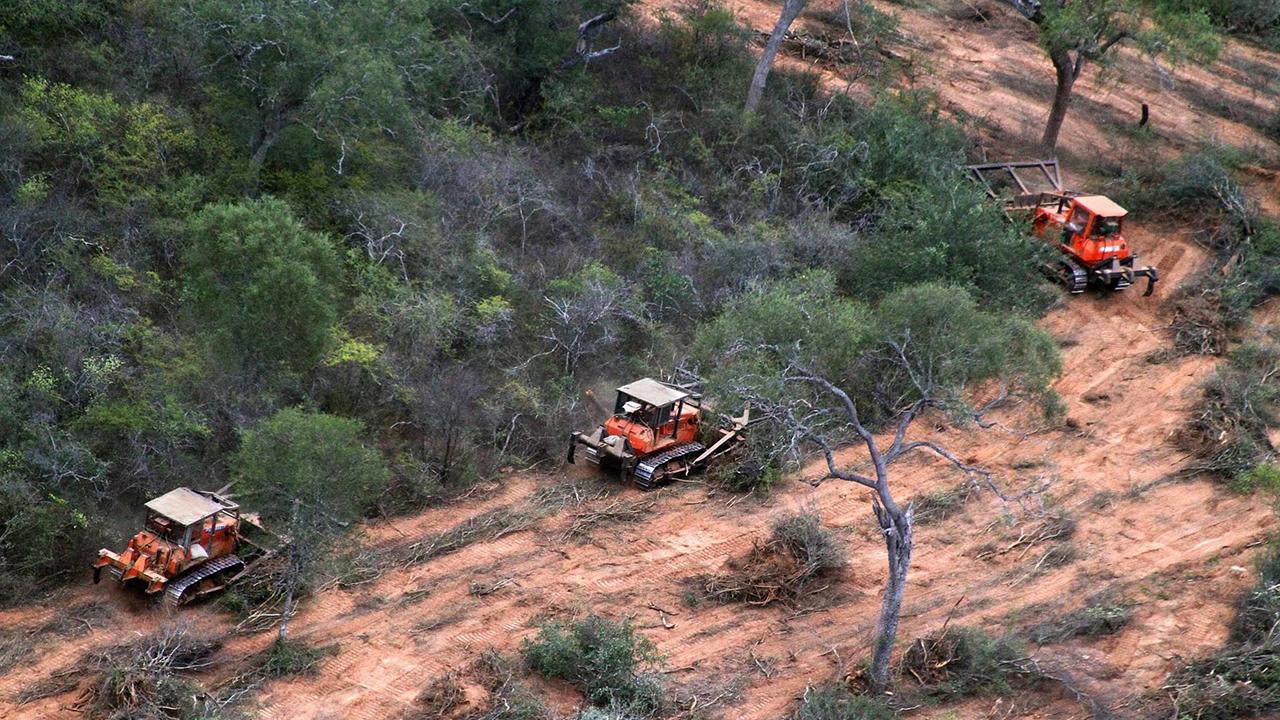
Santiago del Estero, Salta, Formosa and Chaco lost 40,862 hectares of native forest during the first half of 2026. The estimate comes from Greenpeace's comparison of satellite images and represents roughly twice the area of the City of Buenos Aires.
The loss was unevenly distributed. Santiago del Estero accounted for 20,727 hectares, slightly more than half the total; Salta recorded 11,960; Formosa, 4,375; and Chaco, 3,800. Salta also stands out because clearing there doubled compared with the same period in 2025.
Satellite monitoring can detect land-cover change across vast territories, but an effective public response requires a second information layer: determining which interventions were authorized, which affected areas protected under forest zoning and who must answer for possible violations. Without a link between detection, inspection and case files, an alert may fail to become prevention.
The organization questioned whether financial fines can deter illegal clearing. Forest campaign coordinator Hernán Giardini said some operators absorb penalties as a production cost or challenge them in court. The issue calls for timely controls, traceable permits, restoration orders and proportionate sanctions, as well as stable funding for environmental authorities.
Loss of Chaco forest removes habitat, fragments biodiversity corridors and weakens functions that support production and community life. Vegetation regulates water and temperature, protects soils and stores carbon; removing it can worsen erosion, drought and flooding while increasing pressure on Indigenous and rural communities that depend on the land.
Argentina endorsed the 2021 Glasgow political goal of halting and reversing forest loss by 2030. The 40,862 hectares do not measure the country's entire performance, but they show that delivery cannot rest on broad commitments: it requires verifiable provincial targets, budgets, comparable public data and coordination between national and provincial governments.
The decisive next step is to turn the survey into site-level action and preventive policy. Publishing early alerts, matching them with land registries and permits, inspecting promptly and requiring restoration where appropriate would shift management from documenting damage afterward to conserving forests while organizing productive activity.