

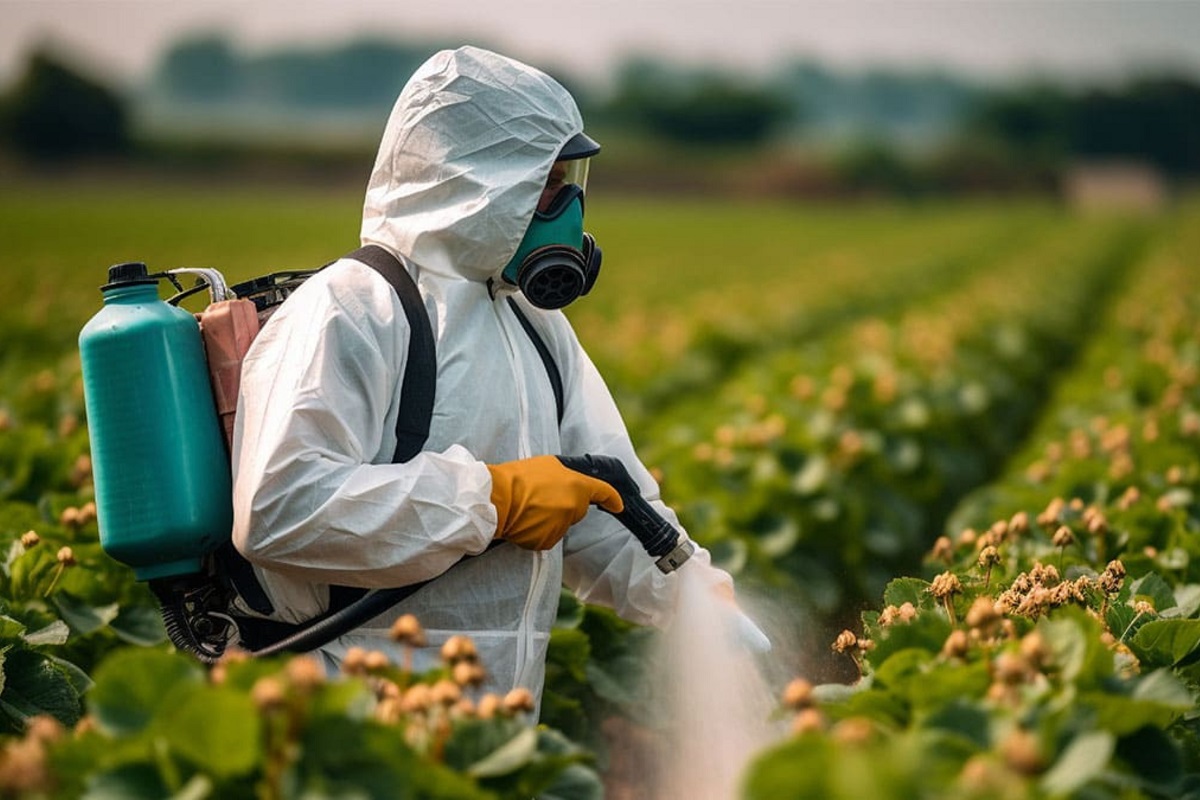
Mendoza is again debating a bill that would ban glyphosate throughout the province rather than merely set buffer distances around homes. Originally promoted by Gustavo Villegas with lawmakers Pablo Narváez, Gabriel Miró and Gladys Sánchez, it remains before the lower house Environment Committee and has neither become law nor received a confirmed vote date.
The proposal covers a herbicide used to control weeds in farms, parks, pavements and irrigation canals. Its supporters cite mechanical work and less persistent products as substitutes, while growers stress glyphosate's cost, effectiveness and role in established systems. A workable transition would need deadlines, defined uses, authorised alternatives and technical help for farms of different sizes.
Health claims require careful categories. The International Agency for Research on Cancer classifies glyphosate as probably carcinogenic, a hazard identification rather than a calculation of risk under every exposure. Other regulators have reached different conclusions when considering dose and use, which is why transparent evidence from INTA, SENASA and independent research matters.
Environmental concerns include drift and runoff into soil and water, removal of vegetation used by wildlife, and resistant weeds after repeated use. Their scale varies with formulation, dose, weather and practice. A credible law should therefore establish baseline and follow-up monitoring of water, soil, food residues and occupational exposure.
Irrigation canals deserve particular attention. Chemical control reduces immediate labour but can move residues downstream; abrupt substitution could raise costs, obstruct channels or encourage other hazardous herbicides. Comparisons should include toxicity, fuel use, soil disturbance, effectiveness, worker safety and the capacity to maintain water infrastructure.
Other provinces offer lessons but not a ready-made answer. Mendoza has its own crops, water constraints and producer structure. Any regime should specify the enforcement authority, inspections, penalties, training, worker protection and a process ensuring that replacement products are not accepted without adequate assessment.
The choice is not simply production versus environment. It is how to reduce avoidable exposure without transferring harm or leaving small growers without tools. Committee reports, rural participation, cost estimates and measurable indicators are needed. For now, the development is a revived legislative debate, not an operative province-wide ban.