Marine heatwaves have become one of the most worrying phenomena for ocean health. Defined as episodes of unusually warm ocean temperatures that last for five days or more, these events are occurring with unprecedented frequency and intensity in various regions of the planet[reference:17][reference:18].
The United Kingdom, for example, has experienced three major marine heatwaves in the last four years, including the current one in July 2026[reference:19][reference:20]. These episodes are not isolated phenomena; they are part of a global trend linked to climate change and ocean warming, which demands a deeper understanding of their impacts and strategies to mitigate them.
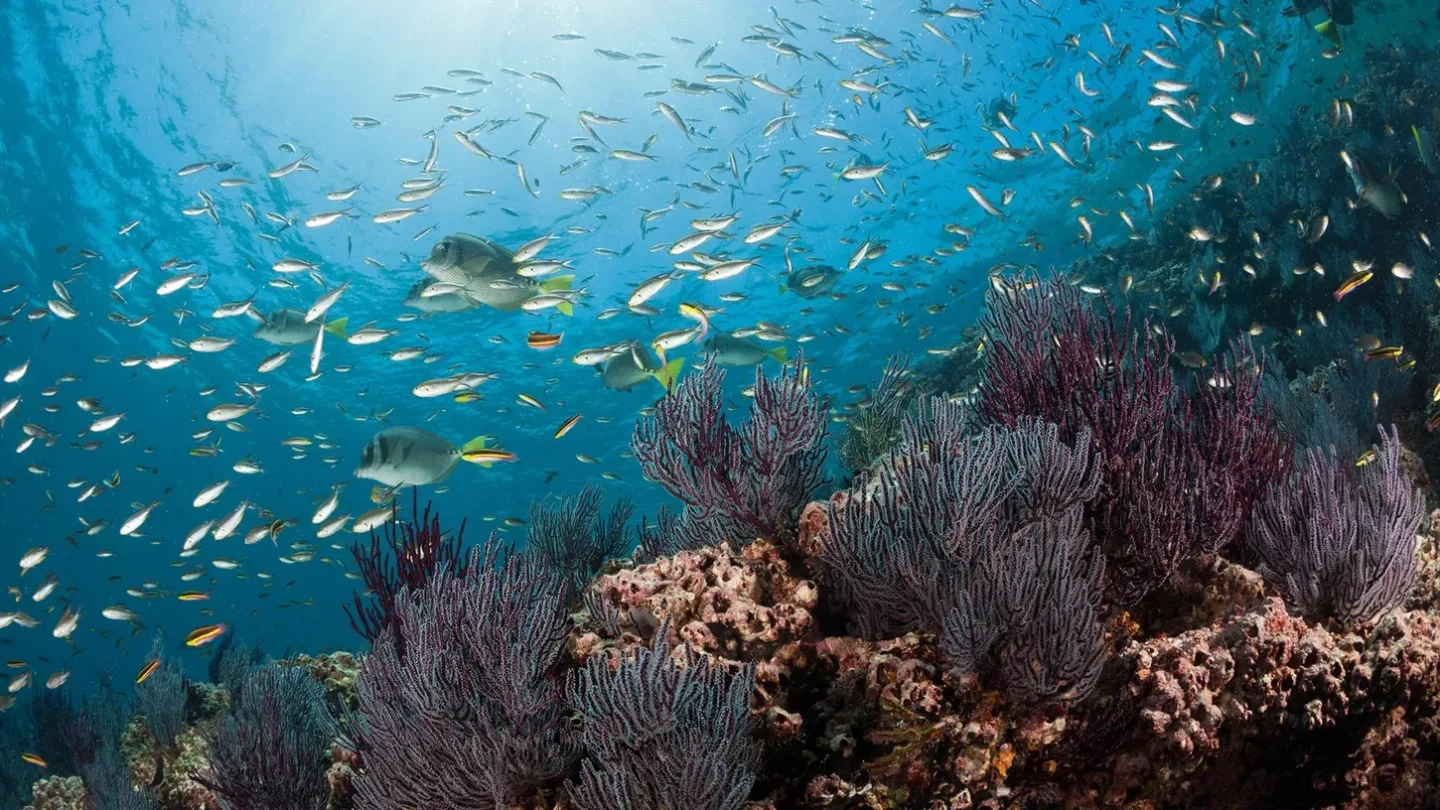
The effects on marine life are diverse and often devastating. Heatwaves have caused die-back of key species such as kelp forests, seagrass meadows, and corals[reference:21]. They have also altered the life cycles of marine mammals, shellfish, and birds that depend on them[reference:22]. The migration of species toward cooler waters is reshaping ecosystems and affecting oceanic food webs[reference:23].
An example of these changes is the increase in octopus along the southwest coasts of England, which has modified local fishery dynamics by preying on crabs and lobsters[reference:24]. Likewise, a northward shift of cold-water species such as cod has been observed, with potential consequences for seabird breeding and the availability of fishery resources[reference:25].
The formation of harmful algal blooms is another direct consequence of rising sea temperatures. When nutrients, warm waters, abundant sunlight, and calm conditions converge, ideal conditions are created for the explosive growth of microalgae that produce toxins[reference:26]. These toxins accumulate in filter-feeding shellfish, posing a risk to human health and forcing authorities to constantly monitor marine biotoxins[reference:27].
In response to this scenario, the scientific community has identified forty priority questions to advance the understanding of the risks and opportunities associated with marine heatwaves[reference:28]. These questions address effects on ecosystems, the services they underpin, the blue economy, and society. The urgency of this research is heightened if the current heatwave extends into August, when UK waters reach their seasonal maximum temperature, potentially pushing ecosystems past critical thresholds[reference:29].
The experience of Western Australia, where the term "marine heatwave" was coined in 2011, is a reminder of the severity of the problem[reference:30]. There, persistent warming caused the devastation of seagrass meadows and die-back of kelp, corals, fish, abalone, prawns, and crabs[reference:31]. Some parts of that ecosystem took years to recover; others never bounced back[reference:32]. This precedent underscores the need to implement early management measures, such as harvest strategies and catch quotas, that protect breeding populations and juvenile fish[reference:33].
Protecting marine ecosystems from heatwaves is a complex challenge that requires an integrated approach combining scientific research, adaptive management, and international cooperation. Fundación Argentina ASE, in line with its commitment to sustainable human development, promotes the study and dissemination of these phenomena as part of a broader strategy for the preservation of ecosystems and the well-being of communities that depend on them.