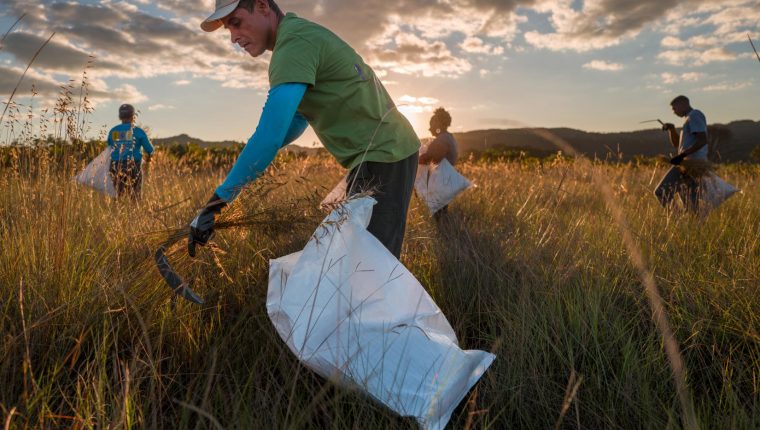

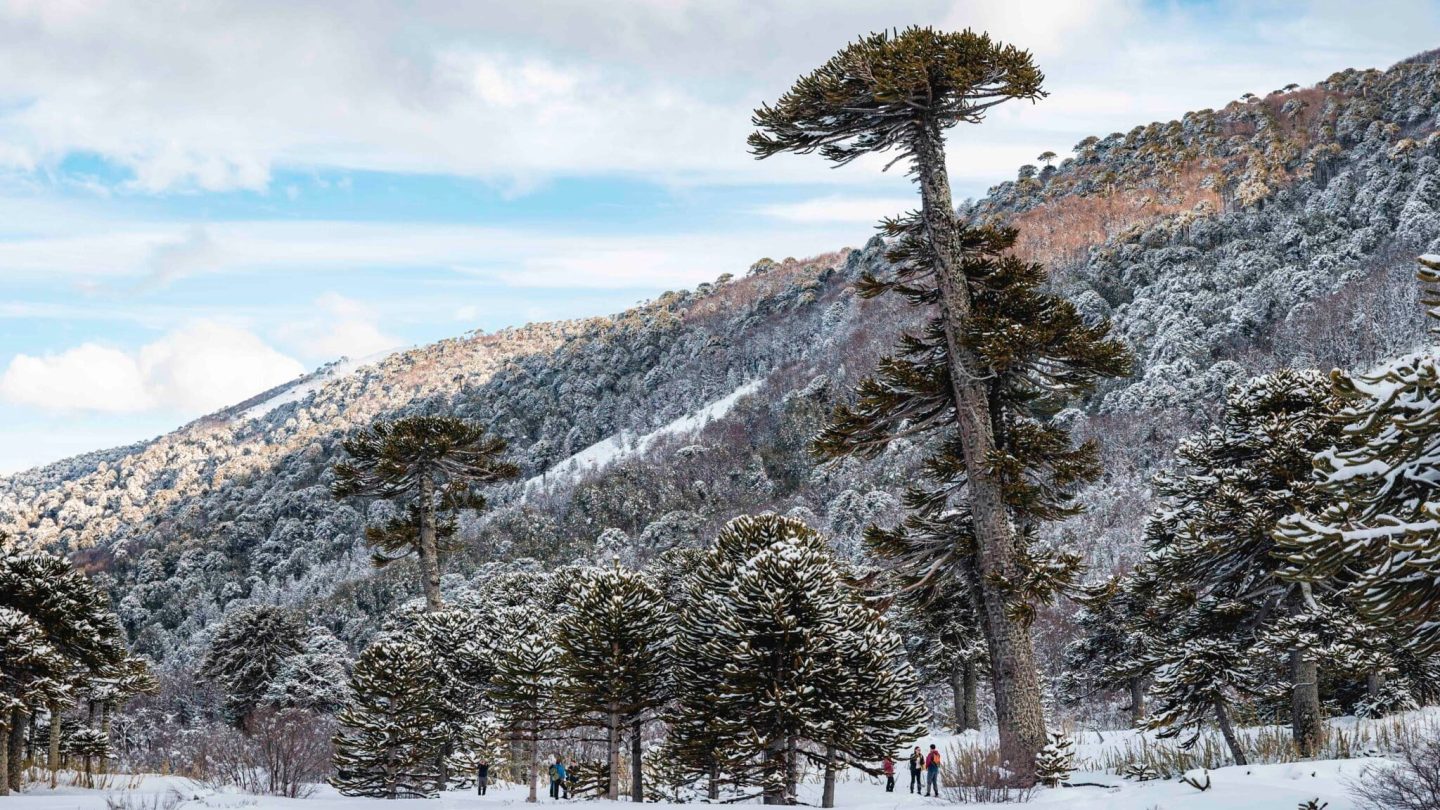
The Laklãnõ/Xokleng people are restoring Brazilian pine in degraded areas of the Ibirama-La Klãnõ Indigenous Territory in Santa Catarina state. Araucaria angustifolia is native to the Atlantic Forest of southern and southeastern Brazil and belongs to a plant lineage about 200 million years old. For the community, it is more than a threatened tree: it is zág, a central presence in their origins, language and identity.
Urban expansion, deforestation and decades of logging have reduced Brazilian pine forests to less than 3% of their original range. That loss has also limited access to the nutritious pine seeds that are part of Xokleng food systems and community cycles. Restoring the tree therefore means rebuilding habitat, water sources and food supplies while returning physical space to cultural practices.
The Zág Institute was founded in 2017 through the initiative of Carl Gakran. Work began with ten seedlings near his home and grew into a community production and planting program. The organization has produced more than 140,000 seedlings and expanded restoration across roughly 1,000 hectares, where close to 100,000 Brazilian pines have been established in degraded areas and around springs.
Monitoring indicates survival rates of 70% to 80%, providing information to refine site selection, maintenance and replacement. Between 30 and 40 volunteers from several villages participate regularly, while schools and families support nurseries and planting days. Including women in decisions, workshops and field activities is intended to distribute skills and prevent the project from becoming an outside forestry intervention.
Brazilian pine recovery strengthens food sovereignty by rebuilding future access to seeds and preserving knowledge of responsible harvesting and use. It may also create forest-compatible income through seed-based foods, agroforestry and ethnographic tourism. Those activities still require organization and funding, but they offer a path to sustain restoration without relying indefinitely on grants and donations.
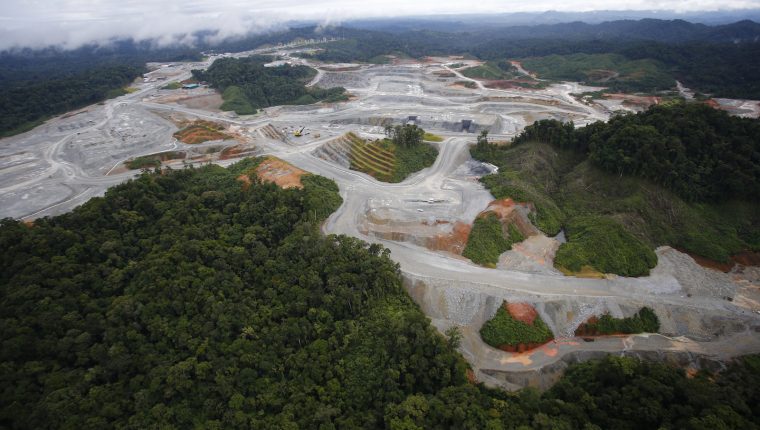
The institute plans to expand its nurseries to other Atlantic Forest species, including sassafras, imbuia and a fern used in a traditional Xokleng beverage. It is also seeking drones, artificial intelligence tools and information systems to track tree survival and monitor threats such as illegal logging and mining. Technology is conceived as support for territorial stewardship rather than a substitute for community knowledge.
The next challenge is to secure long-term financing, extend monitoring and turn early results into a functioning forest landscape. The experience shows that restoration can recover biodiversity, water, food and memory together when communities define the priorities. Every Brazilian pine that survives reinforces a living cultural relationship and a local capacity to care for the territory across generations.