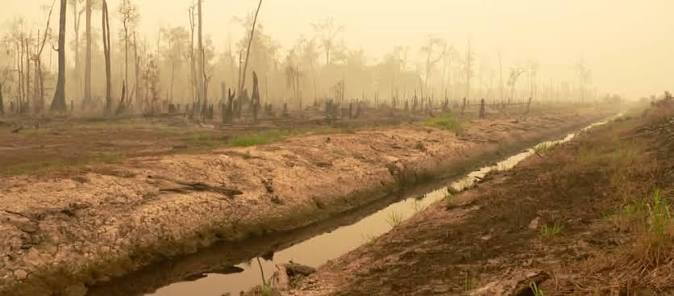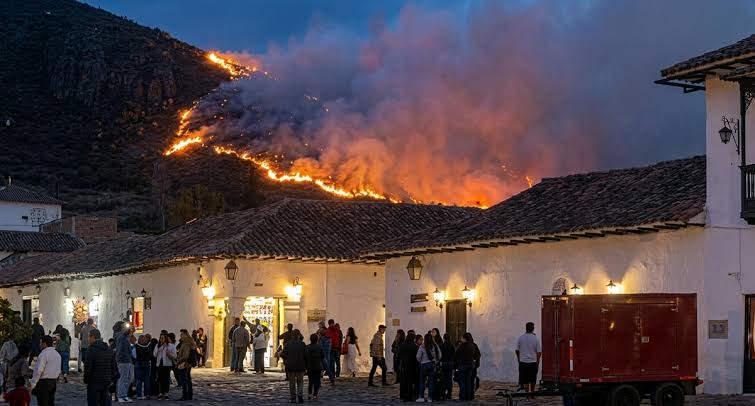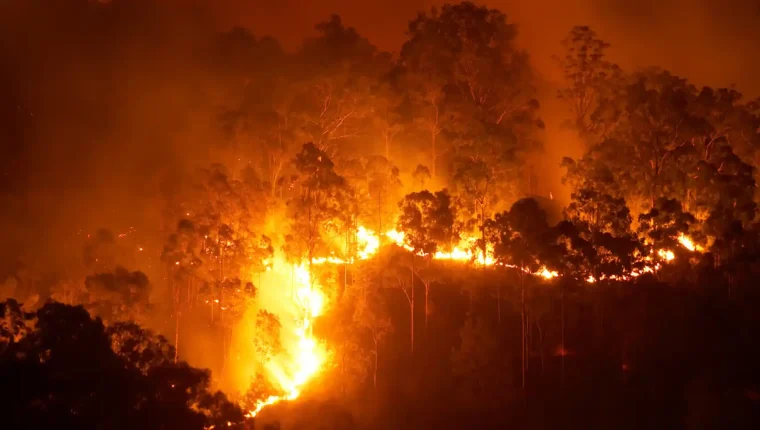

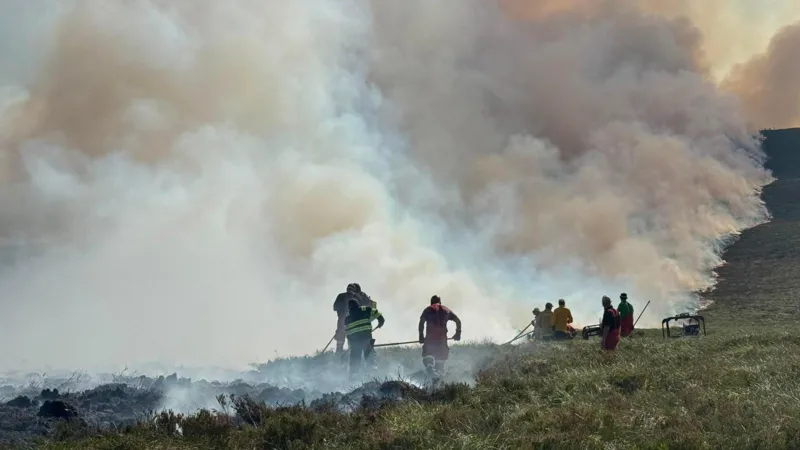
Twelve days after a vast wildfire began in Scotland's Cairngorms National Park, large areas of forest and moorland were still burning, with blackened ground and columns of smoke transforming the landscape. Authorities described it as the worst fire recorded in the park and warned that fully extinguishing all hotspots could take weeks or months.
Flames reached parts of the Caledonian pinewood, a rare habitat containing Scots pines about 300 years old. Emergency firebreaks bulldozed into the landscape protected much of the oldest woodland, but burned areas will need decades to recover their structure, soils and biological communities, if conditions allow them to do so.
The impact extends beyond trees. Deer and other large animals had a better chance of escaping, while small mammals, lizards, insects and ground-nesting birds were exposed to fire and smoke. Losing these groups alters food supply, pollination, decomposition and plant reproduction, meaning recovery cannot be measured merely by the return of green vegetation.
The cause had not yet been determined. The park introduced a bylaw in April banning campfires and barbecues during summer to reduce ignition points, and most wildfires in the United Kingdom have a human origin, from cigarettes to abandoned glass. That general statistic does not establish the cause of this fire before the investigation is complete.
The incident also exposed how difficult it is to respond in steep mountains and forests with limited access. Nethy Bridge was evacuated after strong winds revived a fire previously described as contained; residents have since returned, but the sequence showed that temporary improvement is not the same as final control.
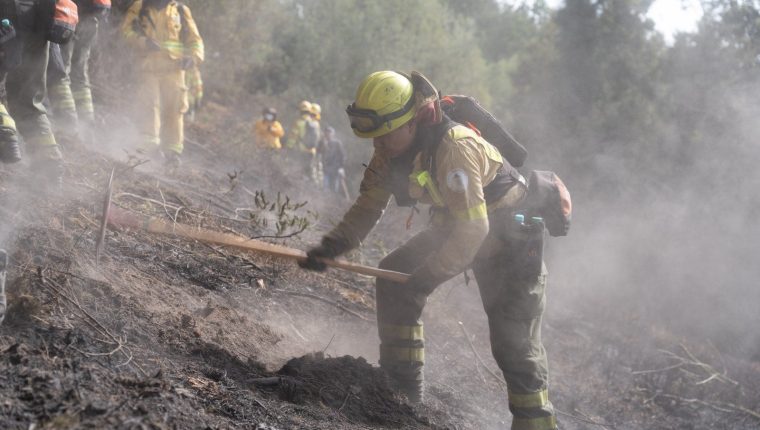
Three privately contracted helicopters were dropping about 750,000 liters of water a day on hotspots, and more than 75 firefighters remained at the scene. Rain and lower winds slowed the spread but could not extinguish deep-burning fuels. The UK government offered military support but did not have access to the specialist firefighting helicopters Scotland requested.
The emergency has opened a debate over permanent capacity: the Scottish Greens and local residents want publicly available aircraft ready for wildfire season rather than reliance on private operators and borrowed resources. After suppression, verifiable steps include mapping severity, protecting soil from erosion, monitoring regeneration and sensitive species, and reviewing prevention, early detection and aerial response before the next dry period.