Honduras, Guatemala and El Salvador are advancing shared environmental management across 313,393 hectares of the Trifinio Region around the point where their borders meet. The intervention area encompasses 33 municipalities, 11 protected areas and six biological corridors, a scale that requires authorities, rules and communities in three countries to work together rather than manage each fragment in isolation.
The protection project has €11 million in financing from Germany's KfW development bank and a joint counterpart contribution of €3,334,500 from the participating governments. The Trinational Commission of the Trifinio Plan manages the funds and coordinates the national environmental agencies, with implementation scheduled to continue through 2027.
At the territory's core lies the Trifinio-Fraternidad Transboundary Biosphere Reserve, recognized by UNESCO's Man and the Biosphere Programme in 2011. Its cloud forests, pine forests and drier environments support species including the quetzal and puma, while regulating rainfall and feeding watersheds on which rural populations and downstream cities depend, including the Lempa River basin.
The strategy is tied to the reserve's 2025–2035 Management Plan and aims to turn connectivity from a broad commitment into territorial decisions. A harmonized land-use and land-cover map brings together information from all three countries, while connectivity models identify where habitat should be restored and how wildlife movement and genetic flow can be maintained between protected areas.
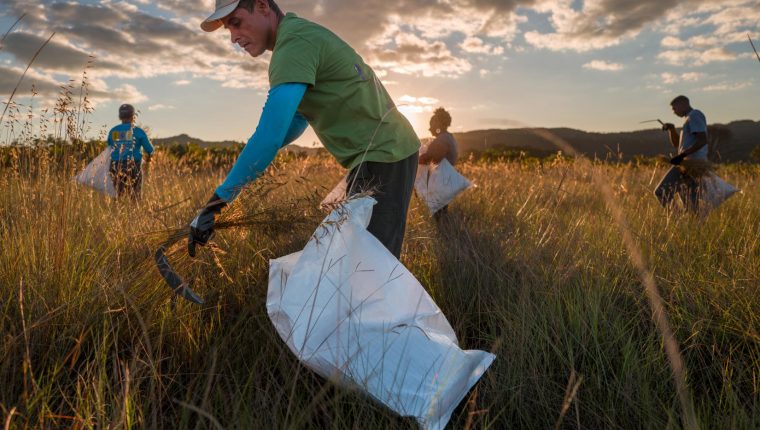
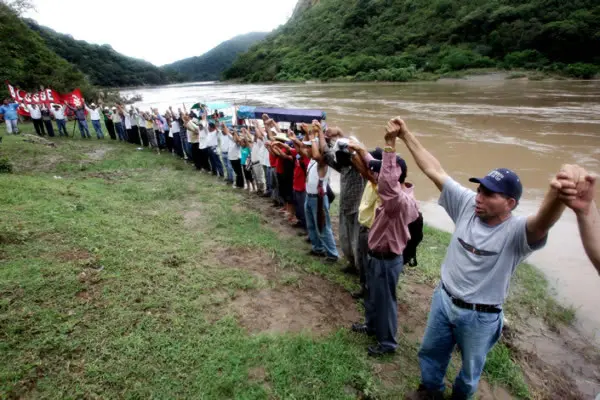
Local participation is an operational requirement. Workshops in Esquipulas, Ocotepeque and Metapán brought together more than 100 people — one-third of them women — to identify ecological assets and threats such as deforestation, land-use change and pollution. In parallel, about 21,000 producers are participating in resilient agriculture, soil conservation and organic fertilizer practices.
The program combines restoration with economic alternatives: it proposes agroforestry systems for coffee and staple crops, a soil research center in Metapán and training linked to sustainable tourism in La Palma. Land tenure is the most sensitive challenge, because unclear rights can obstruct investment, limit restoration or displace communities that depend on the same forests and water sources.
The next steps are to turn modeled corridors into funded priorities, sustain coordination among ministries and municipalities, and measure results beyond the nominal area covered. The scheme's effectiveness will be visible in reduced fragmentation, recovery of degraded zones, effective protection of headwaters and the ability to maintain production and employment without continuing to erode shared natural capital.