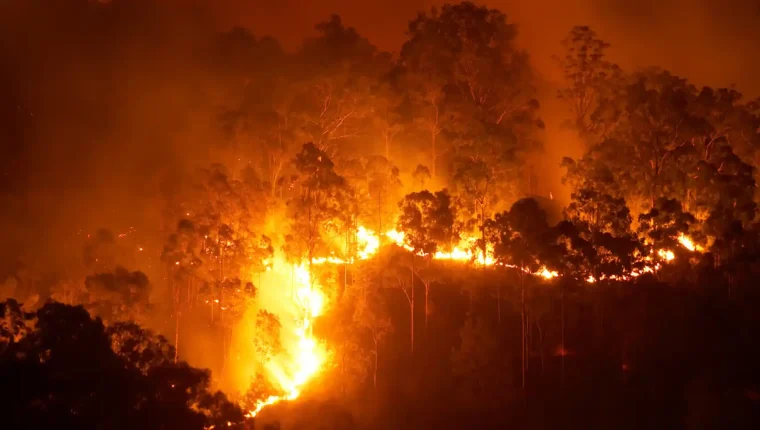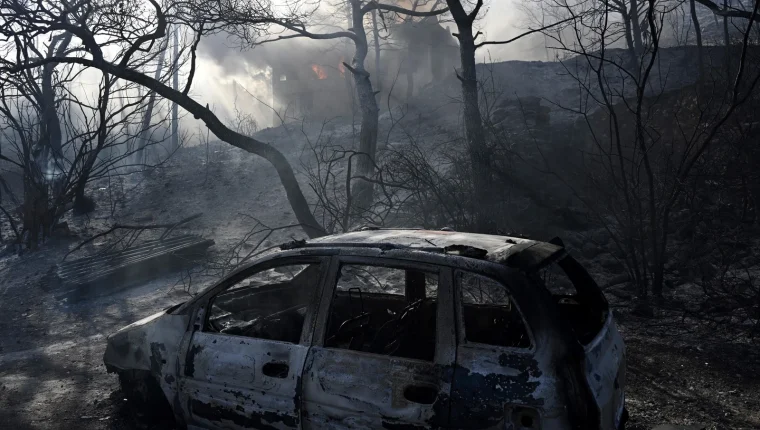

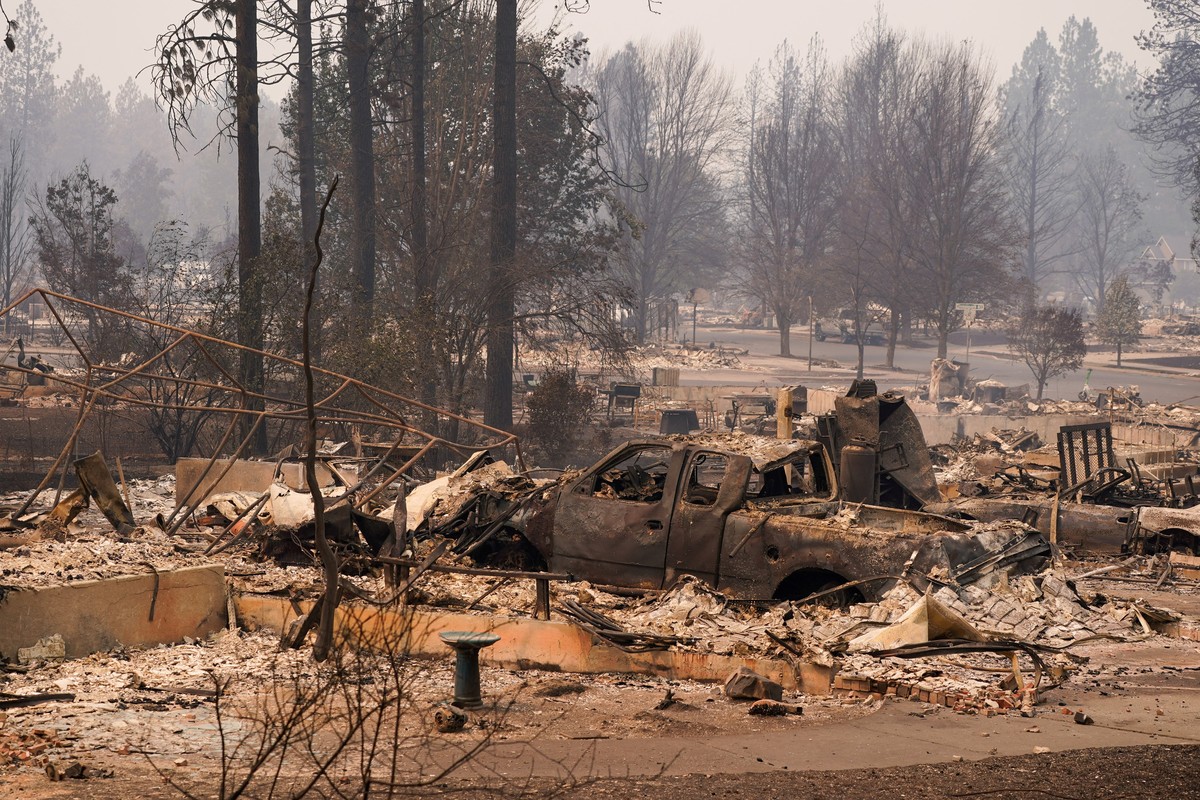
A complex of three wildfires around Spokane in eastern Washington state destroyed about 700 structures and forced tens of thousands of people to evacuate. By August 3, the fires had burned more than 8,000 acres — roughly 3,200 hectares — since starting on Saturday and remained at zero containment.
Damage was concentrated in residential areas along the urban edge, where fire moved from grassland and forest into entire neighborhoods. Aerial and infrared surveys indicated that several hundred additional buildings might be damaged, so the final count depended on ground access and inspections. Authorities maintained immediate evacuation orders for more than 60,000 residents while assessing when returns would be safe.
No deaths or serious injuries had been confirmed at the time of the report, but the situation remained unresolved. An initial list of about 300 people who could not be located had fallen to 14, most believed likely safe but still out of contact. Firefighters and search teams could not yet enter every devastated area, so officials did not treat the absence of reports as a guarantee.
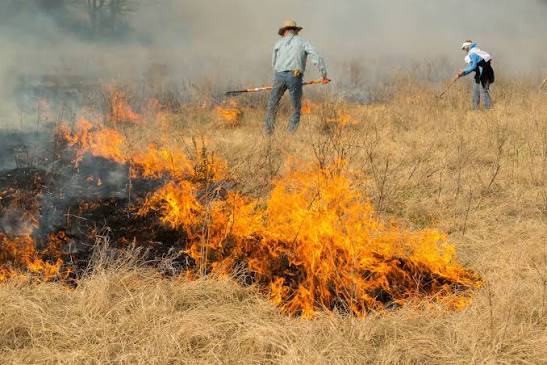
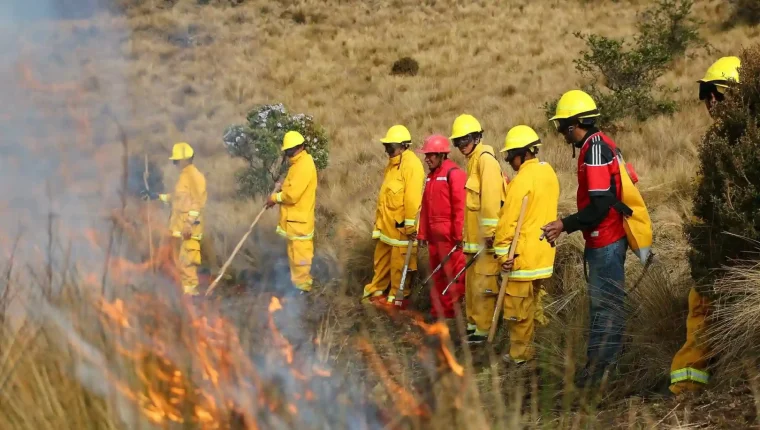
More than 1,000 firefighters were working across the complex, supported by reinforcements from other states and aerial assets constrained by simultaneous fires throughout the U.S. Northwest. Shelters and services opened for displaced families, preventive power outages affected customers, and courts and other offices suspended operations. Washington's congressional delegation sought an expedited federal emergency declaration to expand aid.
The outbreak occurred amid heat, dry conditions and winds capable of driving rapid spread. Washington remained under a statewide emergency as 15 major fires burned more than 250,000 acres. Multiple incidents at once reduce the availability of aircraft, crews and specialized equipment, turning each weather shift into a critical operational and evacuation decision.
Human-caused climate change is increasing the frequency and severity of heat and drought conditions that favor fire in many regions, but it does not by itself establish how any individual blaze started. The causes of the Spokane fires remained under investigation. Separating the immediate ignition from the climate background avoids premature attribution without overlooking the growing risk along the wildland-urban interface.
Immediate priorities are protecting lives, locating missing residents, building control lines and documenting losses. Temporary housing, electricity restoration, assessment of smoke and debris contamination, and fire-resilient reconstruction will follow. Because the numbers are still changing, every toll should carry a date and remain provisional until inspections are complete.