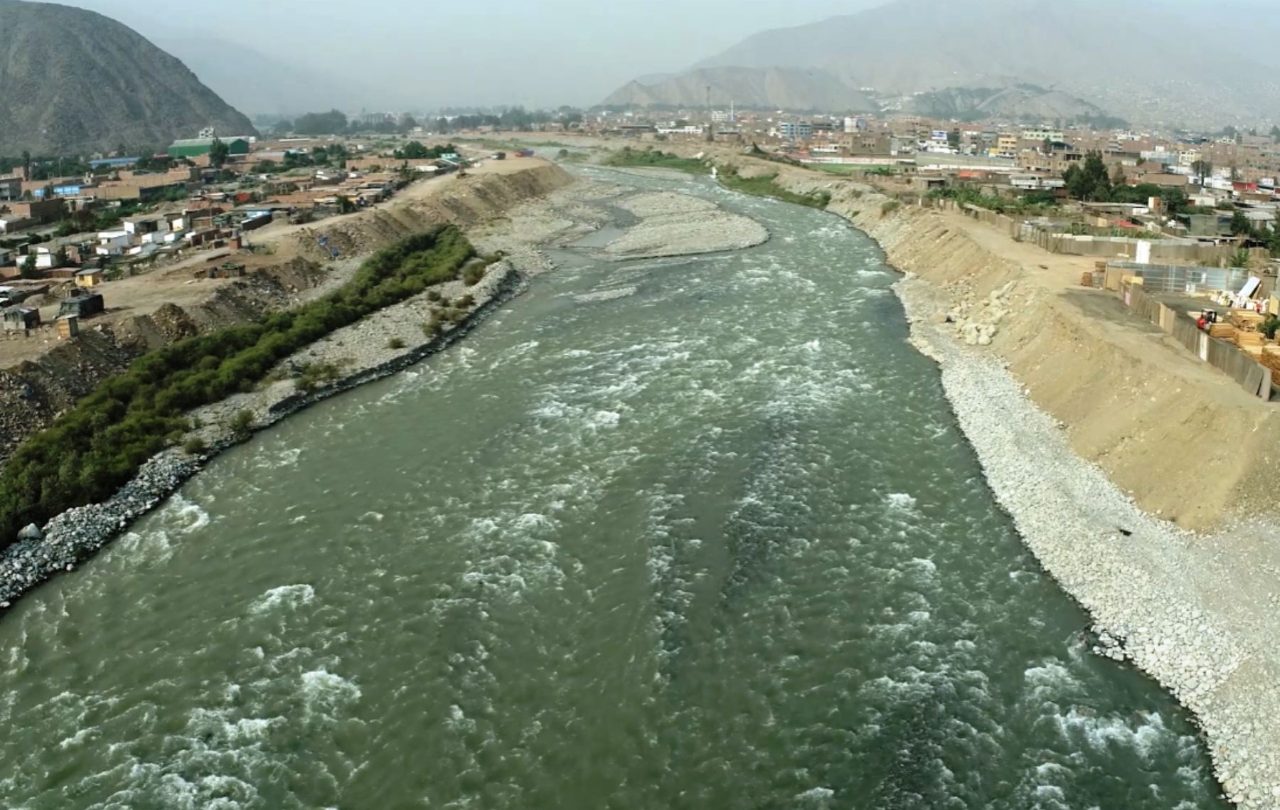
Peru has validated a portfolio of nine cross-sector projects worth more than 3.5 billion soles to restore the Rímac River basin, the main water source for Lima and Callao. The National Water Authority reported the progress after the first year of Supreme Decree 014-2025-MIDAGRI, which declared restoration a national priority and assigned the authority to coordinate responsible institutions.
The figure is the value of a prioritized portfolio, not a single disbursement or nine completed works. The interventions combine water-quality improvements, expansion of drinking-water and sewer services, recovery of degraded ecosystems, water regulation and reductions in flood, erosion and landslide risks. The scope reflects a basin that supplies more than eleven million people, according to ANA's official release.
The largest projects include expansion of drinking-water and sewer systems in Cajamarquilla, Nievería and Cerro Camote for more than S/1.218 billion; an intervention exceeding S/1.608 billion to reduce erosion and flooding; and ravine-protection works worth over S/207 million. The portfolio also covers ecosystem services in microbasins affected by abandoned or legacy mining liabilities.
At the same time, seven automatic stations now record water quality and quantity in real time at Lurigancho-Chosica, Santa Eulalia, San Mateo, Huanza and Carampoma. Their information will be progressively incorporated into ANA's Water Observatory to strengthen oversight, change detection and operational decisions. The institutional target is to end 2026 with fourteen stations operating.
Restoration requires coordination because pollution sources, sanitation gaps and physical risks cross municipal and sectoral boundaries. ANA has consolidated a multidisciplinary technical team and formalized focal points with the Presidency of the Council of Ministers, several ministries, the National Infrastructure Authority, OEFA, Sedapal, the Lima and Callao regional governments and twenty-five local governments in the basin.
Automatic monitoring improves the evidence base but cannot replace treatment plants, sanitation networks, remediation of mining liabilities or effective discharge control. Nor is portfolio validation enough: each project still needs final design, secured financing, procurement, permits, a schedule and public oversight. The number of participating institutions can add capacity, but it can also increase the risk of delay and fragmented accountability.
The next tests are turning priorities into executable works, doubling the station network during 2026 and publishing comparable indicators on water quality, ecosystems and risk reduction. The S/3.5-billion-plus figure defines the planned scale, but success will be measured in pollution avoided, services expanded and communities protected—not merely announced budgets or installed equipment.