
Brazil's Supreme Court delivered a two-sided legal outcome for the Amazon soy moratorium. It confirmed that the voluntary agreement is constitutional, while also upholding state laws that deny tax incentives to farmers and companies following environmental restrictions stricter than national law. The decision recognizes the pact and simultaneously weakens incentives to apply it.
The moratorium began in 2006 under pressure from environmental organizations and international buyers. Major traders pledged not to purchase soy grown on Amazon land cleared after July 2008, and the federal government later endorsed the arrangement. It was never legislation: it operated through private commitments, monitoring and conditional access to purchasing chains.
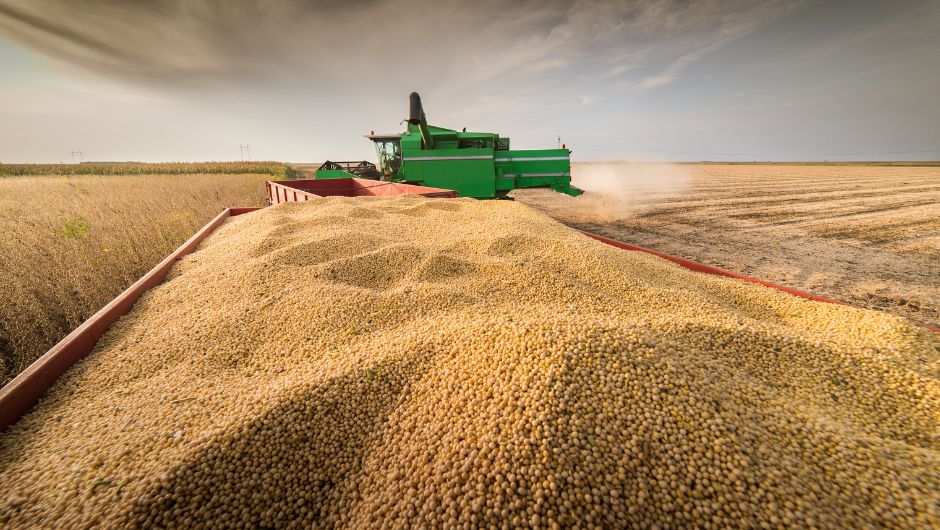
The dispute affects a market of global scale. Brazil produces about 40% of the world's soybeans and harvested 171.5 million metric tons in the 2024-2025 season. China was the leading export destination. Mato Grosso, Pará and Rondônia combine major production with parts of the Amazon biome, so trading rules shape territorial decisions with far-reaching effects.
Growers argue that the pact goes beyond the Forest Code: national rules require Amazon properties to preserve 80% of their land and allow up to 20% to be legally cleared, while the moratorium rejects all soy tied to new clearing after 2008. The state laws now upheld allow tax advantages to be withdrawn from companies adopting that additional private standard.
A July study in Science credited the moratorium with a 35% reduction in deforestation in high-risk areas during its first decade, without reducing productivity. It also estimated that ending the pact could drive up to 1.4 million additional hectares of deforestation over ten years and expose an area comparable to Portugal to legally permitted clearing.
Operational capacity had already eroded: major traders withdrew in January after the state rules were passed. ABIOVE welcomed judicial recognition of voluntary commitments but referred to the moratorium in the past tense and called for a new phase of dialogue. Mato Grosso producers, by contrast, read the ruling as support for state authority.
The judgment does not resolve the tension between legal minimums and higher environmental commitments. The next test is whether companies, governments and international buyers can rebuild traceability and incentives without relying on benefits vulnerable to each state. For the Amazon, the meaningful measure will be soy-linked clearing, not the agreement's nominal survival.