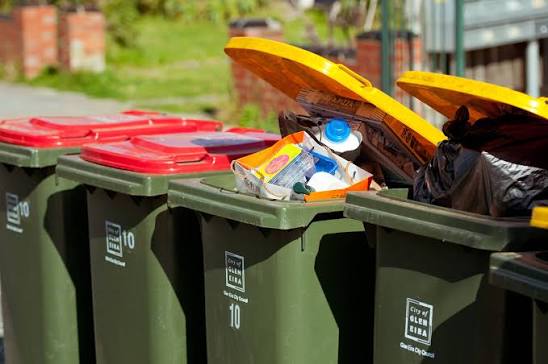

The European Packaging and Packaging Waste Regulation, PPWR, took effect on August 12 across all 27 European Union countries. It replaces a framework that failed to stop waste growth: the average resident discards about half a kilogram of packaging every day. The regulation seeks to cut volume, harmonize the market and reduce reliance on fossil raw materials.
Its calendar is gradual. Member states must reduce packaging waste by 5% by 2030, 10% by 2035 and 15% by 2040. The immediate effect will not be a sudden fall in rubbish because most obligations start later. The first applicable provision now sets maximum PFAS concentrations in food packaging.
From 2030, every package must be at least 70% recyclable and plastics must include minimum shares of recovered material; bottles must contain 30%. Starting in 2035, the recyclable label will also depend on material actually being sorted, collected and returned to production at scale, linking design claims to real system performance.
By 2029, deposit-return systems should cover most beverage cans and bottles and collect 90% for recycling. The regulation also bans several forms of single-use plastic: films around fruit and vegetables weighing under 1.5 kilograms, individual portions in hotels and restaurants, the lightest plastic bags and certain miniature cosmetic products.
On reuse, the text requires 40% of transport packaging to be reusable by 2030 and sets a 10% target for beverage packaging. For 2040, reaching 70% in transport became an effort rather than a firm obligation. The original proposal for 10% of takeaway food and drink to use reusable containers by 2030 ended as a voluntary option.
The reduced ambition followed intense campaigning. More than one hundred companies, including Coca-Cola, McDonald's and Heineken, sought postponement and amendments. A coalition led by McDonald's lobbied against reuse targets and also helped limit certain single-use bans to plastic, excluding paper alternatives.
The PPWR creates a common floor, not a ceiling. France is debating how to adapt without retreating from its 2020 law, which aims to phase out single-use plastic packaging by 2040; the regulation allows stronger national policies. Evaluation must track waste avoided, actual reuse and collection rates, recycled content and whether exceptions merely shift consumption to other disposables.