
Colombia has declared 483,283 square kilometres of its Amazon biome a permanent Reserve of Renewable Natural Resources and the Environment. Formalized by the Environment Ministry through Resolution 0961 of 2026, the area covers about 42% of the country's continental territory and more than 80% of its Amazon forest cover. Its central effect is to prevent new mining concessions or authorizations and new oil and gas exploration and production contracts within the boundary.
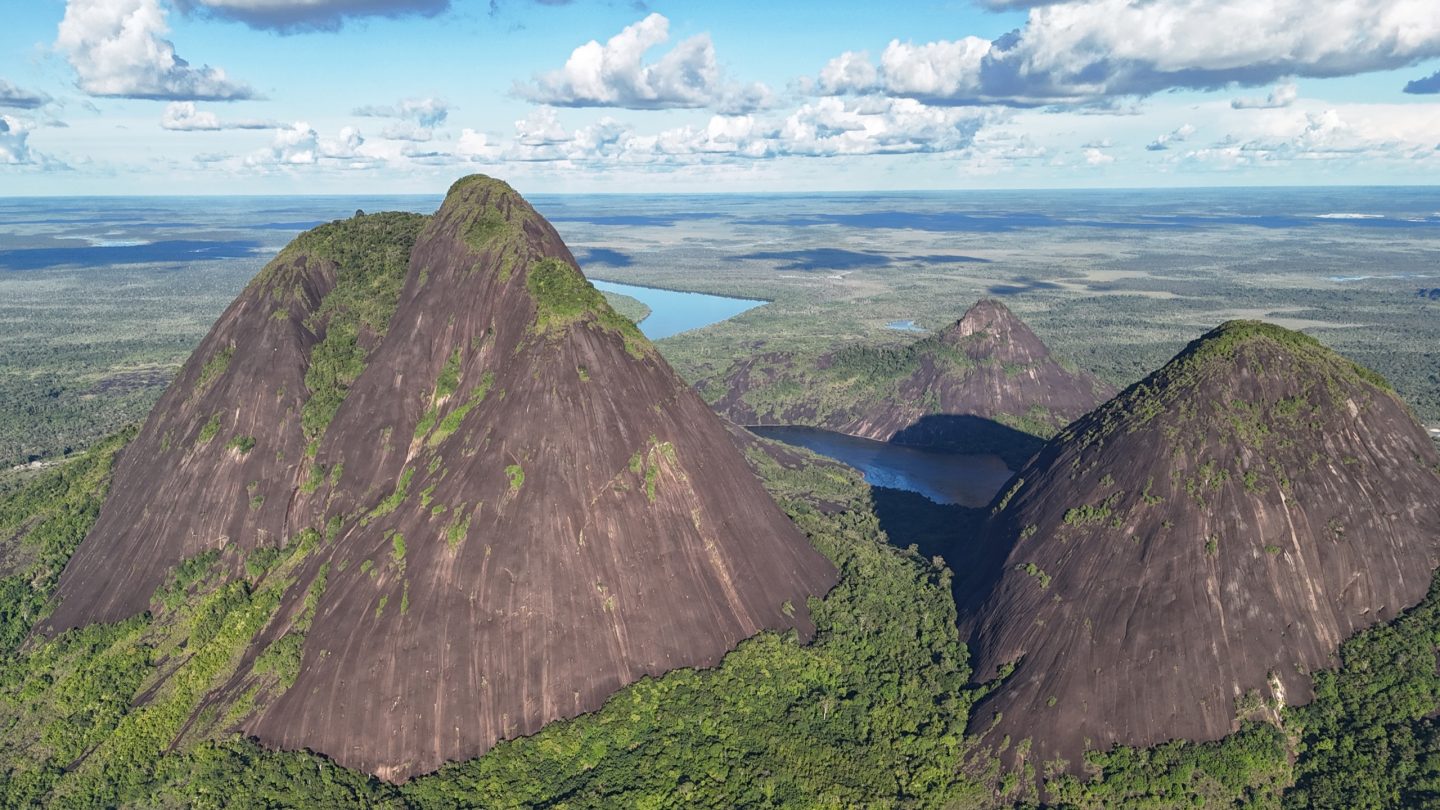
The reserve fully covers Amazonas, Caquetá, Putumayo, Guaviare, Guainía and Vaupés departments and parts of Meta, Vichada, Cauca and Nariño. It represents about 7% of the wider South American Amazon and contains forests, rivers, species and Indigenous territories. The measure applies prevention and precaution principles to cumulative impacts and seeks to reduce the risk that the forest loses its regenerative capacity and approaches an ecological and climatic tipping point.
Its legal reach requires precision. The resolution does not turn the entire area into a national park or prohibit every human activity. It restricts a specific future land use: new large-scale mining and hydrocarbon operations and their environmental permits. Existing contracts, titles and rights remain governed by their terms and applicable law; agriculture, fishing, tourism, infrastructure and other uses allowed under environmental and territorial planning are not automatically barred.
The rule also states that the reserve cannot be used to suspend, deny or condition collective titling or the formal recognition of Indigenous reserves and territories. Peoples' pre-existing rights must be respected, and their authorities retain a central role in territorial use and care. The declaration neither changes the legal regime of national parks and other existing conservation instruments nor replaces the responsibilities of regional environmental authorities.
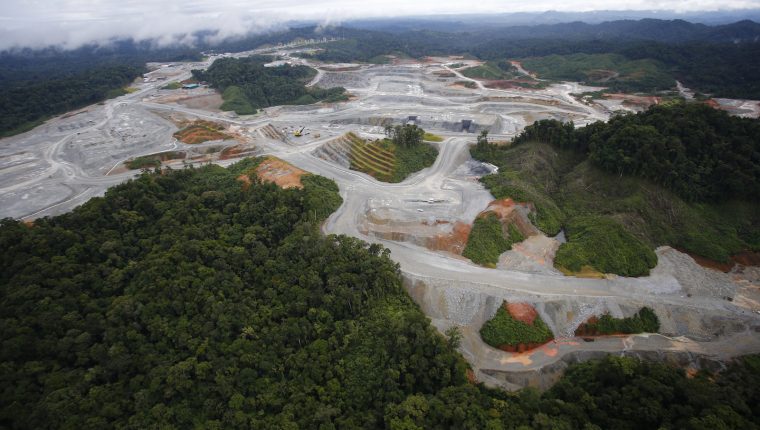
Blocking new concessions reduces a significant pressure but does not by itself end deforestation. Illegal roads, land grabbing, extensive cattle ranching, illicit crops, fire and illegal mining may continue without state presence, environmental justice and economic alternatives. Results require satellite monitoring, community-based territorial control, supply-chain traceability, restoration and stable finance for legal forest economies.
Transition tensions will also arise. Municipalities dependent on royalties, petroleum jobs or mining expectations need to diversify without abandoning services and workers. Bioeconomy, nature tourism, cacao, coffee, non-timber forest products and science can help, but need compatible infrastructure, connectivity, credit, public procurement and markets; they do not automatically replace extractive rents. Fairness will be judged by local participation and visible benefits for people who keep the forest standing.
Decisive indicators include new titles actually prevented, deforestation trends, water quality, illegal-mining sites, territorial security, community income and Indigenous-rights compliance. Publishing final maps, pre-existing rights and licensing decisions would let public oversight distinguish real protection from a symbolic announcement. Resolution 0961 sets a regulatory boundary at enormous scale; turning it into lasting conservation requires enforcement, monitoring and an economic transition built with the Amazon.