
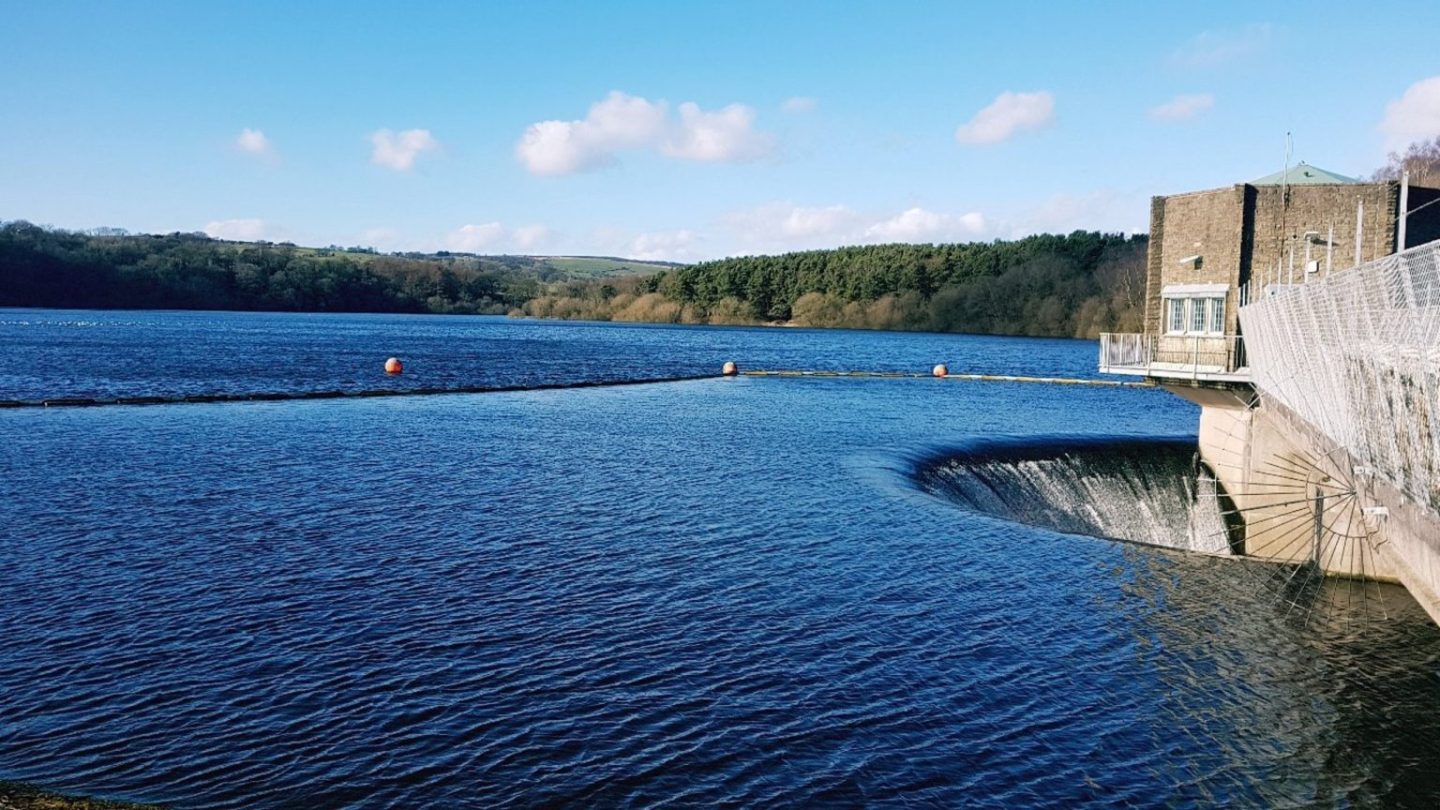
Tittesworth Water, near Leek in Staffordshire, has been awarded The Wildlife Trusts' Biodiversity Benchmark accreditation, making it the largest reservoir-based site in the UK to have gained this nationally recognised status[reference:18].
Supplied by the River Churnet and Meer Brook, Tittesworth Water has a number of key habitats such as ancient woodlands, wetlands and wildflower rich meadows, covering an area equivalent to over 200 football pitches (145 hectares)[reference:19][reference:20]. The accreditation recognises Severn Trent's nature-positive management across land surrounding the reservoir, benefiting nature both now and into the future[reference:21].
A key area of focus for the site has been improving the wet woodland habitat for the breeding population of willow tits, the UK's fastest declining resident bird[reference:22]. The Tittesworth team have been using forestry management techniques to change the age structure and canopy height of the wood, increasing nesting opportunities through dead wood creation, and installing specially designed nest boxes[reference:23].
The teams have also been regularly surveying the wildlife and habitats found on the site, identifying opportunities to make areas such as the grasslands, woodlands and wetlands more diverse and resilient to climate change and extreme weather impacts[reference:24]. Annual surveys of waxcap grasslands are also underway, helping to monitor and record the fungi present in this important habitat[reference:25].
Richard Whiting, visitor site manager at Tittesworth, said: "We're incredibly proud to have achieved The Wildlife Trusts' Biodiversity Benchmark at Tittesworth. It's a fantastic milestone and a real reflection of the dedication and collaboration across our teams"[reference:26]. He added that achieving this standard shows that they are not only protecting biodiversity on their land but actively enhancing it for the future[reference:27].
Julian Woolford, chief executive of Staffordshire Wildlife Trust, said: "At a crucial time for nature across the UK, it's great to see another business stepping up and delivering for nature on their land through the Biodiversity Benchmark"[reference:28]. He highlighted that the focus on wet woodland habitat for willow tits is helping to create more opportunities for this nationally rare species to thrive[reference:29].
Severn Trent is also developing Biodiversity Action Plans across its estate alongside the Biodiversity Benchmark. Work is beginning at Tittesworth, with plans to extend the approach to a total of five sites by 2030[reference:30]. With Tittesworth Water supplying thousands across Staffordshire, Stoke-on-Trent and Leek with water daily, it is vital that the provision of this precious resource enhances the natural environment[reference:31].
Recognised as one of Staffordshire's most popular tourist destinations, hundreds of thousands of walkers and families visit the site every year, making use of the water sports facilities, walking trails and bird watching hides[reference:32]. Through their nature-positive efforts on site, Severn Trent hope to inspire the next generation of nature-lovers and conservationists, proving that everyone can do something positive for nature[reference:33].
Tittesworth Water becomes one of 52 Biodiversity Benchmark accredited sites, together totalling almost 7,700 hectares across the UK[reference:34]. The certification confirms continual biodiversity enhancement and protection on the sites while also supporting wider sustainability and climate commitments[reference:35].