
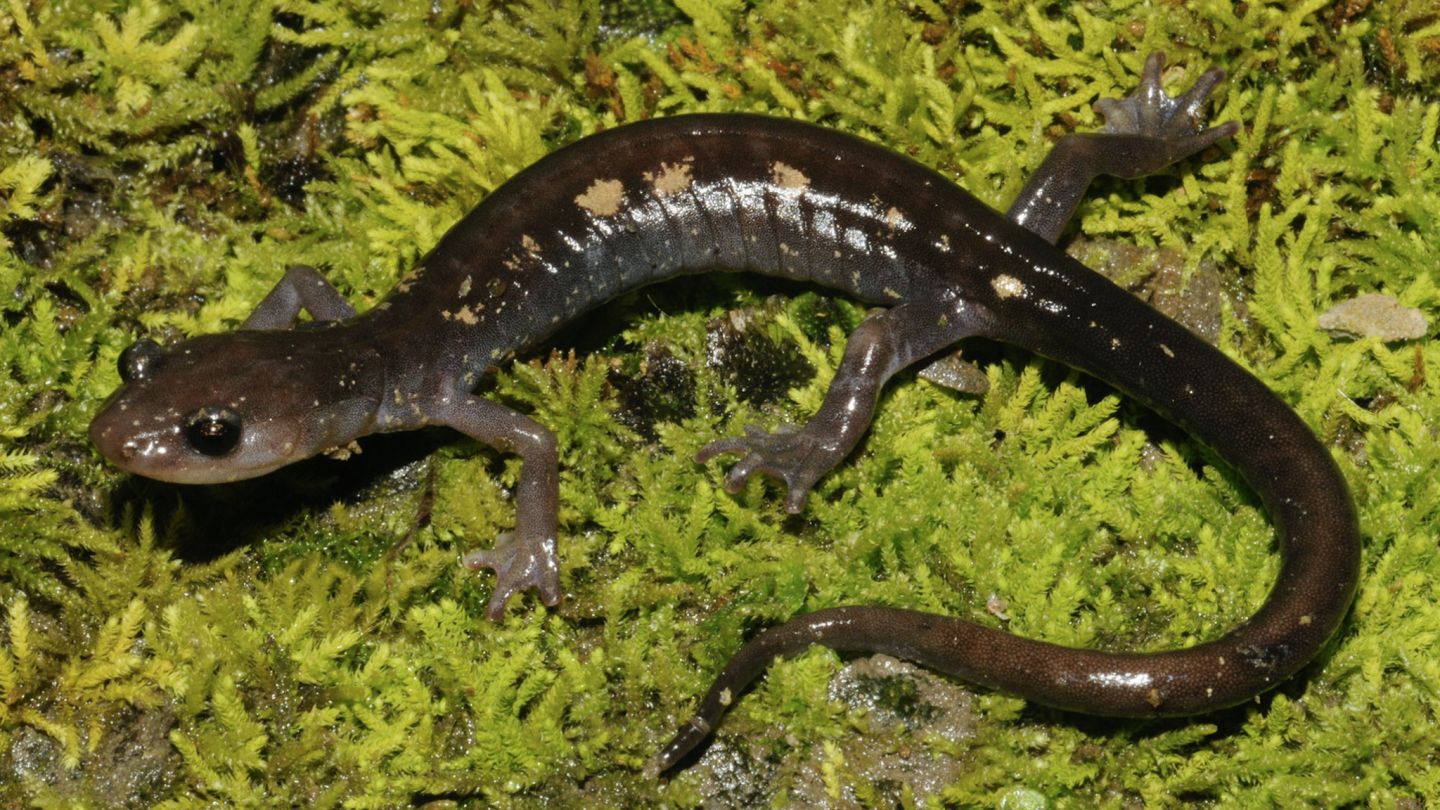
In Keene, New Hampshire, a local road has become the starting point for a concrete response to a quiet biodiversity problem: every spring, thousands of amphibians migrate toward vernal pools and wetlands to breed, yet many die while crossing roads shaped by traffic, lights and dry pavement. The city, together with environmental organizations and public agencies, is preparing the state's first amphibian underpasses.
The project is planned for the Jordan Road crossing, a site identified through years of community observation. Spotted salamanders, wood frogs, spring peepers and Jefferson complex salamanders move through this area, with the latter recognized as a Species of Greatest Conservation Need in New Hampshire. The work will combine tunnels beneath the road with guide walls or fencing that direct animals toward the entrances, a decisive element for the crossing to function.
The initiative did not emerge from a single isolated decision. Since 2007, the Harris Center for Conservation Education has coordinated Salamander Crossing Brigades across southwestern New Hampshire. More than 2,500 volunteers have been trained, and together they have helped move more than 100,000 amphibians away from vehicle traffic. Those community science records helped locate critical hotspots, support lasting solutions and build a partnership with the City of Keene, NH Fish and Game and National Fish and Wildlife Foundation support.
The case carries an important conservation lesson: roads do not only fragment large landscapes; they can also interrupt short but essential migrations for small species. On mild, rainy nights, amphibians leave terrestrial shelters and move toward water bodies where they lay eggs. If a road separates forest habitat from breeding wetlands, the survival of a local population may depend on a few meters of well-designed and well-maintained infrastructure.
Amphibian wildlife passages are not automatic solutions. Earlier studies and field experience show that effectiveness depends on design, moisture, maintenance, exact placement and barriers that guide animals into the tunnel. That is why Keene is more than a local construction project: it is a community-scale model of ecological infrastructure, where monitoring, volunteer action and urban planning work together to restore connectivity.
In a context of accelerating biodiversity loss, this kind of intervention points to a practical agenda for towns and cities: identify biological corridors, reduce preventable mortality and adapt human infrastructure to the life cycles of other species. Protecting a salamander is not a minor gesture; it means caring for the web of wetlands, forests and ecosystem services that sustain local life.