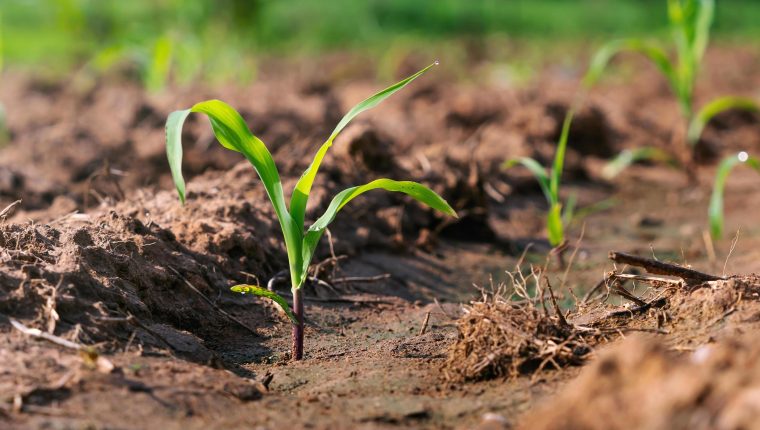

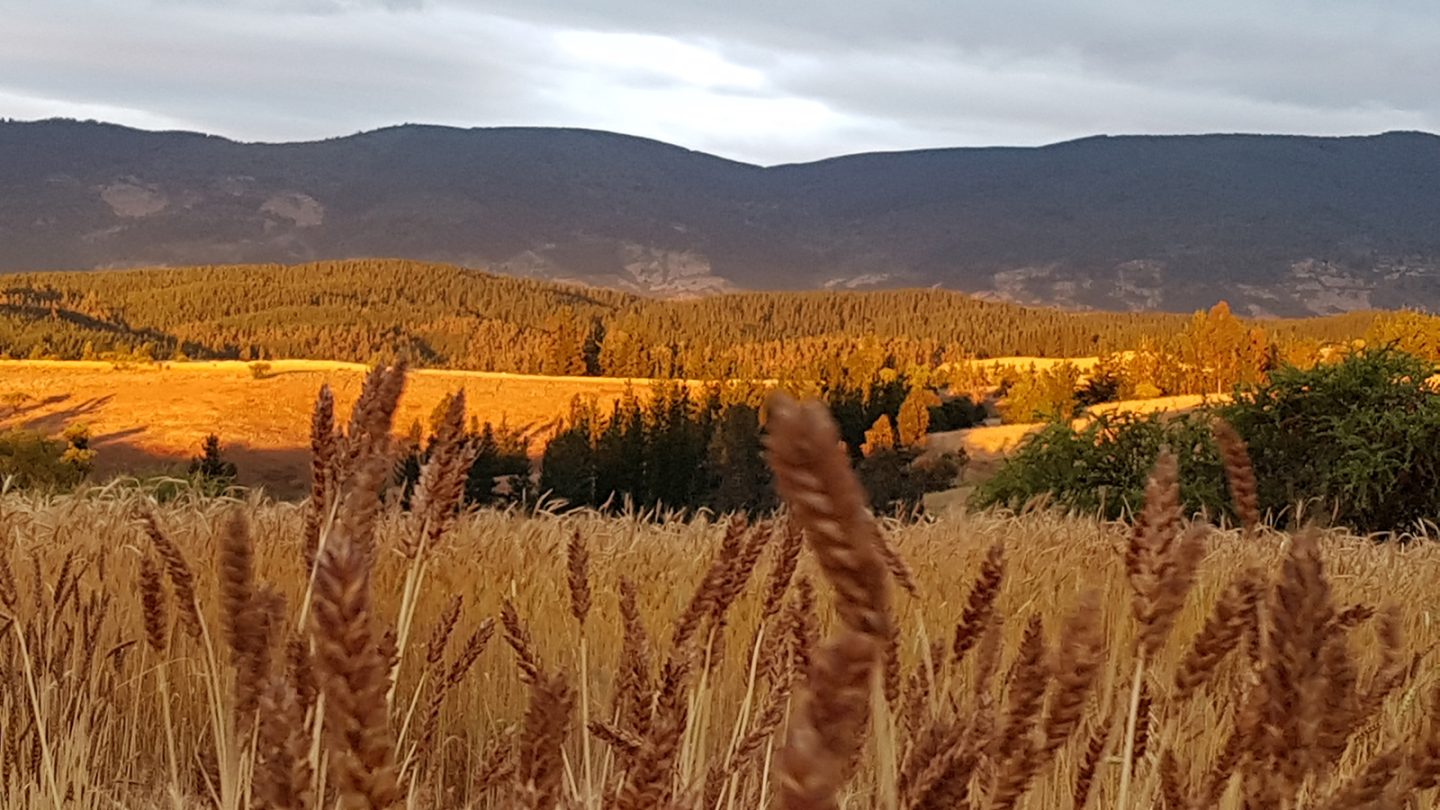
Seven heritage wheat landraces preserved in Chile showed traits useful for farming under severe drought. A University of Chile team compared them with three modern cultivars over two years and across ten environments in the Metropolitan and Ñuble regions. Seven of those settings experienced severe drought, allowing responses to be observed under field constraints rather than controlled conditions alone.
The landraces were Blanco, Cebolla, Chucho, Colorado, Furfuya, Legul and Milufen; Kipa INIA, Onda and Pandora INIA formed the modern group. Researchers measured yield, biomass, production stability and water-use efficiency. Variation across locations and seasons helped distinguish, at least partly, genetic effects from environmental fluctuations.
The result does not identify one absolute winner. Modern varieties recorded higher average grain yield, an important advantage for commercial production. Heritage wheats instead had greater biomass, grain-yield and biomass stability, and better intrinsic water-use efficiency—traits that become valuable as growing conditions turn harsher and less predictable.
Furfuya stood out by combining stable biomass production, high water-use efficiency and a developmental cycle similar to modern material. The researchers see it as a potential parent for breeding programs serving Mediterranean regions exposed to severe drought. That does not mean it is ready to replace commercial cultivars: crossing, selection and further validation are still required.
Landraces also carry agronomic trade-offs. They generally produced less grain and grew taller, potentially complicating management or increasing lodging risk. Their strategic value lies in supplying genes and adaptive combinations for varieties that unite yield, stability, quality and stress tolerance, rather than treating old and modern seed as mutually exclusive choices.
Farmers in the dry interior of the Itata Valley selected and maintained these seeds over generations. Some provide toasted flour, mote or wheat coffee, while others supply straw for traditional chupalla hats and crafts. Conserving them protects genetic variation, farmer knowledge and food and cultural heritage at once; a germplasm bank cannot fully replace their continued cultivation in the landscape.
Next steps should test the material across more seasons and soils, verify baking quality, disease resistance, heritable stability and economic performance, and develop participatory trials with farmers. The study identifies a promising source of adaptation, not a finished solution. Turning it into resilient crops requires long-term breeding and policies that keep landraces both in collections and in production.