
Carbon dioxide emissions from the United States electric power sector increased by 4% in 2025, adding 58 million metric tons of CO2 to the atmosphere. The annual balance released by the Energy Information Administration shows that the rise did not result from a contraction in renewable deployment, but from electricity demand growing fast enough to bring coal generation back into heavier use.
Across the economy, energy-related CO2 emissions rose by 2% from 2024, equal to roughly 115 million additional metric tons. About half of that increase was therefore concentrated in power generation. Transportation and industrial emissions changed only slightly because efficiency gains and shifts toward less carbon-intensive fuels constrained their growth.
Total net electricity generation climbed by 3% and set a new annual record. Heatwaves drove peak cooling demand higher, while the rapid expansion of data centers and new manufacturing facilities raised baseline consumption. Together, those forces required the system to produce more power during summer peaks and on a sustained basis throughout the year.
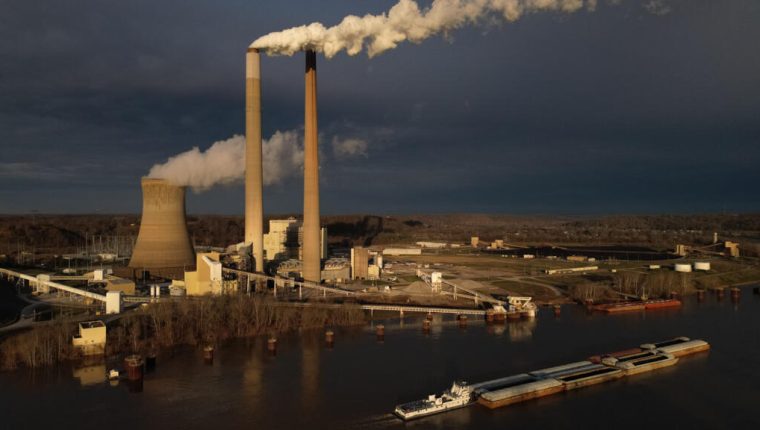
Coal supplied a decisive share of that additional demand. Coal-fired generation jumped by 13%, and its associated emissions increased by 78 million metric tons of CO2. That amount exceeded the net rise for the entire power sector, identifying the fuel’s rebound as the main driver of the annual deterioration.
Natural gas moved in the opposite direction but did not offset coal’s increase. Gas-fired generation fell by 4%, reducing related emissions by 23 million metric tons. The divergence between the two fuels shows that the thermal generation mix mattered as much as overall demand growth: lower gas use coincided with much heavier reliance on the most carbon-intensive fossil fuel.
Renewable output also continued to expand rapidly. Wind generation grew by 3% and solar surged by 34%, partially moderating the emissions increase. Their growth, however, was not large enough to absorb both new consumption and the shift toward coal within fossil generation, allowing substantial clean-energy gains to coexist with a worse climate result.
The report documents a completed annual outcome but does not include a specific corrective policy or an additional timetable for coal-plant retirements. The next test for the power system will be the composition of new supply used to serve growth in data centers, manufacturing and heatwave cooling: if incremental generation again depends on coal, rising wind and solar capacity may remain insufficient to bring total emissions down.