
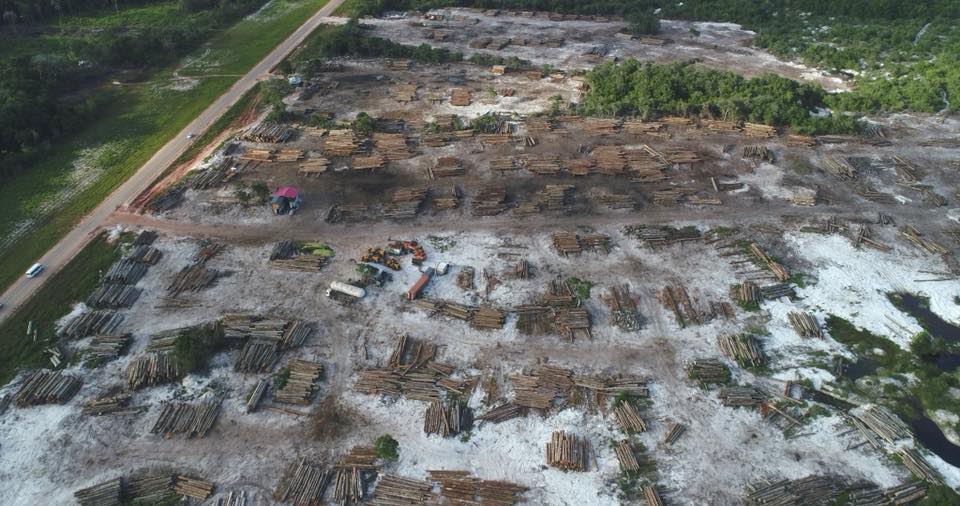
Suriname's government has toughened its response to unauthorized agricultural settlements and forest clearing in the Amazon interior. President Jennifer Geerlings-Simons said people linked to Mennonite communities had received bailiff notices ordering them to leave occupied areas. The notices formally start a process: compliance and any forced removal still require further action.
The administration created a task force supported by three ministries to coordinate land, immigration, security and forest protection. The range of responsibilities reflects the case's complexity: authorities are examining both the legality of occupation and clearing and the immigration status of foreign adults and their families. The president also referred to cases in which children reportedly have Surinamese nationality while their parents lack regular status.
The announced principle is that agriculture should not advance into the country's interior tropical forest. Geerlings-Simons said foreign agricultural projects should be located on the coastal plain, where they would not require the destruction of primary rainforest. Her government has also begun reversing previous-administration decisions that transferred extensive forest areas to the Agriculture Ministry for potential large-scale development.
The dispute has a longer history. In 2024, Suriname canceled a pilot plan that could have allocated about 30,000 hectares to 50 Mennonite families after environmental and procedural objections. Concerns resurfaced in 2026 over visits by Mennonite producers from Belize and families hired by local businesses to grow corn and soy. The current action targets occupations and clearing deemed illegal, not a general ban based on religion or origin.
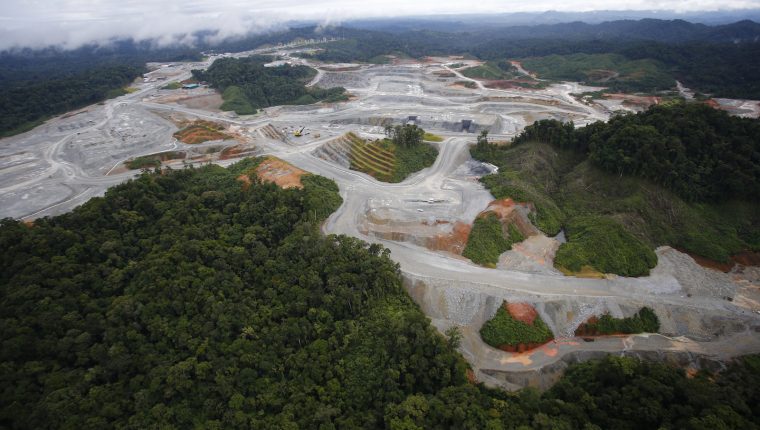
The environmental scale explains the concern. About 93% of Suriname retains forest cover, and the country claims high-forest, low-deforestation status. Mechanized agriculture in primary rainforest could fragment habitat, increase fire and agrochemical risks and undermine revenue tied to carbon credits. These threats would add to existing pressure from gold mining and illegal logging.
Territorial governance also affects Indigenous peoples and Maroon communities, whose collective rights over traditional lands still lack full domestic recognition despite international rulings. Any recovery or reassignment of land must distinguish ownership, concessions and occupation while ensuring information, consultation and due process. Halting illegal clearing is compatible with those rights only if enforcement does not create new arbitrary actions.
The next milestones are to establish who complies with the notices, how much forest was cleared, which permits were absent and what penalties or restoration will be required. The government must also clarify the future of inherited contracts and land transfers. For now, there is a political decision and an active procedure; there is no public final tally of completed removals, recovered forest or definitively assigned responsibility.