

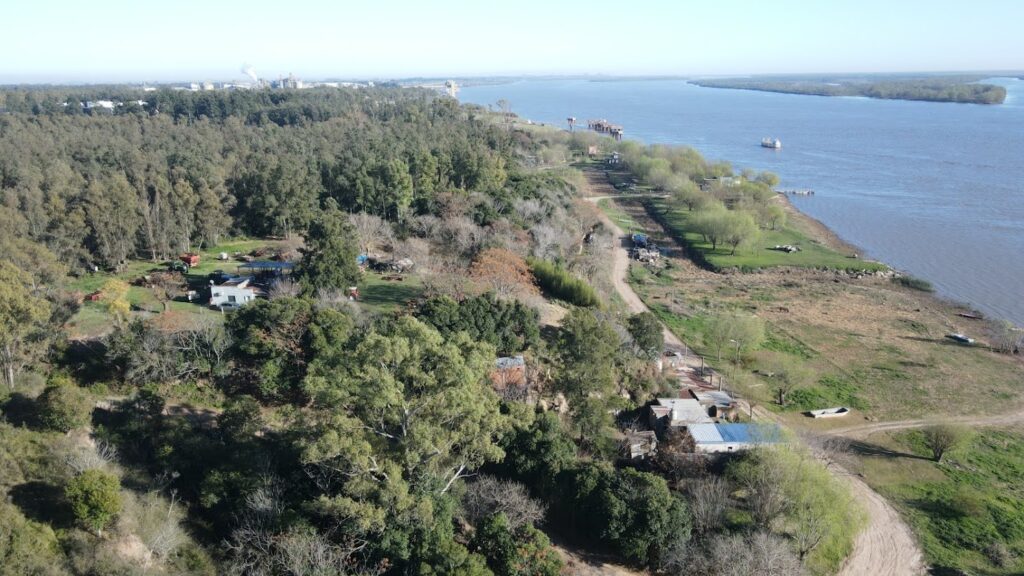
A survey by the Buenos Aires Province Environment Ministry has added technical information to the dispute over a proposed multipurpose port at Costa Pobre in Ramallo. Environmental lawyer Fabián Maggi says the report confirms that the site has characteristics already recorded under the province's land-use framework as red-category native forest.
The assessment recognizes heritage value, identifies plant and animal species, and covers bluff, natural levee and riverbank environments. It also provides for an environmental improvement plan for the area. These elements describe the site's sensitivity and offer a technical basis for debating which interventions could be compatible with protection, but the survey is not itself a court judgment.
Maggi argues that the document will directly affect two ongoing tracks: a civil case seeking to prevent the port permanently and a criminal proceeding over alleged failure to perform public duties attributed to Mayor Mauro Poletti. That allegation remains subject to investigation. The report may become evidence, but it does not establish criminal responsibility.
The lawyer questioned why the project began to be announced before, according to his account, it had been submitted to provincial authorities. He said residents had never seen a concrete port proposal and recalled that the rules require a public hearing. He also stated that no project documents had been filed with the environmental authority when the injunction was issued.
The precautionary measure prevented work from advancing over the area identified as native forest. Its role was to preserve existing conditions while the underlying dispute was examined. The claimant now seeks to turn that injunction into a final ruling, a stage in which the report, applicable regulations and submissions from every party will have to be assessed.
The case contains two dimensions that should not be confused: the environmental characterization of the land and the port's legal viability. Recognition of forest, species and landscape units raises the requirements for information, assessment and participation. The decision to prohibit, modify or authorize the project, however, belongs to administrative and judicial processes rather than to one litigant's interpretation.
Maggi estimated that proceedings could take about six months, but that is his forecast, not a court-confirmed timetable. The decisive next steps are the report's formal inclusion in the case files, public access to the actual proposal, a possible hearing and a decision on the merits. The quality and transparency of that information will determine whether environmental prevention and due process move forward together.