
A record heatwave spread across the Korean Peninsula and prompted South Korea to expand its emergency response. Yangsan in the southeast recorded 42.5°C on August 2, the highest temperature in 122 years of national observations, after breaking the country's record on each of the previous two days.
The event, initially concentrated in southeastern South Korea, moved toward the Seoul metropolitan area and western regions. The Korea Meteorological Administration issued its first severe heat warning for parts of Seoul and neighboring Gyeonggi Province, while keeping the highest alert level in Busan, Ulsan, South Gyeongsang and parts of Gwangju and South Jeolla.
The health impact was already measurable. The Korea Disease Control and Prevention Agency reported 14 deaths and 1,889 heat-related illnesses since mid-May. Tropical nights, which prevent physical recovery, and the expected persistence of high temperatures increase risks for older adults, outdoor workers, people with chronic illness and households without adequate cooling.
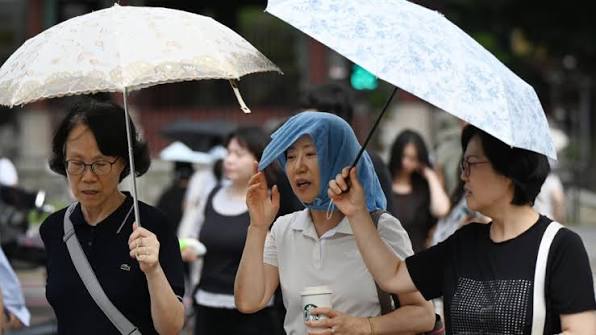
The government raised the national heatwave alert to the second-highest level. Prime Minister Han Seong-sook ordered ministries and local governments to mobilize resources against the combined risks of heat and drought, unlocking additional funding and more frequent inspections. Seoul districts expanded cooling shelters and distributed water and sun umbrellas, while Yangsan increased street spraying and water supplies.
The emergency also reached infrastructure and everyday life. Power authorities activated special measures because air-conditioning use could push electricity demand to a record by late August. The professional baseball organization canceled games in Busan and Changwon and left further changes open, showing that workplace and sports protocols must respond to thermal conditions rather than the calendar alone.
North Korea was experiencing the same heat system. State media reported temperatures near 40°C in parts of the country, advisories extending through the week and a fifth consecutive tropical night in Pyongyang. Available information is more limited than in the South, but crowds at water facilities and coastal areas revealed a widespread search for relief on both sides of the border.
A single event requires dedicated attribution studies to quantify climate change's influence, but human-caused warming increases the likelihood and intensity of heat extremes. Immediate action must reduce exposure and mortality; the next level is to adapt housing, power grids, public spaces, health systems and labor rules to warmer nights and records already exceeding historical parameters.